
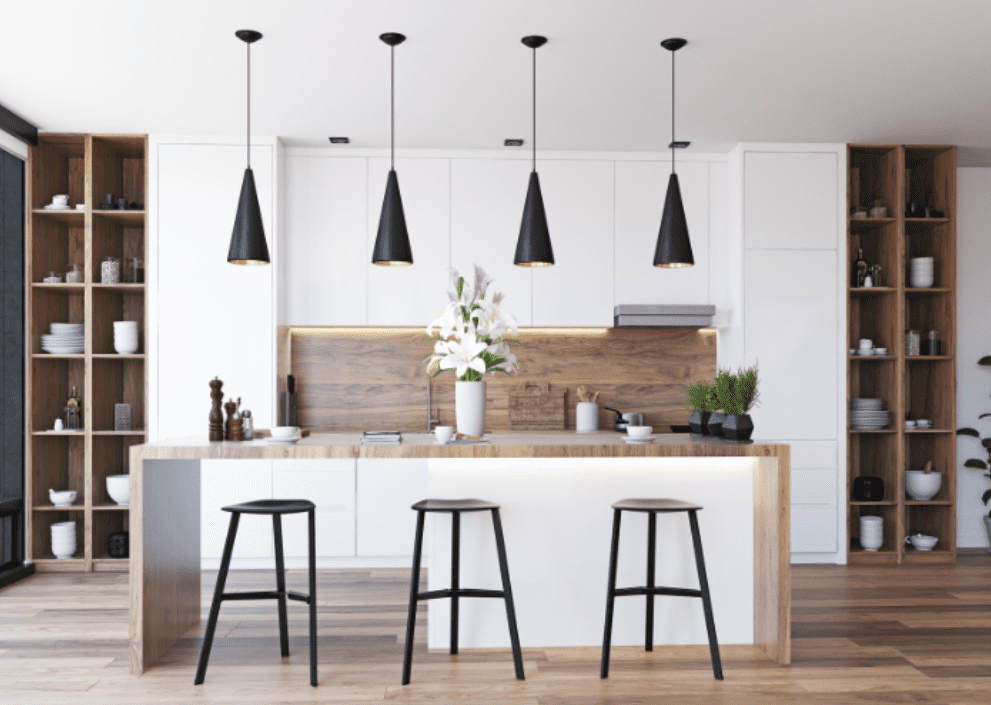
An upcycled kitchen has become a symbol of modern, sustainable living. It’s where reclaimed wood shelves meet vintage tiles, and creativity takes centre stage. For many Millennials and Gen Z homeowners, this style reflects values as much as taste. Behind the charm, however, upcyclers often face a quiet challenge. Older homes bring warmth and history, but they can also hide outdated wiring and inefficient systems. The question becomes how to preserve the soul of an upcycled kitchen while discreetly upgrading how it performs.
This guide explores how to integrate sustainable technology into an upcycled kitchen in a way that feels intentional and visually seamless, without turning a carefully curated space into a showroom of shiny gadgets.
Escaping the “Old House” Performance Trap in an Upcycled Kitchen
Many upcycled kitchens live in older properties with solid brick walls, original timber floors, and charming windows that leak more heat than you’d like to admit. These features often drive up energy bills. The first priority is improving the building fabric itself.
Subtle insulation upgrades, such as internal wall insulation hidden behind cabinetry, can dramatically improve thermal performance without altering the look of your kitchen. Slim window inserts and discreet door seals reduce drafts while preserving original details. Once heat retention improves, every sustainable upgrade works more efficiently. In an upcycled kitchen, performance should quietly support style.
Overcoming the Fear of a DIY Utility Disaster
Upcyclers are confident with tools. Painting cabinets, building shelves, or welding furniture from scrap metal feels approachable. Electricity and energy systems, however, are a different story.
Sustainable technology installed incorrectly can be dangerous. The smartest approach is a clear division of labour. Handle the visible, creative elements yourself, and bring in professionals for electrical, heating, and energy systems. Companies like Cinergi specialise in integrating modern systems into unconventional and older spaces. This hybrid approach keeps you creatively involved while ensuring safety and long-term reliability.
Making Sustainable Technology Invisible in an Upcycled Kitchen
One of the biggest concerns in an upcycled kitchen is visual disruption. A rustic space with exposed brick can feel instantly off-balance when modern controls dominate the walls. The solution is integration, not over-concealment.
Hiding in Plain Sight
Heat pumps can often be housed within reclaimed cupboards using salvaged doors that match the rest of the kitchen. Smart meters and control units can be mounted inside vintage frames or tucked into pantry spaces. The technology remains accessible, but visually it becomes part of the design.
Letting Tech Complement the Aesthetic
In some kitchens, technology benefits from context. Exposed copper pipework can look intentional when paired with repurposed wood and industrial lighting. Battery storage can be concealed inside storage boxes built from leftover materials, avoiding clutter while maintaining functionality. Harmony, not invisibility, is the goal.
Choosing Sustainable Upgrades That Matter Most
Upcyclers tend to balance environmental motivation with realistic budgets. The question isn’t whether to upgrade, but where those upgrades deliver real impact.
Start With Energy Demand Reduction
Reducing energy use should come before investing in generation systems. Energy-efficient lighting is one of the easiest and most cost-effective improvements. Induction hobs are also popular in an upcycled kitchen. They pair well with renewable electricity, are easy to clean, and improve indoor air quality compared to gas.
Solar and Electrical Upgrades
Rooftop solar can offset a significant portion of household electricity when the kitchen is part of a broader renovation. Older homes often need electrical upgrades to handle modern loads safely. Working with specialists like https://cinergi.co.uk, who are familiar with renewable systems ensures solar panels, appliances, and wiring operate together smoothly. Battery storage adds resilience, allowing excess solar energy to be used in the evening and supporting a more independent lifestyle.
Heating and Hot Water Solutions
Replacing an ageing boiler with a compact air-source heat pump can dramatically reduce emissions. In kitchens, underfloor heating beneath tile floors provides even, low-temperature warmth without visible radiators, preserving valuable wall space.
Aligning Ethics, Cost, and Longevity in an Upcycled Kitchen
A sustainable kitchen is a long-term investment. Many upgrades pay for themselves through lower energy bills and increased property value. Ethical homeowners also prioritise durability. Installing systems properly once avoids the waste and cost of repeated replacements. This mirrors the philosophy behind upcycled living itself: fewer items, chosen thoughtfully, and used for longer.
Community, Creativity, and Confidence
The rise of the upcycled kitchen isn’t happening in isolation. Online communities are full of shared solutions and creative workarounds. Seeing how others integrate modern technology into repurposed spaces builds confidence. What unites successful projects is intention. Sustainable technology works best when it respects the existing space.
An Upcycled Kitchen That Reflects Values
The ultimate upcycled kitchen proves that sustainability doesn’t need to look expensive or overdesigned. With efficiency-first thinking, it’s possible to honour the past while building for the future. Quietly integrated technology keeps the space warm, functional, and comfortable without stealing attention from reclaimed materials and personal touches.
Upcycled Kitchen Conclusion
An upcycled kitchen represents a deliberate choice to reduce waste while embracing creativity. For this philosophy to work in everyday life, the space must perform as well as it looks. Energy efficiency strengthens the very qualities that make an upcycled kitchen special. Improved insulation, upgraded appliances, and renewable energy systems enhance comfort while allowing reclaimed materials to remain at the forefront.
Equally important is knowing where creativity ends and expertise begins. The strongest projects combine hands-on DIY with professional engineering. This balance ensures safety, longevity, and peace of mind while preserving complete creative control. Ultimately, the ultimate upcycled kitchen is defined by alignment—where ethics, aesthetics, and performance work together to create a space that feels both deeply human and quietly future-ready.
