
Sustainable home upgrades deliver the greatest impact when they begin with your heating and cooling system. While many homeowners focus on solar panels or new appliances first, an inefficient HVAC system can undermine almost every other improvement.

Improving efficiency doesn’t just lower monthly utility bills. According to government energy data from the U.S. Energy Information Administration, heating and cooling account for the largest share of residential energy use, making HVAC the smartest place to start. It also reduces greenhouse gas emissions, increases indoor comfort, and creates a stronger foundation for future renovations. Better yet, many of these improvements align with the principles of upcycling. Instead of replacing everything at once, you improve what already exists, reduce waste, and invest only where it provides the greatest long-term value.
Why Sustainable Home Upgrades Should Begin With HVAC
Many home improvement projects promise lower energy bills, but few offer the same return as improving your heating and cooling system. Because HVAC equipment works year-round, even modest efficiency gains can produce noticeable savings over time.
An efficient system also supports other upgrades. Better insulation keeps conditioned air where it belongs. High-performance windows reduce the amount of heating and cooling required. Smart thermostats help your system operate only when necessary. Tackling HVAC first means every upgrade that follows performs better.
Perhaps most importantly, improving an existing system where possible reflects an upcycling mindset. Extending the life of equipment through maintenance and targeted repairs often avoids unnecessary replacement while reducing material waste.
Upgrade Your Home Before You Upgrade Your Equipment
Replacing an aging furnace or air conditioner isn’t always the first solution. Many homes lose efficiency because conditioned air escapes through gaps, poor insulation, or leaking ductwork.
Start With A Home Energy Audit
A home energy audit identifies where energy is being wasted so you can prioritize improvements that provide the greatest return. Professional audits often include blower door testing and thermal imaging, but homeowners can also inspect common trouble spots such as attic hatches, window frames, exterior doors, and basement rim joists.
Working with experienced contractors such as Rob’s Air can also help determine whether poor comfort is caused by the HVAC equipment itself or by issues elsewhere in the home.
Seal Air Leaks And Improve Insulation
Air sealing is often one of the most affordable ways to improve efficiency. Adding weatherstripping, sealing gaps around penetrations, and improving attic insulation reduce the workload placed on your HVAC system.
Ductwork deserves equal attention. Leaky ducts can waste a surprising amount of conditioned air before it ever reaches your living space. Fixing those losses often improves comfort without replacing major equipment.
These improvements also support the upcycling philosophy. Instead of discarding working systems, homeowners restore and optimize what they already have before investing in new equipment.
Choose Sustainable Home Upgrades That Deliver Long-Term Savings
Once the home itself has been improved, equipment upgrades become much easier to evaluate.
Consider Heat Pumps And High-Efficiency Systems
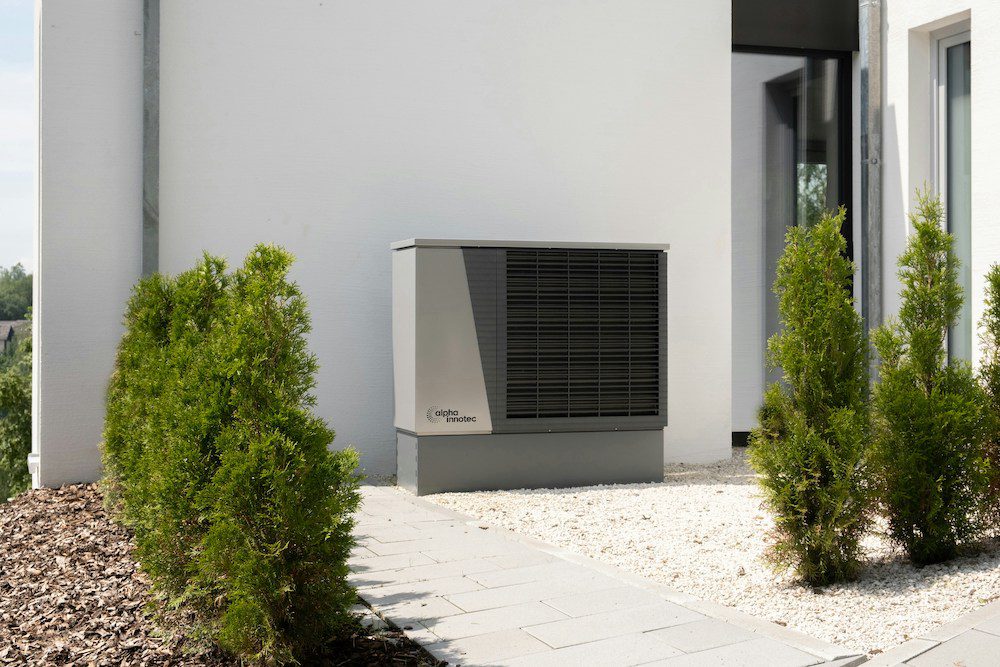
Modern heat pumps have become one of the most efficient heating and cooling options available. Because they transfer heat rather than generate it, they typically consume less energy than traditional systems while providing year-round comfort.
If replacement is necessary, compare efficiency ratings instead of focusing only on purchase price. A slightly higher upfront investment often produces lower operating costs for years to come.
Install Smart Controls
A smart thermostat automatically adjusts temperatures around your schedule, reducing unnecessary heating and cooling while maintaining comfort.
Proper sizing is equally important. Oversized systems short-cycle, wear out faster, and waste energy. Professional load calculations, airflow testing, and smart controls all contribute to keeping your HVAC running sustainably for years to come.
Pair HVAC Improvements With Other Eco-Friendly Projects
After addressing heating and cooling, homeowners can layer additional upgrades for even greater savings.
Some of the most effective projects include:
- Replacing older bulbs with LED lighting.
- Installing ceiling fans to reduce cooling demand.
- Upgrading to energy-efficient windows.
- Replacing outdated water heaters with heat pump models.
- Choosing ENERGY STAR appliances as older units reach the end of their lifespan.
These projects become even more effective because they build on an already efficient HVAC system rather than compensating for an inefficient one.
For Upcycle That readers, this approach reinforces a simple principle: sustainability isn’t always about buying something new. Sometimes it’s about maintaining, repairing, and improving what already exists before replacing it.
Following these eco-conscious improvements around the house in the right order minimizes waste while maximizing comfort and energy savings.
Take Advantage Of Rebates And Incentives for Sustainable Home Upgrades
Many sustainable upgrades qualify for federal tax credits, utility rebates, or manufacturer incentives. Heat pumps, insulation, smart thermostats, and other efficiency improvements frequently receive financial support that reduces upfront costs.
Checking available programs before beginning your project can significantly improve your return on investment and shorten the payback period.
Final Takeaway on Sustainable Home Upgrades
The most effective sustainable home upgrades don’t begin with expensive renovations—they begin by making your home work smarter. Improving HVAC efficiency first reduces energy use, lowers monthly bills, and increases the value of every improvement that follows.
By combining thoughtful maintenance, strategic upgrades, and an upcycling mindset, homeowners can reduce waste while creating healthier, more comfortable living spaces. Start with the systems you already have, improve them where possible, and invest in replacements only when they provide genuine long-term value.
