

A solar water pump offers an easy way to create an attractive outdoor water feature while reducing electricity use. As more homeowners embrace sustainable landscaping, solar-powered fountains have become a practical solution that combines beauty with lower operating costs. Whether you’re upgrading a bird bath, decorative pond, or garden fountain, understanding how these systems work can help you make a smarter investment.
What Is a Solar Water Pump?
A solar water pump is a water circulation system powered by photovoltaic (PV) solar panels rather than a household electrical outlet. The panels convert sunlight into electricity, which powers the pump and keeps water flowing through a fountain, waterfall, or pond.
Unlike traditional electric pumps, solar-powered models rely on renewable energy, eliminating or significantly reducing ongoing electricity costs. Most modern systems are compact, simple to install, and require very little technical knowledge.
How Solar Water Pumps Work
Solar panels collect sunlight and convert it into electricity that powers the pump motor. The pump then circulates water through tubing and nozzles to create decorative sprays, bubbling fountains, or gentle waterfalls.
Some premium models include rechargeable battery storage that captures excess solar energy during the day. This stored power allows the fountain to continue operating during cloudy conditions or for a short period after sunset.
Performance is influenced by several factors, including:
- Daily sunlight exposure
- Solar panel size
- Pump capacity
- Water lift height
- Nozzle design
Positioning the solar panel in direct sunlight has one of the greatest impacts on overall efficiency.
Benefits of Using a Solar Water Pump
One of the biggest advantages of a solar-powered fountain is the reduction in operating costs. Since the pump runs on free solar energy, there are little to no ongoing electricity expenses.
Additional benefits include:
- Reduced household energy consumption
- Lower environmental impact
- Quiet operation
- Minimal maintenance
- Easy installation without underground wiring
- Flexible placement throughout the garden
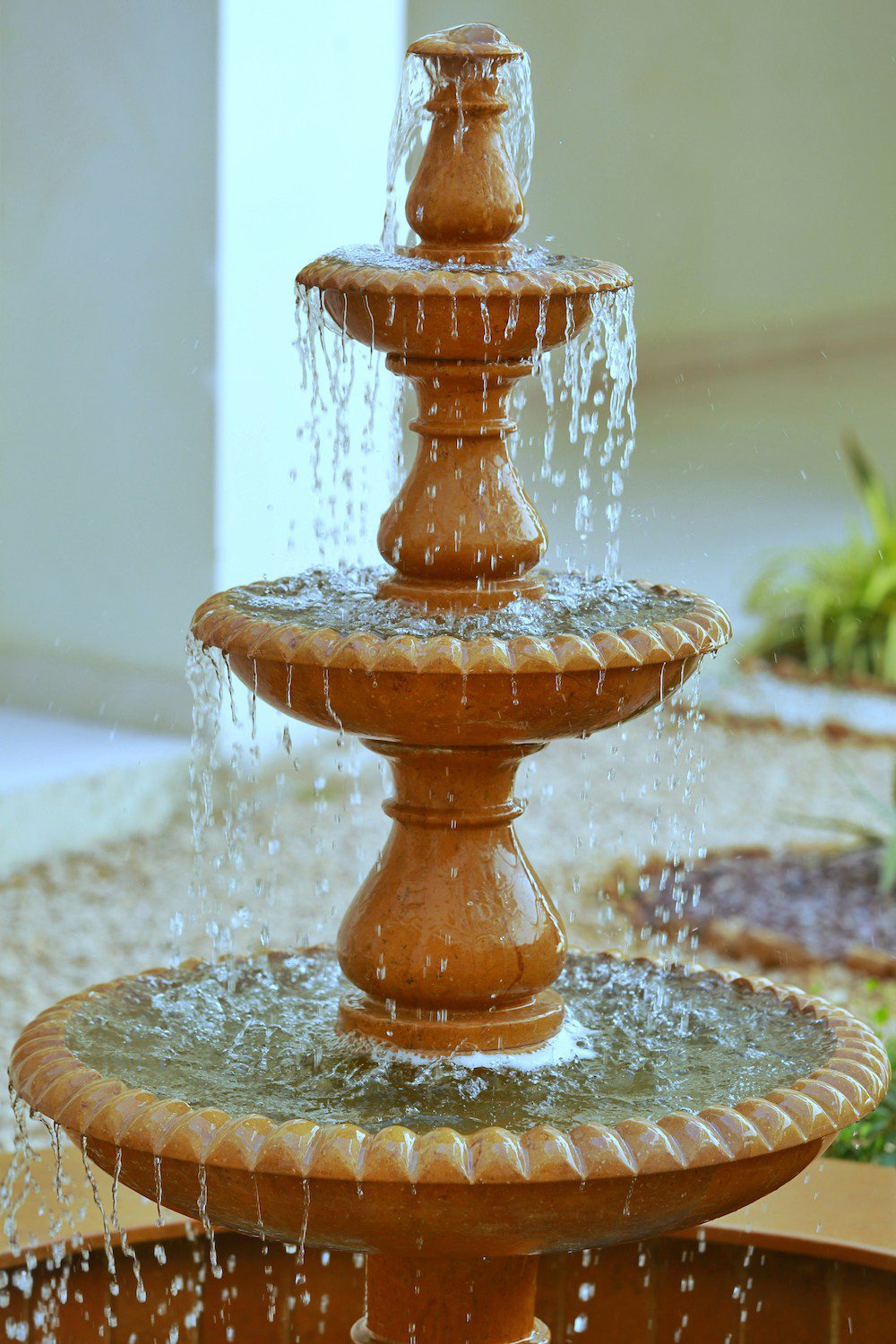
For homeowners looking to install a solar water pump for fountain, these systems make it possible to create beautiful water features even in areas without convenient electrical access.
Why Solar Supports Sustainable Landscaping
Sustainable landscaping focuses on conserving resources while creating attractive outdoor spaces. Solar-powered water features support this goal by replacing grid electricity with clean, renewable energy.
Unlike conventional electric pumps, solar systems generate no direct emissions during operation. They also encourage homeowners to reduce their overall energy use while enjoying the relaxing sights and sounds of moving water.
Choosing renewable energy is a simple step toward creating a more environmentally responsible garden.
Where Solar Water Pumps Work Best
Solar-powered pumps can be used in a wide variety of outdoor settings.
Popular applications include:
- Garden fountains
- Bird baths
- Decorative ponds
- Container water gardens
- Patio water features
- Courtyards
- Small cascading waterfalls
Since no electrical wiring is required, homeowners have far greater flexibility when designing their landscape.
Choosing the Right Solar Water Pump
Selecting the right system depends on the size of your water feature and the effect you want to achieve.
Before purchasing, consider:
- Required flow rate
- Maximum lift height
- Solar panel output
- Battery backup availability
- Daily sunlight exposure
- Fountain spray height
Larger fountains naturally require stronger pumps and larger solar panels to maintain consistent water circulation.
Solar Panel Placement Matters
Even the most efficient pump will struggle if the solar panel receives limited sunlight.
For the best performance:
- Install panels in full sun.
- Avoid shade from trees or buildings.
- Keep the panel clean.
- Position it toward the strongest daily sunlight.
Proper placement helps maintain steady water flow while maximizing energy production.
Upcycle Your Outdoor Space with Solar Water Features
One of the easiest ways to make a garden more sustainable is by combining renewable energy with repurposed materials. Instead of purchasing an entirely new fountain, consider giving old household or garden items a second life.
Large ceramic pots, galvanized tubs, whiskey barrels, vintage bird baths, stone basins, and unused planters can all become beautiful water features with the addition of a small solar pump.
Reusing existing materials reduces waste while adding character to your landscape. Because solar-powered systems don’t require nearby electrical outlets, they can be installed almost anywhere that receives adequate sunlight.
To complete the project, surround your fountain with reclaimed bricks, salvaged timber, recycled gravel, or repurposed edging stones. You could even build a seating area using restored benches or pallet furniture. Combining renewable energy with creative upcycling results in a landscape feature that is both practical and environmentally friendly.
Maintaining a Solar Water Pump
Solar fountain systems require relatively little maintenance, but routine care helps maximize performance and extend their lifespan.
Simple maintenance includes:
- Cleaning the solar panel regularly
- Removing leaves and debris from the pump
- Checking the intake for algae buildup
- Inspecting tubing for blockages
- Maintaining adequate water levels
A few minutes of maintenance every few weeks helps keep the system operating efficiently throughout the year.
Common Challenges
Like any outdoor equipment, solar-powered fountain pumps can experience reduced performance under certain conditions.
The most common challenges include:
- Cloudy weather
- Reduced winter daylight
- Dirty solar panels
- Pump blockages
- Poor panel positioning
Fortunately, most of these issues can be minimized through proper installation, regular cleaning, and selecting equipment that matches your local climate.
Long-Term Value
Although solar fountain systems often cost more upfront than traditional electric pumps, the absence of ongoing electricity costs helps offset the initial investment over time.
Long-term advantages include:
- Lower utility bills
- Minimal maintenance costs
- Flexible installation
- Reduced environmental impact
- Greater energy independence
For homeowners who run their fountains regularly, these savings become increasingly noticeable over several years.
The Future of Solar Fountain Technology
Solar technology continues to improve rapidly. Manufacturers are developing more efficient photovoltaic panels, quieter pump motors, smarter energy management systems, and longer-lasting battery storage.
These innovations allow modern solar pumps to perform better in lower-light conditions while providing more reliable operation throughout the year.
As renewable energy becomes increasingly accessible, solar-powered water features are expected to become an even more common part of sustainable residential landscaping.
Conclusion
A solar water pump provides an attractive, energy-efficient way to bring movement and sound to outdoor spaces. Modern systems are reliable, easy to install, and inexpensive to operate while reducing dependence on household electricity.
When paired with repurposed containers and reclaimed landscaping materials, solar-powered fountains become even more sustainable. Whether you’re transforming an old planter into a bubbling fountain or refreshing a vintage bird bath, combining upcycling with renewable energy creates a unique garden feature that is beautiful, practical, and environmentally responsible.
