
These simple habits to prevent blocked drains can save you from slow sinks, bad smells, and emergency plumbing calls. They are the difference between a calm kitchen and a Sunday night plumbing emergency.
You notice it subtly at first. The sink drains a little slower. There is a faint smell you cannot quite place. The shower leaves a shallow pool around your ankles. Nothing dramatic—just quiet signals that your pipes are asking for help.
Blocked drains almost never start with one reckless moment. They build from everyday routines that feel harmless. Grease from a pan. A handful of rice. A few strands of hair. A “flushable” wipe. Small things, repeated often. When the slowdown keeps returning, BDP Blocked Drain Plumbers often see the same causes behind it, like grease, hair, and roots getting into the system.
The good news? Prevention is far easier than repair.
Simple Habits to Prevent Blocked Drains: The Quiet Culprits
In the kitchen, grease is the silent architect of most clogs. It slides down the drain warm and liquid, then cools and clings to the pipe walls. Over time, it forms a sticky lining that traps food particles and narrows the flow.
Hot water feels like a solution. It is not. At best, it shifts grease farther down before it hardens again. Soap helps slightly, but it cannot undo months of buildup. That is why a drain can seem fine—until it suddenly is not.
Bathrooms have their own repeat offender: hair. Hair binds with soap residue and forms a soft plug. That plug catches more hair. Then it grows. Even the cleanest bathroom is not immune.
The fix is refreshingly simple. A sink strainer. A shower hair screen. Empty them regularly. If you prefer a low-waste option, a fine mesh cut from an old produce bag works as a discreet backup layer. It is a small visual interruption that prevents a much larger one later.
A Better Way to Handle Grease and Food Waste
One of the most effective simple habits to prevent blocked drains is rethinking what belongs in the sink. The EPA warns against sending grease down drains, especially with septic systems.
Keep a small lidded jar under the counter. When cooking, pour cooled grease into it instead of down the drain. Once full, seal and dispose of it. No splatter. No pipe coating. No mystery smells.
Food scraps deserve similar attention. Rice and pasta swell and turn gummy. Coffee grounds settle and compact like wet sand. Eggshells do not dissolve the way many people assume. A garbage disposal can assist, but it is not a free pass. It should support cleanup—not replace mindful scraping.
Create a rhythm instead of relying on products:
- Scrape plates before rinsing.
- Wipe greasy pans while still warm.
- Compost or bin scraps before they reach the sink.
- Rinse lightly rather than flooding.
It is less about restriction and more about intention. Your pipes were designed for water. Treat them accordingly.
Skip the Drama of Chemical Quick Fixes
When a drain slows, the instinct is to reach for something strong and instant. Chemical unblockers promise relief in minutes. However, they often carve a narrow channel through a clog rather than clearing it fully. The rest remains. So the problem returns.
They can also be harsh on aging pipes.
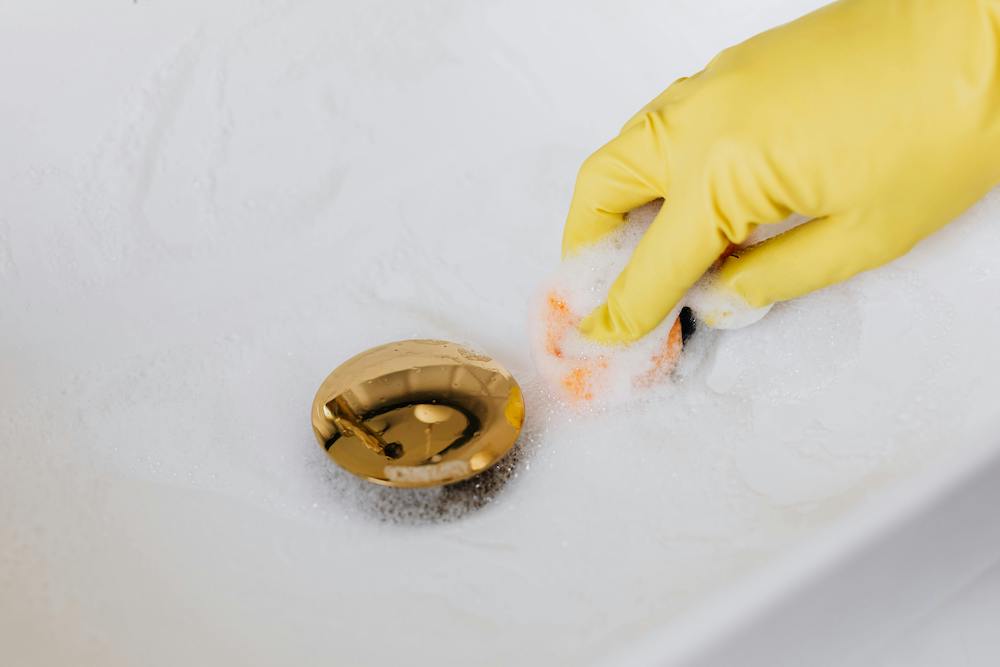
Instead, think in terms of gentle resets. After washing oily dishes, run warm water briefly. After shaving or using heavy soap, flush the sink. Clean the visible drain opening with a small brush and warm soapy water. Surface grime creeps inward if ignored.
When necessary, use a simple hand snake or zip tool. It is not glamorous, but it is honest. You see exactly what is causing the slowdown—and you remove it physically.
If the same drain keeps acting up, take it seriously. Repetition suggests buildup deeper in the line. Addressing it early is far easier than managing a full backup.
Simple Habits to Prevent Blocked Drains Outdoors
Blocked drains are not confined to kitchens and bathrooms. Stormwater systems collect leaves, roof grit, and garden debris. After heavy rain, puddles linger. Gutters overflow. Downpipes gurgle.
Leaves quickly form thick mats when wet. Homes near mature trees feel this first. A seasonal check and clear-out can prevent water from pooling against foundations.
Tree roots are another quiet threat. Roots chase moisture and slip into tiny cracks in aging pipes. Once inside, they trap debris and expand. If outdoor drains back up repeatedly, restriction is likely.
And despite the label, many “flushable” wipes do not break down easily. Wastewater departments warn about them for good reason. The packaging may reassure you. Your plumbing system might disagree.
The Weekly Reset That Keeps Water Moving
Prevention is not about perfection. It is about consistency.
Once a week, take five minutes:
- Empty and rinse sink strainers.
- Clear shower screens.
- Wipe out the grease jar area.
- Remove visible debris from outdoor drains.
- Notice if any sink is draining differently than usual.
In shared households, keep it simple and visible. Habits stick when they feel easy, not punitive.
Ultimately, simple habits to prevent blocked drains are less about plumbing and more about rhythm. When you catch buildup early, you avoid stress later. When you keep water moving the way it was intended to, your home feels lighter—quieter—easier to live in.
And that is worth a few steady habits.
