
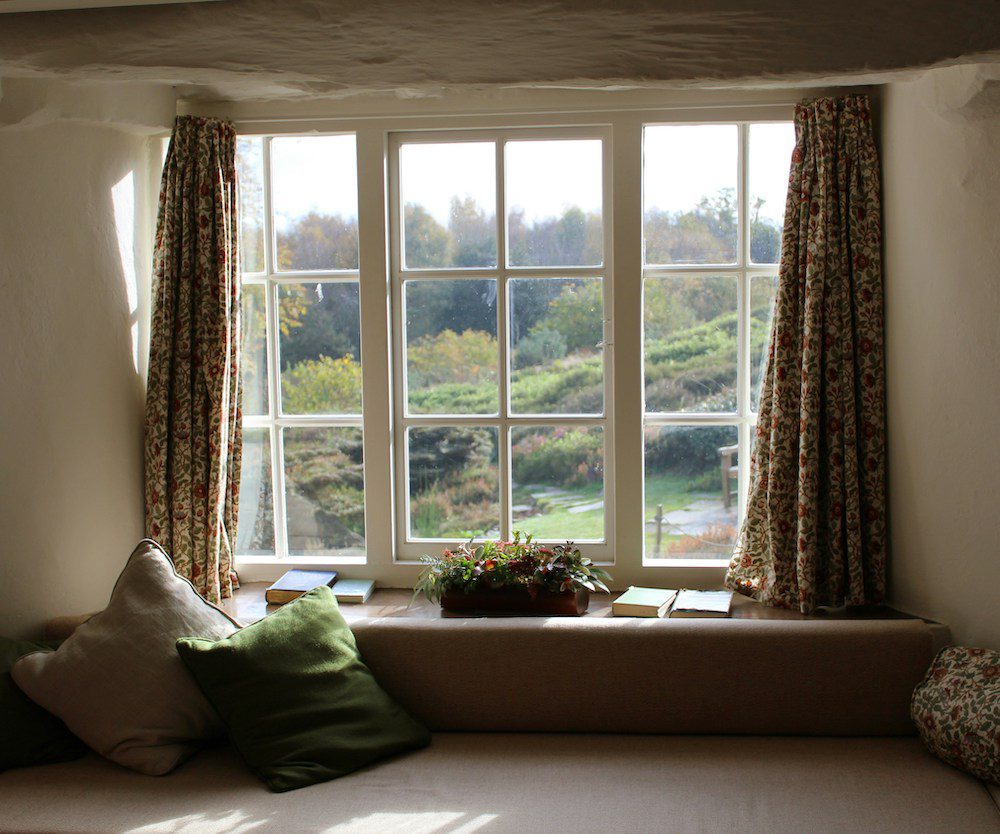
Reducing home energy costs isn’t just about chasing lower utility bills—it’s about creating a home that works better year after year. For homeowners who value sustainability, comfort, and long-term thinking, the most impactful upgrades are often the ones that quietly improve efficiency without demanding constant attention or replacement.
Instead of focusing on surface-level changes, it helps to look at how your home manages heat, airflow, and energy loss. Small inefficiencies compound over time, while smart improvements can pay dividends for decades.
Why Reducing Home Energy Costs Starts with Heat Control
One of the biggest contributors to high energy bills is heat loss in winter and heat gain in summer. When a home struggles to hold a stable indoor temperature, heating and cooling systems are forced to work harder than necessary.
From a sustainability standpoint, this isn’t just expensive—it’s inefficient. Energy that escapes the home has to be replaced, often repeatedly, which increases consumption and wear on existing systems. Improving how your home retains heat and manages temperature is one of the most effective ways to reduce home energy costs without adding complexity.
Making Existing Materials Work Harder Before Replacing Them
An upcycled mindset starts with asking what can be improved rather than replaced. In many homes, energy loss comes from aging seals, poorly insulated frames, or gaps that have developed slowly over time.
Addressing these weak points—through resealing, adding secondary layers, or improving surrounding insulation—can significantly improve efficiency while extending the life of materials already in place. These changes often deliver noticeable comfort improvements without generating unnecessary waste.
Not every solution needs to be new to be effective.
When Window Upgrades Help Reduce Home Energy Costs Long-Term
There are times when materials have reached the end of their useful life. Old or damaged windows can allow consistent heat transfer, drafts, and condensation, all of which contribute to higher energy use.
In these cases, upgrading to modern energy-efficient windows becomes a long-term efficiency decision rather than a cosmetic one. Well-designed windows help stabilize indoor temperatures, meaning heating and cooling systems cycle less frequently. Over time, this can meaningfully reduce home energy costs while also improving daily comfort.
The key is viewing replacement as a durability upgrade—not a trend-driven renovation.
Choosing Energy-Efficient Windows with a Sustainability Lens
Not all efficiency upgrades need to aim for the highest specification available. The most sustainable choice is often the one that matches your climate and usage realistically.
Double-glazed windows may be sufficient for moderate climates, while colder regions may benefit from additional glazing or low-emissivity coatings that reflect heat back into the home. The most crucial benefit of energy-smart windows in Oklahoma is their energy efficiency. These windows can help to lower utility bills by decreasing the need for heating and cooling. Selecting the right option helps avoid overbuilding while still delivering meaningful energy savings.
Durability matters here too. Choosing well-made windows that will last decades reduces the likelihood of future replacements, which supports both environmental and financial sustainability.
Installation Quality Matters More Than You Think
Even the most efficient materials can underperform if they aren’t installed correctly. Poor installation can lead to air leaks, moisture issues, and reduced insulation performance, undermining the goal to reduce home energy costs.
Professional installation helps ensure windows function as intended and integrate properly with existing structures. While DIY solutions can be appealing, long-term efficiency depends on airtight seals and correct alignment—details that directly affect performance.
Maintaining Efficiency Over Time
Energy efficiency isn’t a one-time achievement. Regular maintenance helps preserve performance and extend the life of your upgrades.
Simple practices like cleaning frames, checking seals, and addressing small issues early can prevent energy loss from creeping back in. These small acts of care align well with a sustainability mindset: maintaining what you have instead of replacing it prematurely.
A Quieter, More Comfortable Home as a Side Benefit
Reducing energy loss often brings unexpected benefits. Improved window performance can also reduce outside noise, creating a calmer indoor environment—especially valuable in urban or high-traffic areas.
This kind of comfort upgrade doesn’t rely on additional materials or technology. It’s a byproduct of a home functioning more efficiently, which is exactly the goal of sustainable design.
Reducing Home Energy Costs Is a Long-Game Decision
Choosing to reduce home energy costs through smarter upgrades is less about instant savings and more about long-term value. Homes that manage energy well are more comfortable, require less intervention, and place fewer demands on both systems and resources.
By prioritizing efficiency, durability, and thoughtful improvement, homeowners can create spaces that feel better to live in—while quietly paying them back year after year.
