
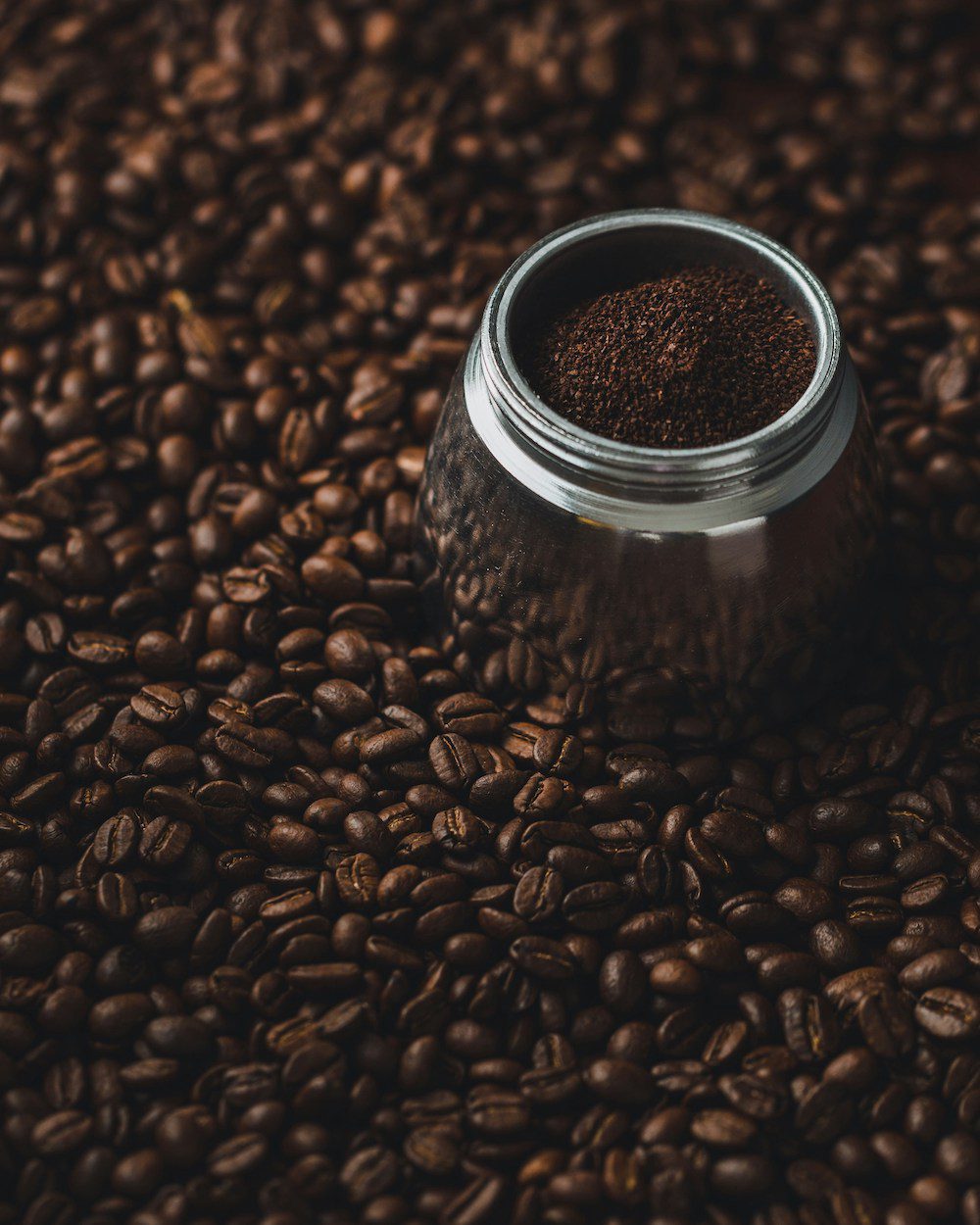
If you’re looking for a simple way to upcycle coffee grounds, don’t throw yesterday’s brew into the bin just yet. Used coffee grounds are packed with nutrients that can improve your soil, reduce waste, and help your garden thrive with very little effort.
Picture this: you’ve just finished your morning brew and you’re about to tip those grounds straight into the bin. Hold on. What you’re about to throw away is one of the best things you can give your garden. Coffee grounds are free, nutrient-dense, and sitting right in your kitchen. Instead of adding to landfill waste, they can transform your soil, boost plant growth, and keep garden pests at bay.
Why Upcycle Coffee Grounds in Your Garden
The science here is straightforward. Spent coffee grounds contain around 1–2% nitrogen, which is essential for plant growth and soil health. Beyond nitrogen, they’re packed with trace minerals like potassium, phosphorus, magnesium, and calcium.
When coffee grounds break down in soil, soil microorganisms feed on them, releasing compounds that bind soil particles into stable, well-draining aggregates. This improves soil structure, increases water retention, and creates the kind of environment where plants thrive.
There’s a common myth that coffee grounds are acidic and will damage your soil, but the truth is far less dramatic. After brewing, spent grounds sit at around pH 6.5 to 6.8, which is nearly neutral. Any temporary pH shift is too minor to meaningfully acidify soil for acid-loving plants like blueberries or azaleas.
Connect Your Coffee Reuse to Broader Garden Projects
If you’re serious about reducing waste in your garden, coffee grounds are just one piece of the puzzle. Incorporating them into a larger composting and upcycling strategy multiplies their impact. By layering the grounds with other organic materials, you’re building a closed-loop system where nothing goes to waste. This is just one example of upcycled garden projects that can turn kitchen scraps, fallen leaves, and yard waste into garden gold.
Application Methods: How to Upcycle Coffee Grounds
Coffee grounds work in several different ways depending on your setup. Pick the method that fits your garden best.
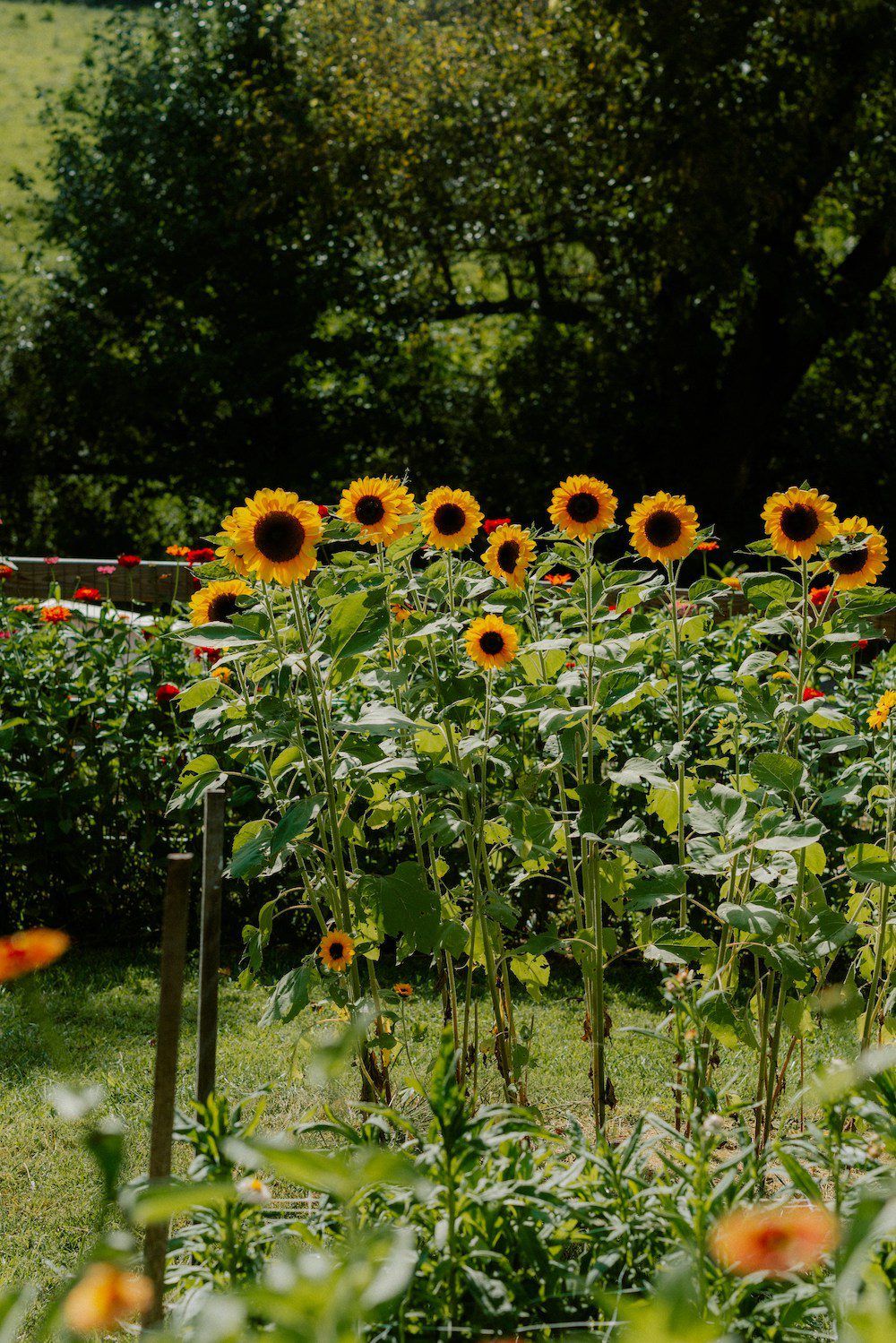
Direct Application to Soil
Work about half an inch of dried grounds into the top four inches of soil. This works best in autumn so the grounds can break down over winter before spring planting.
The key is moderation. Fresh grounds applied directly can temporarily tie up nitrogen as microbes break them down, which might cause temporary yellowing in some plants. Mixing them with nitrogen-rich materials like grass clippings or aged manure balances this out.
Composting
Coffee grounds are excellent compost activators. They’re considered a “green” material (nitrogen-rich), so pair them with “brown” materials like dried leaves, shredded cardboard, or straw.
Here’s where most people stumble: if you dump all your grounds in one spot, they compact into a dense mass that blocks airflow and slows everything down. Mozzo, an ethical speciality coffee roaster, offers guidance on reusing coffee grounds, showing you how to layer properly throughout the pile and avoid compaction.
When you mix as you go, aim for no more than 20% grounds in your overall compost volume, turn regularly, and within a few months you’ll have dark, crumbly compost ready to enrich your beds.
Pest Deterrent
Slugs and snails dislike caffeine. Sprinkle dried grounds around vulnerable plants, and they’ll often move elsewhere. This works best as a preventative rather than once damage has already started. Reapply after rain or every few weeks during the growing season for consistent protection.
Brewing a Grounds “Tea”
Soak used grounds in water overnight, then use the resulting liquid to water acid-loving plants or those needing a gentle nutrient boost. This is gentler than direct application and releases nutrients more gradually. The “tea” also works well as a mild foliage spray for plants needing a quick nutrient boost without root stress.
Best Practices
According to research from Oregon State University Extension, coffee grounds boost soil health by improving drainage and feeding beneficial soil microbes, though they shouldn’t be your only nitrogen source. Old Farmer’s Almanac also notes that composted grounds are most effective; never apply fresh grounds directly to seedlings or very young plants, particularly tomatoes.
The most common mistakes are easy to avoid if you follow a few key principles:
- Use coffee grounds as a supplement rather than your primary fertiliser.
- Spread them thinly and mix them with other organic materials.
- Test your soil pH before adding grounds to determine your baseline.
Close the Loop with Upcycle Coffee Grounds
Your used coffee grounds represent a small but meaningful shift in how you approach gardening waste. Instead of seeing them as rubbish, you’re capturing a free resource that improves soil, reduces your need for purchased fertilisers, and keeps organic matter out of landfills.
Start small. Collect grounds from one week and work them into a single bed. Watch what happens. Once you see the difference, you’ll be saving every handful.
