
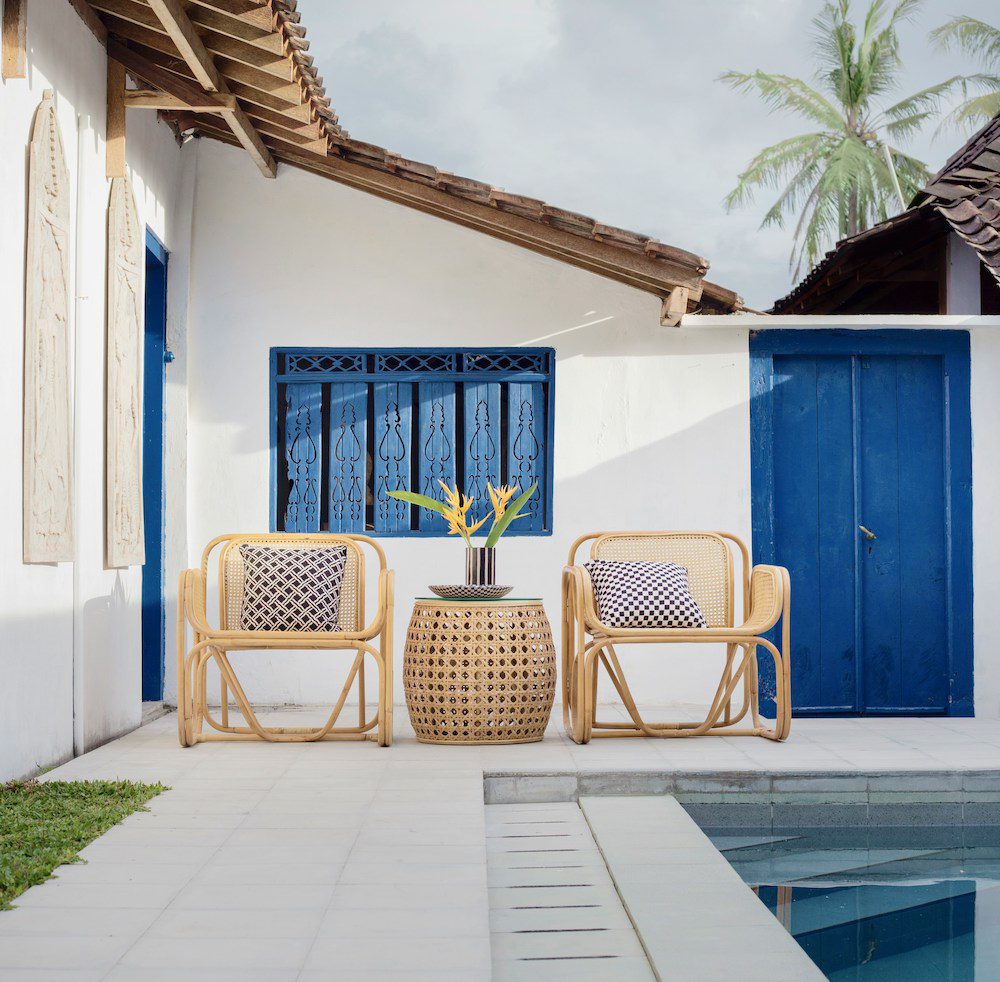
If you want to know how to make outdoor furniture last, the answer isn’t buying better patio sets every few years. It’s learning how to protect, repair, and upgrade what you already own.
Most outdoor furniture doesn’t fail because of extreme weather. It fails because it was never maintained. Sun dries out wood. Rain invites rust. Cushions trap moisture. Wicker loosens. And suddenly something that could have lasted another decade ends up on the curb.
Replacing patio furniture every few years isn’t just expensive. It creates unnecessary waste. The smarter approach is reinforcement, restoration, and small seasonal upgrades.
Here’s how to make outdoor furniture last using practical, upcycle-friendly strategies.
Consider Weather-Resistant Materials
If you want your outdoor furniture to last, picking furniture made of durable material is a must. Stainless steel and aluminum withstand rust and fading, making them suitable for humid or coastal areas. Teak and eucalyptus contain natural oils that resist moisture, helping prevent rot and insect damage. Unlike natural wicker, synthetic wicker resists cracking and fading, allowing it to maintain its appearance even after prolonged sun exposure. When exploring premium collections such as Forshaw St. Louis outdoor furniture, homeowners often prioritize these weather-resistant materials to ensure long-lasting performance and style.
How to Make Outdoor Furniture Last by Weatherproofing Wood Yourself
Wood furniture is often discarded far too early. Fading, surface cracks, and dryness don’t mean it’s done. They mean it needs sealing.
Start by lightly sanding the surface to remove flaking finish and open the grain. Then protect it properly:
- Apply a marine-grade sealant in rainy climates.
- Use exterior oil like teak oil on hardwoods.
- Choose UV-protective outdoor finishes in sun-heavy areas.
Re-oiling once or twice per year prevents deep splitting and water damage. A dull, tired bench can look brand new in a single afternoon.
Protection is cheaper than replacement.
Turning Rusted Metal Into a Modern Matte Finish
Surface rust scares people into replacing perfectly solid furniture. But cosmetic rust is fixable.
Remove loose rust with a wire brush or sanding block. Apply a rust converter to neutralize corrosion. Then repaint using an exterior metal spray in matte black, charcoal, or olive.
Matte finishes don’t just hide imperfections. They elevate the look. What once felt dated suddenly feels intentional and modern.
You didn’t replace it. You refined it.
How to Make Outdoor Furniture Last by Re-Wrapping Old Wicker
Wicker furniture often gets tossed when strands crack or loosen. But in many cases, the frame underneath is still strong.
If the structure is stable, you can:
- Replace damaged sections with new synthetic wicker strands.
- Tighten loose areas using outdoor-grade rattan.
- Reinforce weak spots instead of discarding the entire piece.
Re-wrapping takes patience, but it transforms tired furniture into something custom and refreshed. It also keeps bulky frames out of landfill.
How to Make Outdoor Furniture Last by Replacing Foam Instead of Tossing Cushions
Outdoor cushions are one of the biggest sources of seasonal waste. The fabric fades. The foam traps moisture. And the whole set gets thrown out.
Instead of replacing everything, replace the insert.
High-density, quick-drying outdoor foam can be cut to size and inserted into existing covers. If the covers are worn but the shape works, consider sewing new slipcovers or having a local upholsterer refresh them.
The frame is rarely the problem. It’s the padding.
Upgrading the interior can make a five-year-old set feel brand new.
Removable Covers for Seasonal Refreshes
One of the simplest ways to extend the life of outdoor furniture is to make it adaptable.
Removable covers allow you to:
- Swap lighter summer fabrics for thicker fall textures.
- Wash and store covers during heavy rain months.
- Protect cushions without sealing them in plastic.
Canvas drop cloths, outdoor fabric remnants, and even repurposed tablecloths can become simple protective layers. Seasonal refreshes don’t require new furniture. They require flexible layers.
Adaptation prevents premature wear.
The Bigger Shift: Maintenance Over Replacement
Learning how to make outdoor furniture last is ultimately about mindset. We’ve been trained to treat patio pieces as temporary. But most materials are capable of far more longevity than we assume.
Before replacing anything, ask:
Is the structure solid?
Can this be sealed, painted, tightened, or reinforced?
Is the issue cosmetic or structural?
Often, a few hours of effort saves years of waste.
Outdoor furniture that lasts isn’t about buying the most expensive set. It’s about choosing to maintain what you already own.
