
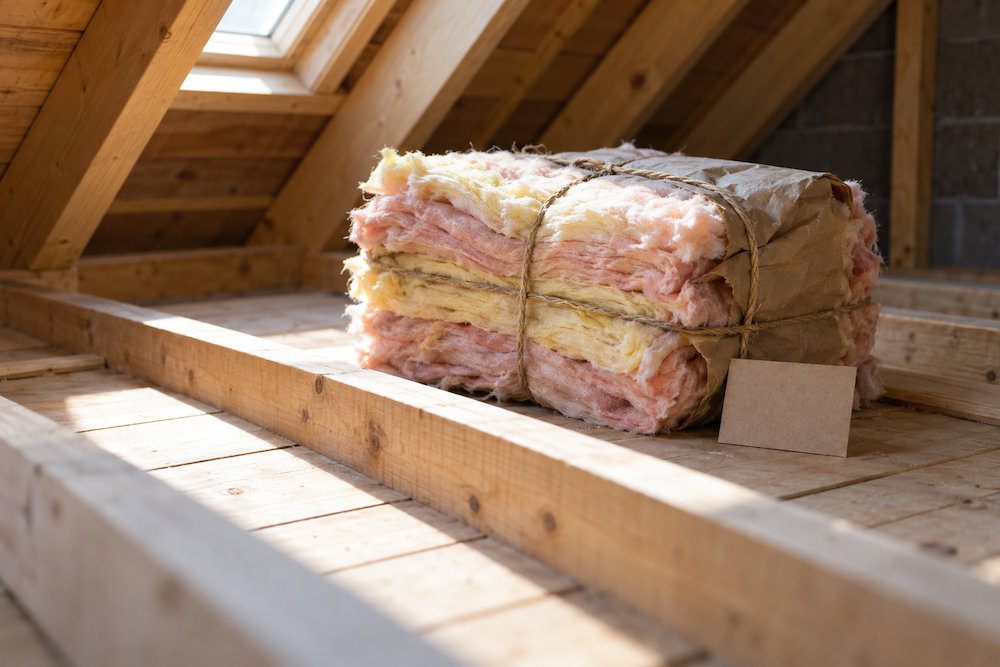
Upcycled insulation can turn leftover building supplies into something more useful than another forgotten pile in the garage. A few unopened packs from a finished project might help improve another home’s comfort instead of becoming waste. But insulation is not like a decorative offcut you can repurpose by eye. Its identity, condition and suitability matter just as much as its price.
The opportunity is to keep useful material in circulation without compromising the building. For anyone researching loft insulation, that means starting with the space and its requirements, then finding products that fit. It does not mean collecting miscellaneous leftovers and hoping they perform alike. The most resourceful choice is the one that works safely and lasts.
Understand What Upcycled Insulation Really Means
The term covers materials with very different histories. Unused surplus stock has not been installed, while recovered insulation has already served in a building. Clean installation offcuts form another category, provided their product details remain identifiable. Insulation manufactured from recycled fibers is different again: it is a new product made with recovered ingredients. These distinctions help you ask better questions before accepting a bargain.
Strictly speaking, using surplus insulation for its original purpose is reuse rather than transformation into a new product. It still shares the resourceful thinking behind upcycling: recognizing value in something another project no longer needs. Keep that environmental aim tied to practical requirements. A material should earn its place because it suits the job, not simply because it is available.
Start with identifiable surplus products rather than insulation removed from an unknown building. Retained packaging can help establish the manufacturer, intended application and declared performance. Nevertheless, an unopened pack is not automatic approval for your loft. Storage damage, unsuitable specifications or missing information can still make it the wrong purchase.
Check the Building Before Choosing Materials
A cold loft and a room built into the roof need different insulation strategies. Insulating the loft floor generally keeps heat within the rooms below. Insulating at roof level involves a different construction arrangement and moisture assessment. Do not treat spaces between ceiling joists and roof rafters as interchangeable places to tuck spare material. Establish the appropriate approach before buying anything.
Existing leaks, damp and ventilation problems need attention first. Adding insulation changes temperatures within the roof space, so moisture management belongs in the plan. Keep intended ventilation routes clear and get professional advice if the existing arrangement is uncertain. Insulation cannot substitute for repairing a leaking roof.
Electrical equipment, recessed lights, pipes, tanks and access requirements also affect the work. Ask a qualified electrician about cables and fittings that insulation might surround or cover. Do not improvise clearances around heat-producing equipment. If unidentified older materials may contain asbestos, stop and obtain qualified advice before disturbing them. A tidy appearance is not proof that a material is safe.
Source Upcycled Insulation With a Clear History
Ask the seller for the product name, packaging photographs, dimensions and the quantity available. Establish whether it is unused surplus or previously installed material. Find out where it has been stored and whether it has encountered water, pests or contamination. Request the relevant technical information before arranging collection. If the history remains vague, leave it behind.
Reject material with contamination, persistent dampness, pest damage or deterioration. Do not assume drying a damaged product restores its original performance. Equally, do not assume every compressed pack is defective: some products arrive factory-compressed and recover according to manufacturer instructions. The question is whether that particular material remains suitable for installation. Obtain manufacturer or competent installer confirmation where there is doubt.
Work out how much usable coverage the stock actually provides. Numerous small scraps may take more effort to fit than their purchase price suggests. Transport, missing product information and additional installation work also belong in the calculation. Our recent renovation budget guide explains why the full project cost matters more than the apparent bargain.
Plan Continuous Coverage, Not a Patchwork Experiment
A successful installation follows a specification rather than the shapes of whatever offcuts happen to be available. Record the area, existing insulation and proposed build-up before ordering. Similar thickness does not mean different products provide equal thermal resistance. Facings, moisture behavior and fire performance also affect compatibility. Ask an installer or supplier to confirm the proposed combination.
Aim to avoid gaps, overlaps, or thin spots caused by poor fitting within a specified layer. That does not prohibit deliberate multilayer arrangements designed for the roof or loft. The linked government guidance concerns rooms in roofs, so it should not become a universal DIY layout for every attic. Follow the details applicable to your building and product.
Do not stuff small scraps into ventilation openings or compress insulation to make storage boards fit. Plan safe access and suitable storage arrangements alongside the insulation. Follow product instructions for cutting, handling and protective equipment rather than relying on a generic dust mask. Where the installation is complex or its condition uncertain, professional help is part of responsible reuse.
Make Upcycled Insulation a Lasting Improvement
Keep photographs of product labels, receipts and the installation specification with your home-maintenance records. Note which materials went where, particularly if several batches were used. This information helps future tradespeople understand the arrangement. It also gives you a clearer record than a loft full of unidentified leftovers.
Be realistic about results. Energy savings depend on the existing building, the completed installation, heating habits and other factors; reused material alone guarantees nothing. The aim is not to accept poor performance as the price of sustainability. It is to find suitable surplus products that meet the project’s requirements.
Good reuse is selective. Keep sound existing materials where appropriate, reject questionable stock and buy new components when the job requires them. A smaller, well-planned project can be more worthwhile than an ambitious patchwork of unsuitable supplies. The real achievement is a more comfortable home with fewer resources wasted along the way.
