
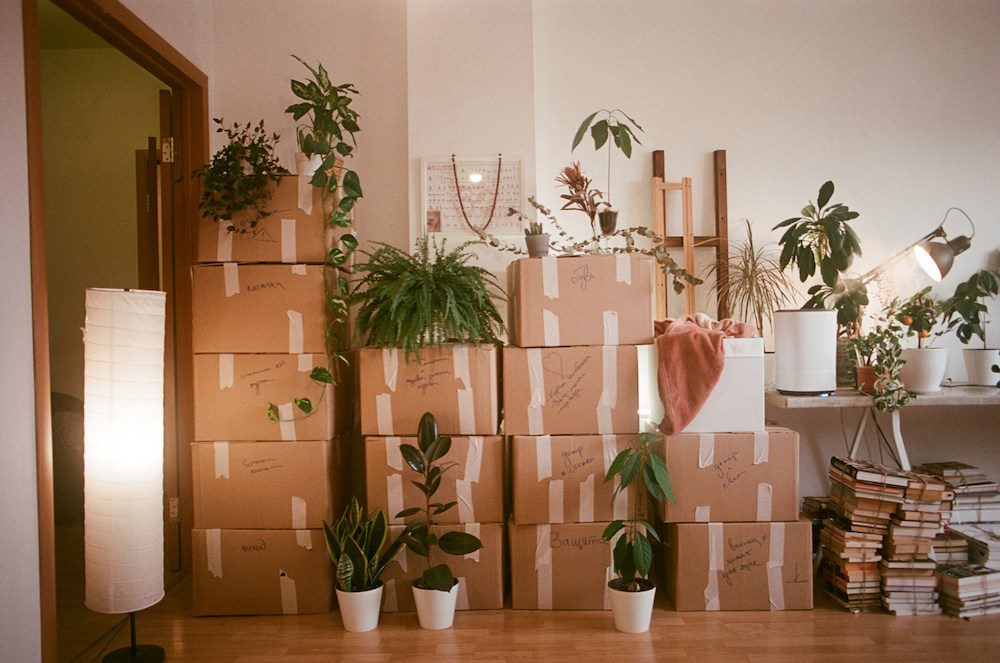
How to save money when moving is about much more than finding the cheapest truck or comparing hourly rates. One of the biggest opportunities to reduce moving expenses comes from moving less, planning ahead, and treating relocation as a chance to reset your home. Instead of paying to transport years of accumulated belongings, you can use the experience to simplify your space, reduce waste, and create a home that better supports the life you want to live.
Why How To Save Money When Moving Starts With Decluttering
Every item you bring with you adds time, effort, and expense.
More boxes require more packing materials. More furniture means more labor. More belongings create more work before, during, and after the move.
Before packing begins, take time to sort through:
- Closets.
- Kitchen cabinets.
- Storage bins.
- Decorative accessories.
- Old paperwork.
- Electronics.
- Furniture that no longer fits your lifestyle.
Ask yourself a simple question: “Would I buy this again today?”
If the answer is no, moving may be the perfect opportunity to donate, sell, recycle, or repurpose it.
In many ways, relocation is the ultimate form of upcycling because it allows you to intentionally decide what deserves a place in your next chapter.
Reuse What You Already Have
Packing supplies can become surprisingly expensive.
Fortunately, many households already contain excellent alternatives to cardboard boxes and bubble wrap.
Consider using:
- Suitcases.
- Laundry baskets.
- Storage bins.
- Tote bags.
- Towels and blankets for cushioning.
- Shoe boxes and delivery boxes.
Not only does this save money, but it also gives existing materials another life before they are discarded.
Small choices like these reduce waste and embody the spirit of upcycling.
How To Save Money When Moving By Planning Ahead
Last-minute moves almost always cost more.
When time runs short, people often end up:
- Purchasing unnecessary supplies.
- Paying premium rates.
- Renting storage units they do not need.
- Throwing away usable items out of convenience.
Breaking the process into manageable stages makes everything easier.
For example:
- Week one: Declutter and organize.
- Week two: Gather supplies.
- Week three: Pack non-essential items.
- Week four: Prepare essentials and finalize logistics.
Starting early provides flexibility and helps prevent expensive surprises.
Sell What You No Longer Need
Moving can also be an opportunity to earn a little extra money.
Furniture, decor, tools, exercise equipment, and household items that no longer suit your needs may still have value to someone else.
Consider:
- Facebook Marketplace.
- Local community groups.
- Garage sales.
- Consignment stores.
Even modest sales can help offset moving costs.
Better yet, giving useful items a second life keeps them out of landfills and extends their usefulness. That is what upcycling is all about.
How To Save Money When Moving By Understanding What Really Drives Costs
Many people assume moving costs are based entirely on the size of a home. In reality, access, inventory, stairs, parking, and scheduling often play a much larger role.
Before requesting quotes, it helps to understand the factors that influence labor hours and truck requirements. Tools such as an hourly moving cost calculator for Twin Cities households can provide a useful starting point for estimating expenses and identifying how things like stairs, carry distance, or extra stops may affect the total. While these calculators cannot replace a detailed quote, they can help homeowners make more informed decisions.
No matter where you live, the same principle applies. The less unnecessary clutter you move and the better prepared you are, the easier it becomes to control costs.
How To Save Money When Moving Through Smarter Packing
Organization saves both time and money.
Clearly labeled boxes help movers work more efficiently and make unpacking significantly easier.
Instead of writing vague descriptions, try labels like:
- Kitchen – Daily Use.
- Bathroom – Open First.
- Office – Important Documents.
- Bedroom – Bedding.
- Living Room – Decor.
You should also prepare an essentials box containing toiletries, medications, chargers, snacks, and important paperwork. Having these items easily accessible makes the first night in your new home much less stressful.
Spend Wisely Instead Of Simply Spending Less
Trying to do absolutely everything yourself does not always lead to savings.
Heavy furniture, awkward staircases, and fragile items can quickly turn into damaged belongings or costly injuries.
The goal is not to spend as little as possible. It is to spend intentionally.
Sometimes paying for help in the right areas creates better value and significantly reduces stress.
Your New Home Is A Chance To Start Fresh
Relocation affects much more than your address. It gives you the opportunity to rethink how you live.
You can create better storage systems, simplify your possessions, and design spaces that support your current lifestyle instead of hanging on to habits from the past.
Because how to save money when moving is not really about chasing the lowest price. It is about moving forward with intention, bringing only what truly matters, and creating a home that feels lighter, more functional, and easier to maintain.
Sometimes the greatest savings come from realizing you do not need to bring everything with you.
