
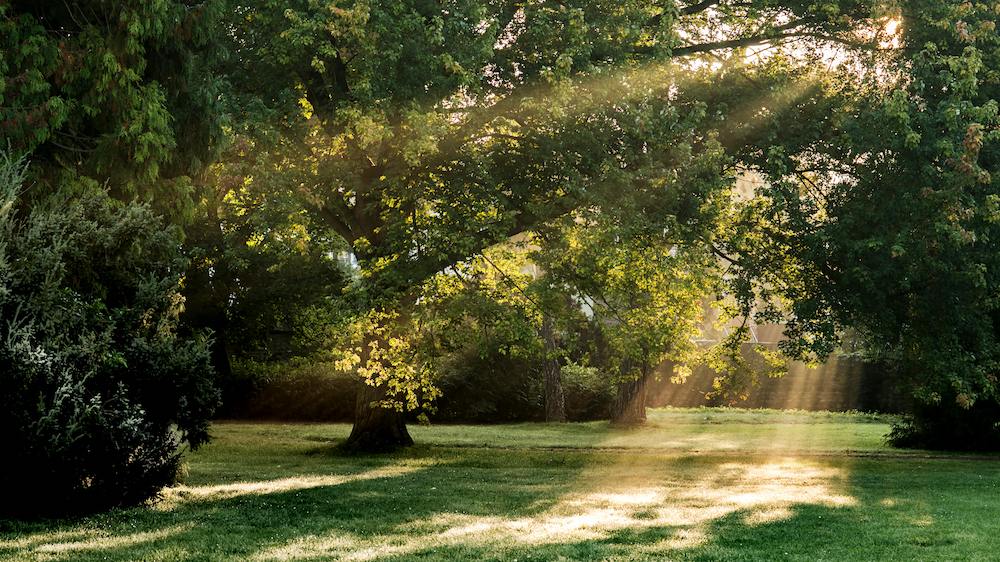
Sustainable lawn care starts with understanding that healthy grass depends on far more than regular watering alone. Many homeowners assume dry patches or thinning grass simply need more water, but lawn health is actually shaped by everything happening beneath the surface. Soil quality, drainage, mowing habits, grass type, and long-term maintenance routines all play a major role in creating a lawn that stays healthy without constant intervention.
In warm and humid climates, especially, overwatering can often create more problems than it solves. A truly resilient lawn is built through smarter habits that support stronger roots, healthier soil, and more balanced growing conditions over time. Instead of chasing quick fixes, homeowners are increasingly focusing on sustainable lawn care practices that reduce waste while creating greener, more durable outdoor spaces.
Choosing Grass That Fits the Environment
One of the most overlooked parts of lawn care is selecting a grass variety that actually suits the property’s conditions. A lawn that thrives in full sun may struggle badly in shaded areas, while heavy foot traffic, poor drainage, or sandy soil can weaken certain grass types surprisingly quickly.
Many homeowners choose sod based purely on appearance without considering how it will perform long term. This often leads to patchy growth, thinning areas, and higher maintenance demands later. In warmer climates, grass varieties like St. Augustine and Zoysia are often chosen because they tolerate heat well and establish strong root systems when maintained properly.
This is why the professional sod installers Pinellas County residents trust usually evaluate shade, drainage, and lawn usage before recommending a specific type of sod. That extra planning helps create a lawn that naturally performs better with fewer ongoing issues and less wasted water.
Why Overwatering Weakens Lawns
One of the biggest misconceptions about lawn care is that more water automatically creates healthier grass. In reality, overwatering often weakens lawns by preventing roots from growing deeper into the soil.
When grass receives shallow daily watering, the roots stay close to the surface where they become more vulnerable to heat stress and drought conditions. Constant moisture can also increase the risk of fungus, disease, pests, and soft unhealthy soil.
Most established lawns perform better with deeper watering a few times per week rather than frequent light watering. Allowing the soil to dry slightly between watering sessions encourages roots to grow stronger and more resilient over time.
Sustainable lawn care focuses on working with the natural environment rather than constantly fighting against it. Paying attention to rainfall, humidity, and soil moisture helps homeowners avoid unnecessary watering while supporting healthier grass growth overall.
Small Mowing Habits Make a Big Difference
Many lawn problems begin with mowing habits that slowly create stress throughout the yard. Cutting grass too short is especially common because homeowners often want to mow less frequently. Unfortunately, shorter grass exposes the soil to more heat and causes moisture to evaporate faster.
Longer grass blades help shade the soil, retain moisture, and support healthier root systems. Consistent mowing at the proper height usually creates thicker, more durable lawns over time.
Sharp mower blades also matter far more than many people realize. Dull blades tear the grass instead of cutting it cleanly, which creates a rough appearance and increases vulnerability to disease and heat damage.
Simple maintenance habits like adjusting mower height, sharpening blades regularly, and avoiding extreme cuts can significantly improve lawn health without requiring additional products or treatments.
Healthy Soil Creates Healthier Grass
A lawn can only become as healthy as the soil supporting it. Compacted soil, poor drainage, and nutrient imbalances all make it harder for roots to spread and absorb what they need.
Drainage problems are particularly common in areas with heavy rain or uneven ground. Standing water slowly weakens roots by reducing airflow beneath the surface, often leading to muddy patches, fungus growth, and thinning grass.
Improving drainage and soil structure usually creates better long-term results than simply adding more fertilizer or seed. Aerating compacted areas, correcting low spots, and adding organic matter can help lawns absorb water more evenly while supporting stronger root growth.
Healthy soil also reduces the need for excessive watering because it retains moisture more effectively and encourages deeper root systems naturally.
Sustainable Lawn Care Is About Consistency
The healthiest lawns are rarely the result of one dramatic treatment or expensive product. More often, they come from small consistent habits repeated over time.
Simple routines like cleaning up excess debris, adjusting watering schedules seasonally, checking sprinkler coverage, and mowing properly all contribute to a healthier outdoor space. These habits reduce stress on the lawn while minimizing unnecessary water use and chemical dependency.
Sustainable lawn care also encourages homeowners to work with their environment instead of trying to force unrealistic results. A lawn designed around local climate conditions, proper drainage, and realistic maintenance expectations will almost always outperform one that relies heavily on constant intervention.
Sustainable Lawn Care – Creating a Lawn That Lasts
A beautiful lawn is not simply about achieving the brightest shade of green. It is about creating an outdoor space that remains healthy, resilient, and manageable throughout changing weather conditions and everyday use.
When homeowners focus on sustainable lawn care practices, they often end up with grass that requires less water, fewer repairs, and less ongoing frustration overall. Strong roots, healthy soil, thoughtful mowing habits, and the right grass selection all work together to create a lawn that stays greener naturally over time.
Instead of constantly chasing quick fixes, sustainable lawn care encourages a smarter, more balanced approach that benefits both the property and the environment long term.
