
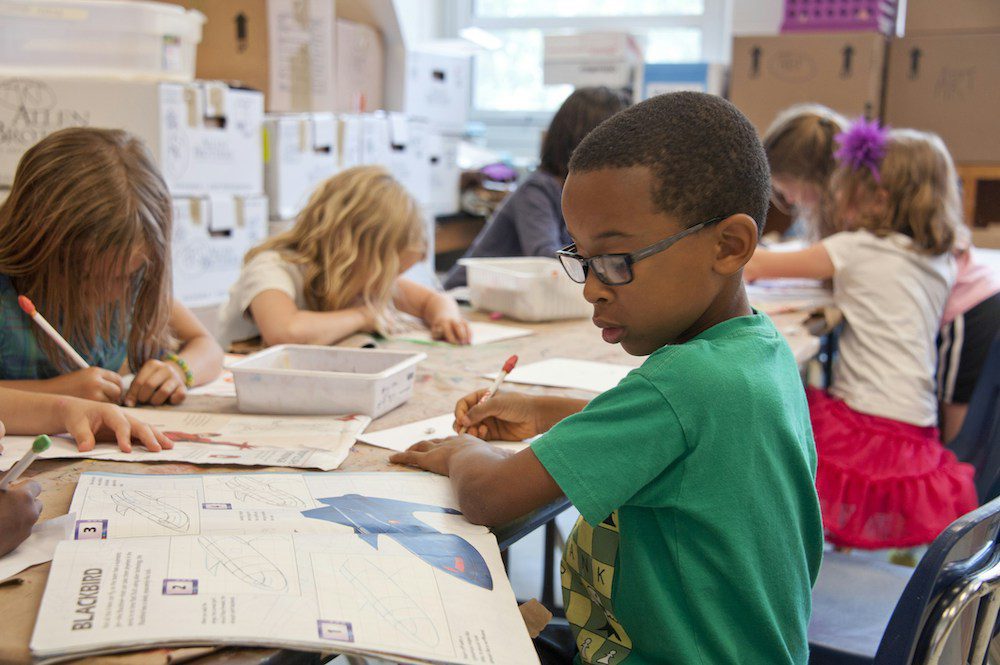
Creative classroom ideas can completely transform how students engage with learning, collaboration, and communication throughout the school day. Modern classrooms are no longer limited to rows of desks and rigid layouts. Instead, many educators are embracing flexible seating, DIY organization systems, collaborative work zones, and adaptable learning environments that help students feel more involved and inspired. Even small classroom updates can create a more welcoming atmosphere that encourages creativity, movement, and participation. By combining thoughtful design with practical functionality, teachers can create spaces that support a wide range of learning styles while making the classroom experience more engaging for everyone.
Why Creative Classroom Ideas Matter
The physical environment of a classroom has a major influence on student focus, confidence, and participation. A space that feels rigid or uninspiring can make it harder for students to stay engaged during lessons. On the other hand, classrooms that incorporate creative classroom structures that encourage collaboration and active participation often feel more energizing and collaborative.
Creative classroom ideas are not only about aesthetics. They also help students interact more naturally with both teachers and classmates. Flexible layouts can encourage discussion, independent learning, and group collaboration without making the classroom feel chaotic. Even simple changes like adding movable seating, creating quiet reading corners, or incorporating DIY storage solutions can improve the overall learning experience.
Modern learning spaces are increasingly designed to support participation rather than passive observation. When students feel comfortable in their environment, they are often more willing to ask questions, contribute ideas, and engage with classroom activities. These school fundraising ideas also stand out because they feel purposeful and encourage students to engage with their fundraising efforts and learn real life skills like communication, teamwork, budgeting, leadership, and creative problem-solving while building a stronger sense of community around their school.
Creative Classroom Ideas With Flexible Seating
One of the most popular creative classroom ideas is incorporating flexible seating options. Traditional desk arrangements may work for some activities, but they can feel limiting during collaborative projects or interactive lessons. Flexible seating allows students to move more naturally between independent work and group participation.
This does not necessarily require expensive furniture upgrades. Many classrooms incorporate affordable and DIY-friendly seating solutions such as floor cushions, repainted thrifted chairs, lightweight stools, rolling carts, or modular tables that can easily be rearranged throughout the day. Some teachers also create relaxed reading corners using secondhand rugs, beanbags, or repurposed shelving.
Giving students more freedom to choose where and how they work can help improve focus and participation. Flexible classroom layouts also make it easier for teachers to adapt the room based on different lesson plans and learning activities.
DIY-Friendly Creative Classroom Ideas for Organization
An organized classroom creates a calmer and more productive learning environment. However, classroom storage systems can become expensive quickly, especially when trying to accommodate art supplies, books, technology, and learning materials.
Many educators are turning to DIY classroom organization ideas that combine functionality with creativity. Repurposed baskets, labeled jars, rolling utility carts, reclaimed wood shelves, and upcycled containers can all help create a more organized and visually appealing classroom without significantly increasing costs.
Creating clearly defined spaces for supplies, reading materials, and student work also encourages independence. Students can navigate the classroom more easily when materials are accessible and thoughtfully organized. This reduces unnecessary interruptions and helps maintain classroom flow throughout the day.
DIY-friendly organization systems also allow teachers to personalize their classrooms while incorporating more sustainable design choices.
Creative Classroom Ideas That Encourage Collaboration
Modern classrooms are placing greater emphasis on collaboration and communication. Instead of relying entirely on lecture-style instruction, many educators are designing spaces that encourage students to work together more naturally. Resources discussing creative classroom structures that encourage collaboration and active participation can provide practical insights into how schools are redesigning learning experiences to better support student engagement and long-term development.
Collaborative learning areas can include group tables, brainstorming walls, movable whiteboards, or small breakout zones where students can discuss ideas and complete projects together. Even in smaller classrooms, flexible furniture arrangements can help create spaces that feel more interactive and community-oriented.
Creative classroom ideas that support collaboration often improve participation because students feel more actively involved in the learning process. Group discussions, peer learning, and shared creative activities can help students develop confidence while strengthening communication skills.
Adding visual inspiration can also make collaborative spaces feel more inviting. Cork walls, rotating student artwork, indoor plants, and calming color palettes can help create an environment that feels both functional and motivating.
Modern Learning Environments That Support Different Learning Styles
Every student learns differently. Some students thrive during hands-on activities, while others prefer visual instruction, quiet reading, or verbal discussion. Modern classrooms are increasingly designed to support multiple learning styles within a single space.
Creative classroom ideas often focus on creating adaptable learning zones that allow students to engage with material in different ways. For example, a classroom may include a collaborative project table, an independent reading nook, a technology station, and an interactive discussion area all within the same environment.
This flexibility allows students to move between different styles of learning throughout the day rather than remaining in one static setup for every activity. It also helps teachers provide more personalized support based on student needs and engagement levels.
Incorporating technology thoughtfully can further improve classroom flexibility. Interactive displays, digital learning tools, and multimedia resources can help students engage with lessons more actively while supporting independent learning opportunities. For students who need more one-on-one attention with reading, working with an online reading tutor outside school hours is one way to extend that personalized support.
Sustainable and Budget-Friendly Classroom Design
Many creative classroom ideas can also support sustainability and budget-conscious design. Teachers and schools are increasingly exploring ways to create engaging classrooms without constantly purchasing brand-new furniture and decor.
Thrifted storage pieces, repainted furniture, reclaimed materials, and DIY decor projects can all help create unique classroom environments while reducing waste. Simple upgrades such as refreshing old bookshelves with paint, using repurposed containers for supplies, or incorporating secondhand furniture can make a classroom feel more creative and personalized.
Indoor plants are another affordable way to improve classroom atmosphere. Adding greenery can help soften the space while making the environment feel calmer and more welcoming. Natural textures, warm lighting, and multi-purpose furniture can also contribute to a more comfortable learning environment without requiring major renovations.
Sustainable classroom design encourages educators to think creatively about how spaces are used and adapted over time.
How Creative Classroom Ideas Build Student Confidence
Students are more likely to participate when they feel comfortable, supported, and included within the classroom environment. Creative classroom ideas can help reduce the pressure often associated with rigid learning spaces by encouraging movement, collaboration, and self-expression.
Interactive learning environments allow students to engage more naturally with lessons and classmates. Small design changes, such as flexible seating, collaborative zones, or visually inspiring decor, can help students feel more connected to the classroom experience.
Creative spaces also encourage curiosity and exploration. When students feel inspired by their environment, they are often more motivated to contribute ideas, participate in discussions, and take ownership of their learning process.
Teachers benefit from these environments as well because interactive classrooms often provide better opportunities for observation, collaboration, and personalized support.
Conclusion
Creative classroom ideas are helping educators design learning environments that feel more engaging, flexible, and supportive for students with different learning styles and needs. From DIY organization systems and collaborative learning zones to flexible seating and sustainable classroom design, modern classrooms are evolving to encourage greater participation and creativity.
Thoughtful classroom design does not always require large budgets or major renovations. Small, intentional updates can significantly improve how students interact with both the space and the learning process itself. By combining creativity, adaptability, and functionality, educators can create classrooms that inspire collaboration, confidence, and meaningful engagement every day.
