
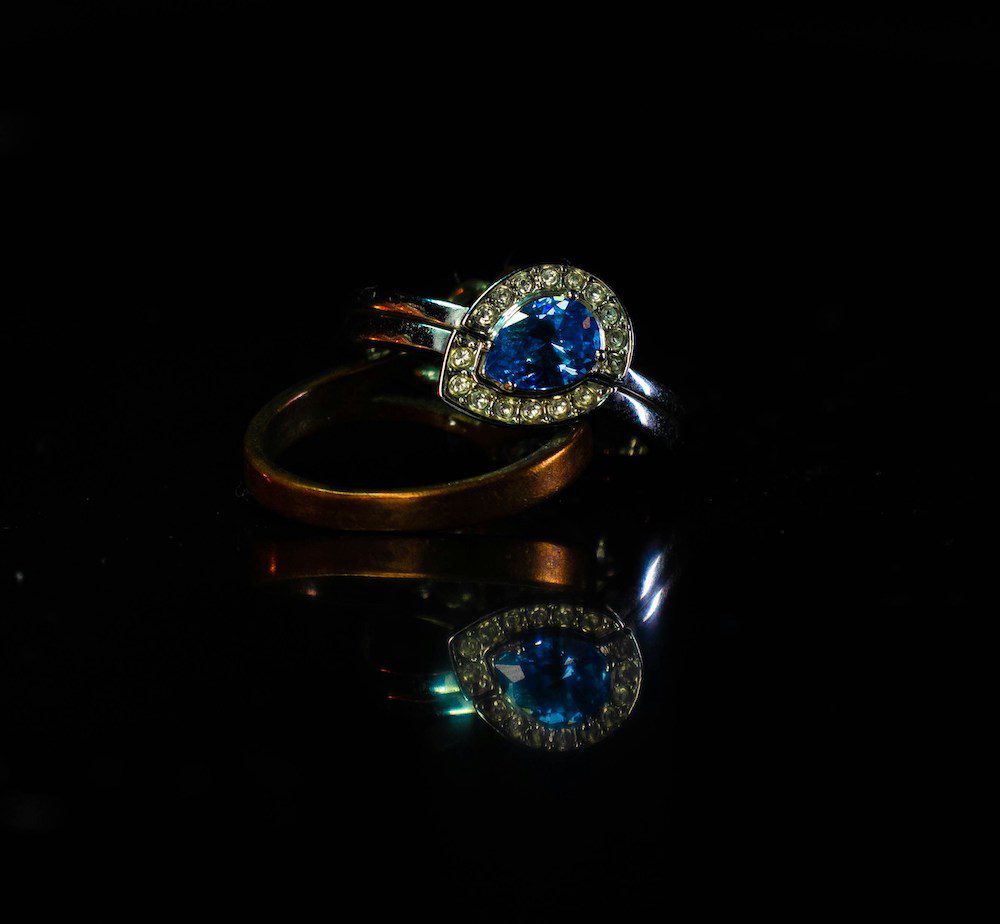
Luxury jewelry resale is more than a financial decision — it’s a sustainability choice. High-end jewelry is crafted to last for generations, using precious metals and stones that carry significant environmental and material value. When approached thoughtfully, luxury jewelry resale supports the circular economy by extending product life cycles and reducing the need for new extraction.
Before you list a piece or accept an offer, here are seven smart moves that protect both your value and the planet.
1. Do Understand the True Lifecycle Value of Your Piece
Fine jewelry is not just gold weight. It embodies design, craftsmanship, heritage, and embedded resources.
In a circular economy, the goal is to preserve the highest form of value for as long as possible. Melting a well-designed piece prematurely reduces it to raw material and erases the artistry invested in it.
Before moving forward with luxury jewelry resale, ask:
- Is this being evaluated as scrap or as design?
- Does the buyer specialize in high-end resale?
- Is the brand value being considered?
The right positioning protects both craftsmanship and resale value. Research brand trends and resale behavior to stay informed and maximize value when you sell Tiffany jewelry.
2. Do Gather Documentation and Provenance
Traceability strengthens circular systems. Documentation builds confidence and preserves continuity between owners.
Collect:
- Original boxes and packaging
- Receipts or purchase confirmations
- Certificates of authenticity
- Service or repair records
If you plan to sell Tiffany jewelry or another branded piece, provenance becomes even more important due to the prevalence of counterfeits.
In luxury jewelry resale, transparency reduces friction and increases trust. That trust sustains the entire resale ecosystem.
3. Do Compare Platforms in Luxury Jewelry Resale
Not all resale channels operate the same way.
Some platforms:
- Auction pieces to collectors
- Authenticate and curate inventory
- Focus primarily on gold buyback
Understanding where your piece belongs matters. Comparing offers isn’t about chasing the highest number — it’s about ensuring your jewelry enters the right circular pathway. Market research shows that the second‑hand luxury market continues growing, and online platforms have taken approximately half of all resale operations, and authentication systems have come to be much more important in terms of trust and costs.
Strategic placement supports responsible redistribution rather than quick liquidation.
4. Do Invest in Authentication and Presentation
Authentication is infrastructure. It protects buyers, sellers, and the reputation of resale markets.
Professional cleaning, polishing, and verification can dramatically change how a piece performs in luxury jewelry resale. A well-presented piece communicates care and continuity.
Circular systems rely on trust. Authentication keeps that trust intact.
5. Do Prioritize Credible Buyers Over Fast Cash
Quick cash offers often prioritize speed over stewardship. Some buyers melt pieces immediately, removing them from wearable circulation.
Instead, seek platforms or buyers who:
- Specialize in luxury resale
- Maintain transparent valuation methods
- Provide written documentation
- Preserve design integrity
When jewelry remains wearable and appreciated, it continues its lifecycle rather than returning to raw material form.
That’s circular thinking in action.
6. Do Consider Timing and Market Awareness for Luxury Jewelry Resale
Luxury demand fluctuates. Collections move in and out of popularity. Certain archival designs regain attention through fashion cycles or media exposure.
Entering luxury jewelry resale with awareness helps avoid undervaluation. While no one can perfectly time the market, understanding demand patterns protects long-term value.
Responsible resale is informed resale.
7. Do Explore Repair, Redesign, or Upcycling Before Resale
This is where the Upcycle That philosophy comes in.
Before committing to luxury jewelry resale, consider whether the piece could be:
- Professionally repaired
- Cleaned and restored
- Reset with new stones
- Combined with other pieces
- Transformed into a modern design
Upcycling fine jewelry can extend its life even further. A broken chain can become layered bracelets. A dated setting can be redesigned into a minimalist pendant. Heirloom stones can anchor contemporary pieces.
Resale is one circular option. Redesign is another.
Sometimes the most sustainable choice is keeping materials in your own ecosystem — just in a new form.
Luxury Jewelry Resale Conclusion
Luxury jewelry resale plays an important role in the circular economy when approached with intention. These pieces were never designed to be disposable. They were created to endure.
By understanding lifecycle value, preserving provenance, choosing credible platforms, and considering upcycled redesign before resale, you protect both embedded resources and craftsmanship.
In a sustainable system, luxury doesn’t disappear. It circulates, evolves, and continues its story — responsibly.
