
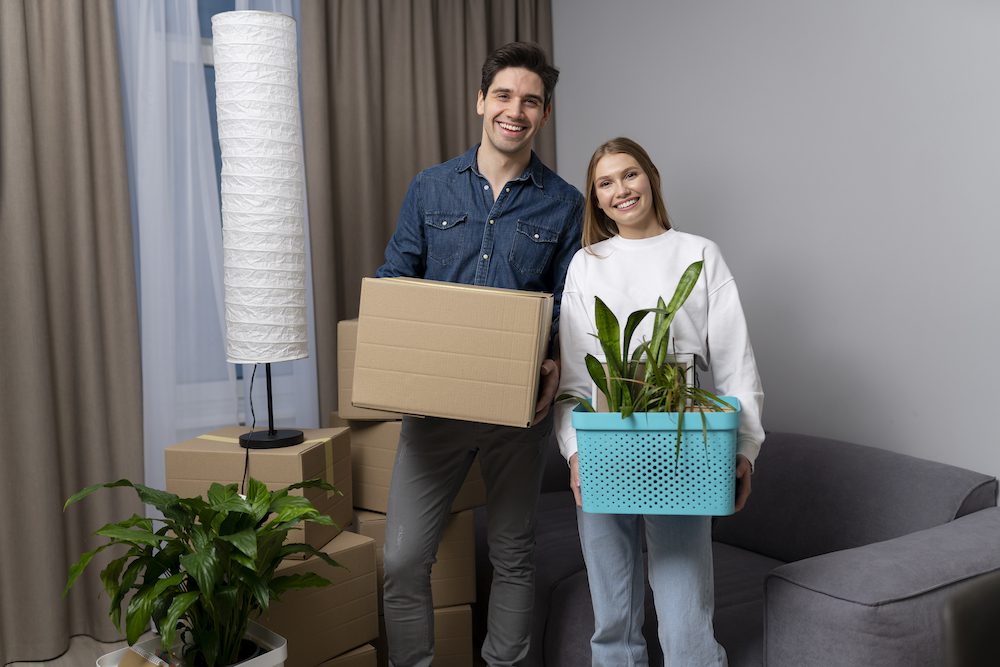
So your partner is moving in with you. Congratulations on this big relationship milestone. Sharing a home for the first time is exciting, meaningful, and—let’s be honest—a little overwhelming. Between merging belongings, routines, and personal styles, there’s a lot to consider. That’s why upcycling your first home together can be such a powerful way to start this new chapter. It allows you to reshape your space thoughtfully while creating something that feels like both of you.
Before diving into décor and design, it helps to get the practical foundations in place. If you live in the UK, especially in the capital, working with transfer of equity solicitors London homeowners trust can help formalise shared ownership and ensure everything is handled properly before you fully settle in together. Once that’s sorted, you can turn your attention to making your home feel welcoming, personal, and truly shared.
Upcycling is an underrated yet effective way to transform a space without starting from scratch. Instead of replacing everything, you’re reworking what already exists—much like building a relationship itself.
Why Upcycling Your First Home Together Matters
Your first shared home isn’t just a place to live; it’s where routines form, memories grow, and your combined style takes shape. Upcycling allows you to be intentional about that process. Instead of one person’s things dominating the space, you’re actively reshaping items together, which creates a sense of balance and collaboration.
When you’re upcycling your first home together, this approach makes even more sense. It helps reduce waste, saves money, and allows you to blend your individual histories into a shared environment. Old furniture, inherited pieces, or items from previous homes don’t have to disappear—they can be reimagined to fit your life now.
It also softens the transition. Familiar pieces—refinished, repainted, or repurposed—can make a new living arrangement feel comforting rather than disruptive.
Paint and Refinish Existing Furniture
One of the easiest ways to start upcycling your first home together is by refreshing furniture you already own. Dressers, side tables, bed frames, or shelving units can all be transformed with a little effort.
Begin by inspecting each piece for stability. Tighten loose screws, fix wobbly legs, and fill small cracks or holes. Disassemble hardware where possible and clean surfaces thoroughly. Light sanding helps create a smooth base, and wiping everything down with a microfiber cloth removes lingering dust.
Choose paint finishes that suit your shared style. Chalk paint works well for a soft, lived-in look, while satin or high-gloss finishes feel more modern. Refinishing wood instead of painting can also highlight natural character while giving the piece new life.
Set Up Ladder Shelves and Vertical Storage
Unused ladders are a classic upcycling win. When repurposed, they offer both function and visual interest—perfect for a shared home where storage matters.
Sand and repaint the ladder in a neutral or accent colour that works with your décor. Secure it properly and use it as a bookshelf, plant stand, or towel rack. In smaller spaces, ladder shelves draw the eye upward, making rooms feel more open.
For kitchens, a ladder mounted horizontally can double as a pot rack or hanging storage solution, freeing up cabinets while adding character.
Create a Shared Memory Wall With Old Frames
Moving in together often means blending memories as much as furniture. Old picture frames are perfect for creating a meaningful gallery wall.
Mix and match frame sizes, finishes, and styles for an eclectic look. Choose a theme that reflects your relationship—travel moments, milestones, or everyday memories. You can also include ticket stubs, pressed flowers, postcards, or handwritten notes to make the display more personal.
This kind of project turns décor into storytelling, reinforcing the emotional side of building a home together.
Optimise Storage With Upcycled Solutions
Storage is one of the biggest challenges couples face when sharing a home. Upcycling offers creative ways to organise without buying new systems.
Glass jars can be cleaned and reused to store bathroom essentials, office supplies, or pantry items. Wooden crates can be sanded, painted, and stacked into shelving for books or kitchen items. Existing closet shelves can often be rearranged or extended rather than replaced, helping you maximise space with minimal waste.
These solutions make storage feel intentional instead of purely practical.
Extend Upcycling Into the Garden or Balcony
If your home includes a garden, patio, or balcony, don’t overlook outdoor upcycling. Old tyres can be transformed into planters, while unused containers or pallets can become vertical gardens.
Creating shared outdoor projects encourages time spent together while adding usable outdoor space. Even small balconies can feel like extensions of your home when treated with the same care as indoor rooms.
Tips for Successful Upcycling as a Couple
To keep projects enjoyable and stress-free, start by inspecting items carefully to ensure they’re structurally sound. Invest in the right tools—basic hardware, adhesives, or fasteners make a big difference in durability.
Most importantly, involve your partner in the decision-making process. Treat each project as a collaboration rather than a task. Upcycling your first home together isn’t just about the end result—it’s about building habits of communication, compromise, and shared creativity.
Summary: Upcycling Your First Home Together
There’s a tradition of honouring the old while welcoming the new during major life transitions. Upcycling fits that idea beautifully. By reworking what you already have, you’re creating a home that reflects both your pasts and your future together.
Upcycling your first home together isn’t just a sustainable choice—it’s a meaningful way to turn a house into a shared sanctuary, filled with intention, personality, and memories waiting to be made.
Disclaimer: This article is for informational purposes only and should not be used as a substitute for advice from a qualified legal or real estate professional. Please seek professional guidance if you require assistance with property ownership or transfer of equity matters.
