
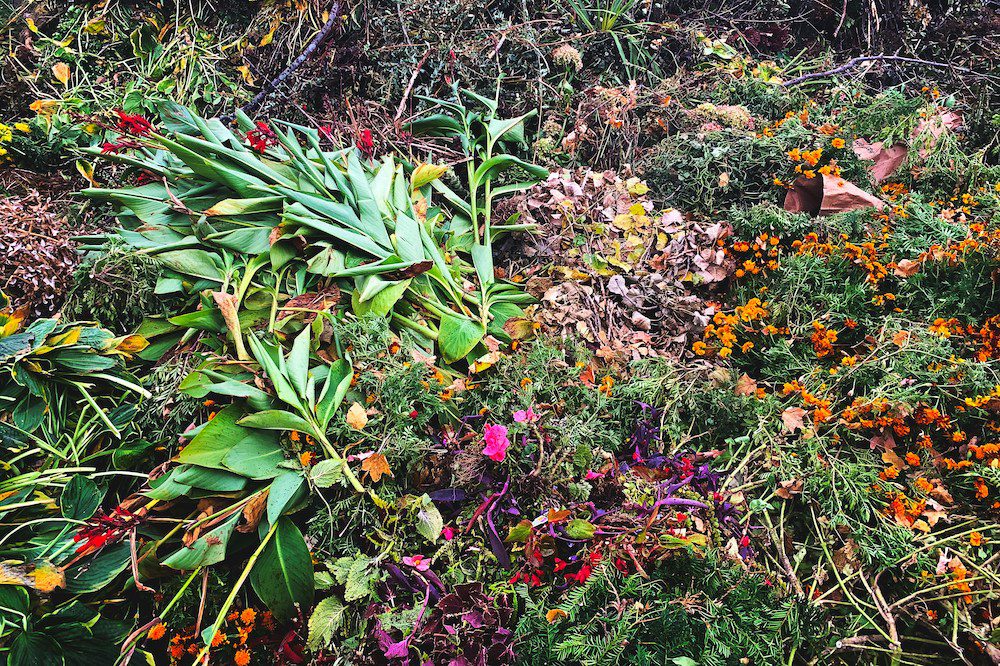
Upcycling yard waste starts long before you build anything. After storms or heavy pruning, your yard fills with branches, leaves, and uneven footing. It looks like free material, but it isn’t ready yet.
Some trees seem manageable until you notice the lean, cracks, or a limb suspended over a fence. When the risky parts need professional handling first, tree removal Brisbane Southside locals rely on can clear hazards and leave manageable offcuts for reuse. That creates a safer starting point and makes upcycling yard waste practical instead of chaotic.
Before saving a single log, focus on access and stability. Look for hanging limbs, check underfoot for trip hazards, and clear a walkway. Once the space feels controlled, the best reuse opportunities become obvious.
Why Safe Cutting Matters for Upcycling Yard Waste
Not every branch is usable material. Some limbs are under tension. Others are hollow or already soft. Cutting the wrong piece can cause snapping, swinging, or falling.
Professional crews reduce that risk through controlled cutting and lowering. They also size timber in ways that work better for DIY builds. Short rounds stack neatly for drying. Straight limbs store cleanly along a fence line.
Once wood is grounded safely, treat it like building material, not debris. Keep logs off soil using bricks or scrap pavers. Cover only the top from rain while allowing airflow around the sides. This reduces mould, checking, and termite risk.
For indoor projects, raise your standards. Avoid wood with fungal fruiting bodies, powdery frass, or sour odours. Those signs usually mean decay is active and the piece won’t last.
Practical Ways to Start Upcycling Yard Waste
Upcycling yard waste isn’t limited to furniture. Leaves, twigs, and wood chips can replace store-bought garden materials and improve soil health.
Start by sorting into three piles:
- Straight wood to dry for builds
- Leaf and twig material for compost
- Diseased or infested material kept separate
Avoid composting diseased branches, as spores can survive and spread.
Here are practical reuse ideas that cost nothing extra:
- Use wood chips as a temporary walkway base while moving tools and timber.
- Save straight sticks for trellises, pea frames, and tree supports.
- Keep leaf litter as brown compost material to balance kitchen scraps.
- Store dry branches as kindling in a raised crate.
- Spread a thin chip layer under a workbench area to reduce mud and slipping.
For structured composting, Queensland’s step-by-step compost guide recommends starting with small twigs for drainage, then layering browns and greens at roughly a 2:1 ratio.
If you need a quick bin, repurposed pallets or old storage containers work well. This Upcycle That guide on eco-friendly DIY projects includes an easy compost bin idea you can build quickly.
Checking Local Rules
Large backyard plans can stall if a tree is protected or sits on a boundary. Many homeowners assume removal decisions are entirely theirs.
In Brisbane, some vegetation work requires approval depending on location and status. Brisbane City Council outlines protected vegetation permits and offers free applications for certain types of work. Checking early prevents wasted time and unnecessary stress.
Even without permit requirements, boundaries matter. If branches cross fences, speak with neighbours before work begins. That avoids disputes about damage and cleanup.
Professional tree services typically plan access, driveway protection, and fence safety before cutting. That care protects both property and salvage material quality.
Matching Tree Service Outputs to Upcycling Yard Waste Builds
Tree services generate several useful outputs:
- Straight limbs
- Short rounds
- Wood chips
- Cleared open space
When you match each output to a planned build, less waste accumulates.
Straight limbs can become border edging, stakes, or simple frames. Short rounds work as stepping pads, rustic stools, or raised bed corners. Chips reduce mud while you build, then transition into mulch later.
Stumps often block backyard upgrades. A stump in the wrong spot prevents a shed base, compost bin, or raised bed. Grinding clears the footprint, though grindings need time to break down before compost use.
If you want straighter timber, cut pieces slightly oversized. Dry them under cover with airflow, then trim to final dimensions later. This reduces warping and edge movement.
Creating a Simple Routine
Low waste habits come from routine. After tree work, walk the yard once. Separate piles immediately. Store usable pieces in a dry, ventilated area.
Plan projects around what you already have. Salvaged timber, jars, tins, and ladders can combine into practical garden features. This roundup of upcycling ideas for gardens offers inspiration for odd-shaped pieces and small offcuts.
Tree services support upcycling yard waste best when they leave behind safer space and usable material sizes. Your role is to keep only what fits a clear plan and store it properly.
With that approach, the yard stays workable. What once looked like clutter becomes your next project.
