
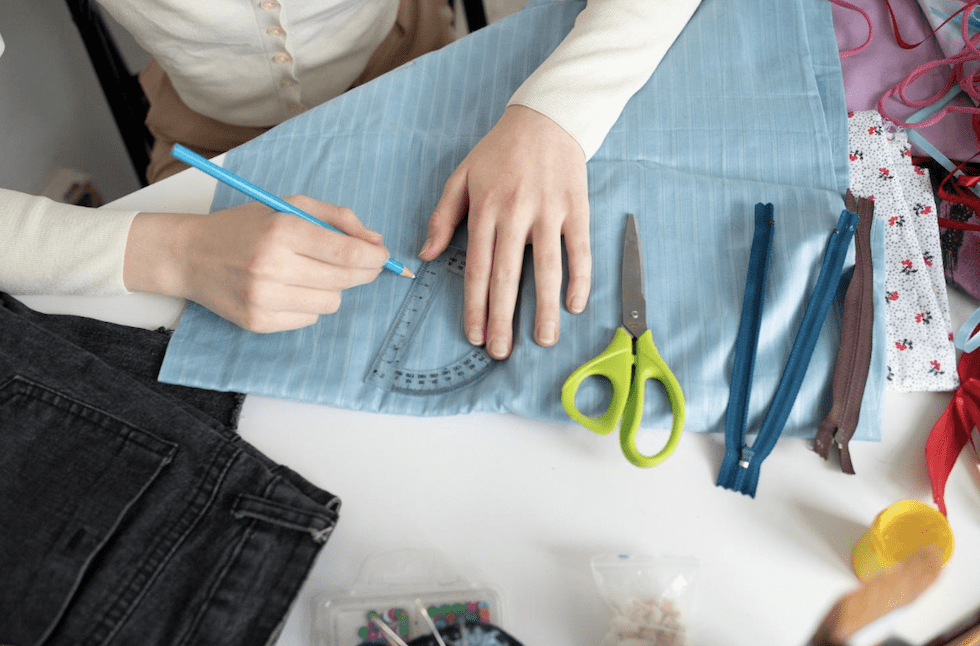
Upcycling kids clothes is becoming a powerful tool for families who want to reduce waste without sacrificing creativity or quality. Parents know the cycle well: shirts worn twice become too snug, jeans suddenly hit mid-calf, and jackets bought in September are outgrown by spring. Kids move through clothing fast, but with upcycling kids clothes and modern circular fashion programs, garments can stay in motion far longer than their first wear.
Rethinking the Lifecycle of Kids’ Clothing Through Upcycling Kids Clothes
The average lifespan of children’s clothing is shockingly short, but upcycling kids clothes gives families a way to reimagine every item. A dress becomes a top, pants with worn knees become shorts, and a simple patch or embroidery renews a fading garment. These small interventions dramatically extend the usable life of each piece.
Brands like Firebird Kids, for example, make it easier by offering their “Pass It On” program, which allows families to resell lightly used children’s clothing directly to other Firebird Kids customers, keeping high-quality pieces circulating rather than sitting unused. Instead of letting lightly worn clothing gather dust, pieces stay in circulation where they’re needed most.
Circular Fashion Works Best When Upcycling Kids Clothes Is Part of the Flow
Circularity thrives when families feel connected to the process. Recommerce and community-driven resale models are rapidly expanding in mainstream fashion. According to insights from the Business of Fashion, consumer interest in circular systems continues to grow, driven by concerns over waste, rising apparel costs, and a desire for transparency in how clothing is produced and reused.Sharing, trading, and reselling children’s clothing creates a community built on creativity and conscious consumption. Consumer demand for circular systems is rising—driven by high apparel costs, awareness about waste, and a desire for transparency.
Upcycling kids clothes fits seamlessly into this mindset. Garments aren’t just passed on; they’re rejuvenated, personalized, and made more unique. Suddenly, hand-me-downs feel intentional, not obligatory.
Teaching Kids the Value of Reuse
One of the most powerful parts of circular fashion is the message it sends to children. When families mend, repurpose, or participate in resale programs, kids learn that clothing is not disposable—it’s something to care for and share.
Because children often form emotional attachments to their clothes, upcycling becomes a beautiful bridge between nostalgia and practicality. Too-small shirts become tote bags or pillows. Beloved dresses become keepsake patches. Kids get to keep the memory while giving the material a second life.
Why High-Quality Clothing Matters in a Circular System
Not all garments can endure multiple owners. Fast-fashion items pill, stretch, or lose shape quickly. Higher-quality children’s clothing—like Firebird Kids pieces—hold up to constant washing, active play, and thoughtful mending. These garments are built for recirculation.
Families are more willing to invest in quality when they know the clothing has a life beyond a single child. Programs like “Pass It On” reward that investment by making it simple to resell items that remain in excellent condition.
Upcycling Kids Clothes as a Creative and Practical Habit
Upcycling kids clothes doesn’t require advanced skills. Small updates—hemming, patching, dyeing, embroidering, converting long sleeves to short—breathe new life into existing wardrobes. Some parents upcycle for their own kids; others prepare pieces for resale to ensure they look their best for the next home.
These small acts add up to a cultural shift away from constant replacement and toward care, creativity, and intentional use.
A More Sustainable Future, One Little Outfit at a Time
The circular fashion movement is rising because it offers an empowering, realistic approach to sustainability. Upcycling kids clothes helps families transform what they already own, while programs like “Pass It On” ensure high-quality garments stay in circulation longer.
Kids may outgrow clothing quickly, but with circular thinking and creative upcycling, garments can enjoy a far richer journey—one that benefits families, communities, and the planet.
