
Old planks pile up fast, which is why learning how to repurpose hardwood flooring can completely transform the leftover wood collecting dust in basements and garages. Homeowners replace floors, stash the surplus, and feel guilty throwing away perfectly good boards. Hardwood is too valuable—and too beautiful—to waste. It already has a finish, comes in consistent cuts, and was built to survive decades of foot traffic. That makes it one of the most versatile and satisfying materials to upcycle.
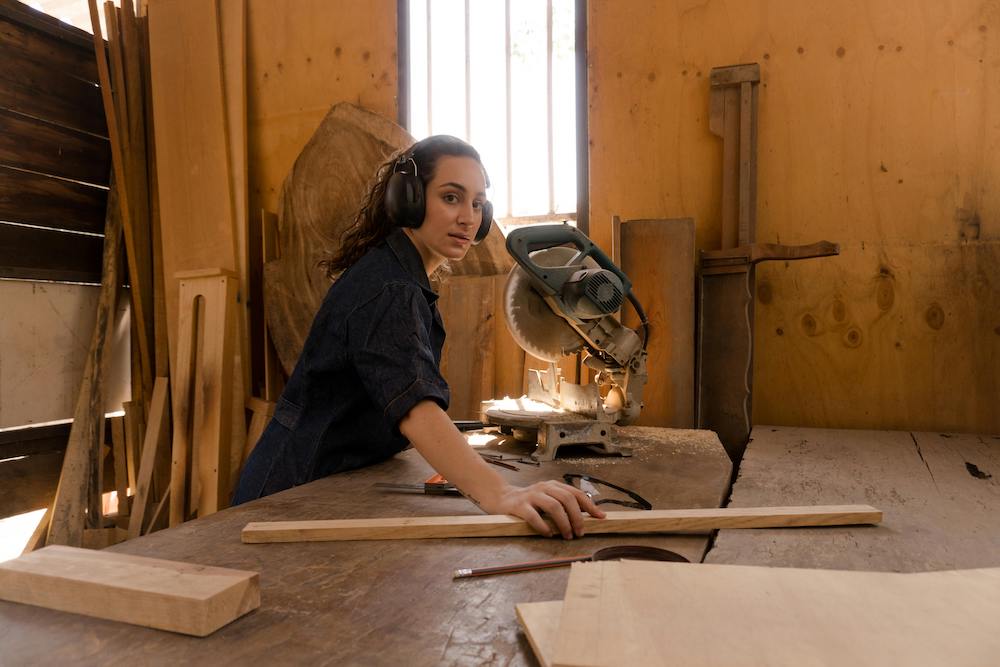
Photo by Los Muertos Crew
When you repurpose solid hardwood flooring, you get furniture-grade material at a fraction of the cost. You also add character to your home while keeping usable wood out of landfills. And because each plank has its own grain, tone, and history, every project becomes one-of-a-kind. Whether you’re salvaging planks from a renovation or scoring surplus boards from a home improvement store, these transformative ideas will help you get creative.
Turn Flooring Into Statement Wall Panels
One of the most striking ways to repurpose hardwood flooring is by turning planks into accent wall panels. Hardwood already comes with tongue-and-groove edges, so the boards lock together cleanly and create a streamlined, professional finish.
To start, measure your wall space and map out your pattern—horizontal, vertical, herringbone, or an eye-catching zigzag. Clean each plank thoroughly and trim away sections with deep scratches or old adhesive. Those cutoffs become useful later for smaller projects, so hang onto them.
Apply construction adhesive to the back of each board and install them directly onto the studs. A nailer helps lock the planks into place. Because the wood is already finished, you skip the time-consuming sanding, staining, and sealing steps. Oak gives warm honey tones, maple offers a lighter palette, and a mixed-wood pattern can add real visual drama. Some people even whitewash their planks for a coastal, airy feel.
The result? A feature wall that looks custom-built—and cost you almost nothing.

Build Custom Furniture from Reclaimed Planks
Furniture is where repurposed flooring truly shines. The boards are stable, durable, and uniformly milled, which makes them ideal for DIY builds that look professionally crafted. The finish is already done, which saves hours and keeps costs down.
Here are standout furniture projects you can build with reclaimed planks:
- Coffee tables – Line planks across a simple frame, glue them securely, and add hairpin legs or a solid box base. The natural grain becomes your built-in design element.
- Dining benches – Stack boards horizontally and secure with brackets. These benches handle daily use beautifully and require almost no finishing.
- Bookshelf backing – Swap out thin white panels with hardwood planks to instantly elevate any bookshelf. The thickness and durability give the unit a high-end feel.
- Headboards – Mount planks behind your bed—either straight or in a pattern. You can keep the natural tone, paint them, or even distress them.
The magic is in the details: small variations in grain, plank length, and wear marks add character that new lumber simply can’t replicate. And because flooring is typically harder than pine or softwood boards, your projects last longer, look richer, and hold up to everyday life.
Create Outdoor Garden Features
It surprises people, but you can absolutely repurpose hardwood flooring outdoors—if you seal it properly. Hardwood is dense and withstands impact and weather better than many outdoor-grade materials. The EPA explains that reusing building materials keeps waste out of landfills. It also saves natural resources.
Try these clever garden builds:
- Raised beds – Use uniform-length planks to create rectangular frames. Secure the corners with posts and line the inside with landscaping fabric to protect the wood from soil moisture. These beds look polished and stand taller than flimsy lumber versions.
- Pathway borders – Dig shallow trenches along your garden paths and stand planks upright. They create neat, clean lines that stop grass from creeping into your walkway.
- Tool sheds – Build a simple 2×4 frame, then sheath the sides with reclaimed flooring. Finish with a slanted roof to shed rain. This kind of structure blends beautifully with natural environments and lasts for years.
Whether you’re using pristine planks or slightly damaged boards, a few coats of exterior sealant give them new life and weather resistance.
Repurpose Hardwood Flooring for Practical Storage Solutions
Shorter pieces, odd lengths, and leftover scraps can still work hard—especially in storage builds. Research shows that different wood types have distinct grain patterns. These patterns add real visual interest to your finished pieces. Repurposed hardwood looks polished immediately because of its existing finish. No extra sanding or staining required.
- Floating shelves – Cut planks to your desired length and mount with heavy-duty brackets. You can double or triple the layers for deeper shelving that supports books, plants, or kitchen essentials.
- Coat racks – One single plank plus hooks equals an instant entryway upgrade. You can add a mini shelf on top for keys and mail.
- Drawer dividers – Cut strips of wood to create custom compartments for utensils, tools, or office supplies. These don’t slide around like flimsy plastic ones, and they make drawers feel professionally organized.
Storage builds are quick wins—low effort, big impact.
Repurpose Hardwood Flooring into Small Decorative Pieces
When you repurpose hardwood flooring, even tiny offcuts can turn into expensive-looking decor. These projects are perfect for beginner DIYers:
- Picture frames – Cut four pieces at 45-degree angles, add a groove for the glass, and piece it together. The grain adds natural charm that’s hard to beat.
- Serving trays – Glue planks into a rectangle, add a rim around the edges, and attach handles. You get a rustic, functional tray for hosting or display.
- Wooden signs – Use planks as a base for house numbers, quotes, or seasonal art. Paint directly onto the wood or use vinyl stencils.
- Wall art panels – Cut planks into varying lengths and arrange them in chevron, geometric, or abstract patterns. Mount onto a backing board and hang like a sculpture.
These pieces make amazing gifts and elevate your home on a tiny budget.
Finishing Touches for Repurposed Hardwood Flooring Projects
Every successful wood repurposing project starts with prep. Clean each plank thoroughly, sand cut edges, and blend raw wood with stain or clear coat. This helps unify everything, especially when using boards of different ages or colors.
For outdoor pieces, apply two coats of exterior polyurethane or spar varnish; reapply every couple of years. Indoor pieces need far less care—just wipe with furniture polish every so often.
Store the remaining planks flat in a dry place and label by type. Even the smallest scraps can become future frames, dividers, or decor accents.
When you repurpose hardwood flooring, you reduce waste and bring warmth, history, and craftsmanship into your home. Each plank carries its past into its new form, adding depth and personality to whatever you create. Start simple, learn as you go, and before long, you’ll have custom furniture, decor, and storage solutions that feel both personal and purposeful.
