
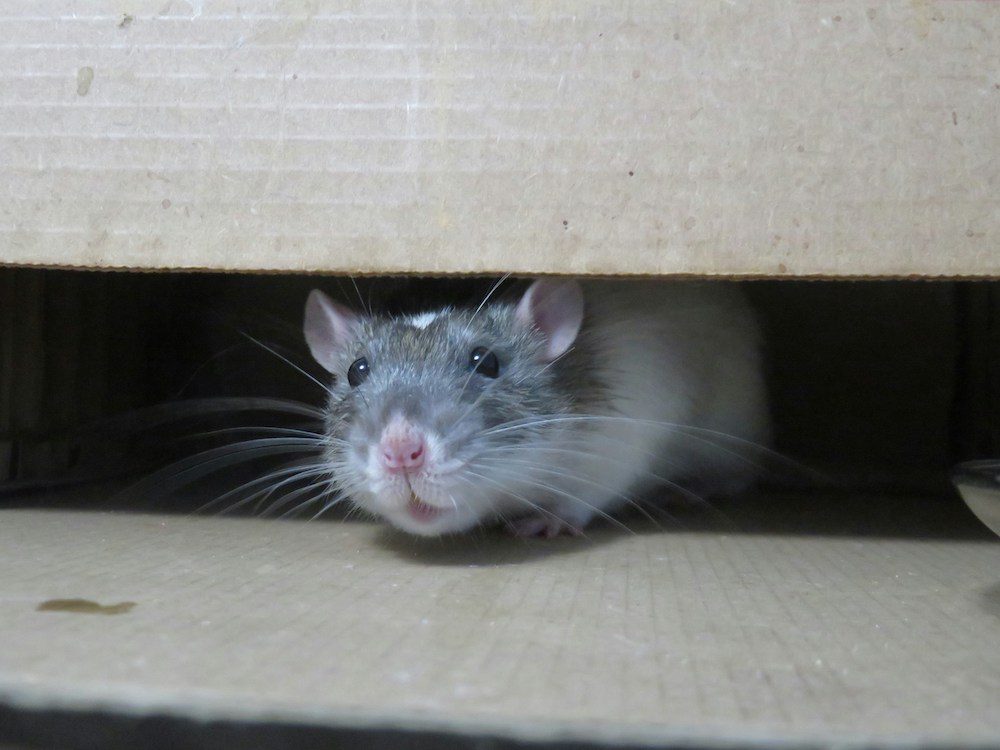
If you’re trying to get rid of rodents, the most effective approach starts with understanding why they entered your home in the first place and how to stop them from returning. Rodents aren’t just unpleasant to deal with—they pose health risks, damage property, and can quickly become a recurring problem if the root causes aren’t addressed.
A prevention-first strategy helps homeowners protect their space safely, reduce reliance on harsh chemicals, and achieve longer-lasting results.
Why You May Need to Get Rid of Rodents in Your Home
Rodents enter homes searching for shelter, food, and water. Small foundation cracks, gaps around vents or pipes, cluttered storage areas, and accessible food sources all make homes inviting targets.
Cold weather, seasonal changes, or nearby construction often push rodents indoors, where they can establish nests quickly and reproduce faster than many homeowners expect.
Understanding Why Rodents Enter Homes
Mice and rats are highly adaptive. They can squeeze through openings as small as a coin and climb, burrow, or gnaw their way into living spaces. Once inside, they tend to follow walls and seek quiet, undisturbed areas such as attics, basements, and wall cavities.
Understanding these behaviors helps homeowners focus on exclusion and maintenance rather than reactive solutions alone. For residents seeking prompt, science-driven solutions, finding a qualified pest control Lower Merion PA expert provides the local, trusted approach needed to protect your home effectively.
Early Warning Signs That You Need to Get Rid of Rodents
Catching a rodent issue early makes it far easier to control. Common warning signs include droppings in cabinets, pantries, or behind appliances, gnaw marks on food packaging, baseboards, or wiring, and scratching or scampering sounds inside walls—often at night.
You may also notice nesting materials like shredded paper or insulation, or unusual pet behavior such as fixating on specific walls or corners. Addressing these signs promptly helps limit damage and health risks.
Health and Home Risks of Rodent Infestations
Rodents contaminate surfaces with urine, droppings, and saliva, increasing the risk of illnesses such as salmonella, hantavirus, and leptospirosis. Beyond health concerns, their constant gnawing can damage insulation, wood framing, and electrical wiring, increasing the risk of fire.
Knowing when action is needed protects both your family and your home’s structural integrity.
DIY Ways to Get Rid of Rodents Safely
For mild or early infestations, DIY methods can be effective when used correctly. Snap traps and electronic traps work best when placed along walls where rodents travel. Gloves should always be worn when handling traps or disposing of rodents.
If bait is used, it must be secured in tamper-resistant stations to protect children and pets. DIY methods work best when paired with preventive home maintenance rather than used on their own.
Home Maintenance Tips That Help Get Rid of Rodents Naturally
Long-term success depends on eliminating access points and food sources. Seal cracks and gaps with steel wool, metal mesh, or cement, especially around utility lines and vents. Store human and pet food in airtight containers and clean crumbs promptly.
Declutter basements, garages, and attics to reduce nesting opportunities. Outdoors, trim vegetation away from the house and remove debris that provides shelter. These practical steps make homes far less attractive to rodents.
When DIY Efforts Aren’t Enough
If traps remain empty despite clear signs of activity, or rodents return shortly after initial control efforts, the infestation may be larger or more established than it appears. Hidden nests, multiple entry points, or structural vulnerabilities often require advanced tools and experience to resolve fully.
At this stage, escalating beyond DIY methods helps prevent repeated cycles of infestation.
What to Know About Rodenticides When Trying to Get Rid of Rodents
Rodenticides can be effective in severe cases but carry real risks. Some poisons can harm pets, wildlife, or children if misused, and secondary poisoning is a concern when predators consume affected rodents.
Non-toxic bait options may be safer for households with pets, though they are typically less effective for widespread infestations. Any use of rodenticides should follow strict safety guidelines and local regulations.
Choosing Professional Help Responsibly
When professional support is needed, the most effective services focus on inspection, exclusion, and prevention rather than relying solely on chemicals. A responsible approach includes identifying entry points, nesting areas, and contributing conditions, then addressing them systematically.
Ongoing monitoring and preventive guidance are key to achieving lasting results.
How to Keep Rodents Out for Good After You Get Rid of Them
Learning how to get rid of rodents is only half the solution. Long-term prevention comes from maintaining a clean, sealed, and well-organized home.
Regular exterior inspections, timely repairs, proper food storage, and moisture control all play an important role in keeping rodents from returning. Consistent upkeep makes your home far less appealing to unwanted guests.
Final Thoughts on How to Get Rid of Rodents at Home
Getting rid of rodents doesn’t require panic or extreme measures. With early detection, safe control methods, and consistent home maintenance, most infestations can be resolved effectively.
By focusing on prevention and informed action, homeowners can protect their living spaces and enjoy a healthier, rodent-free home.
