
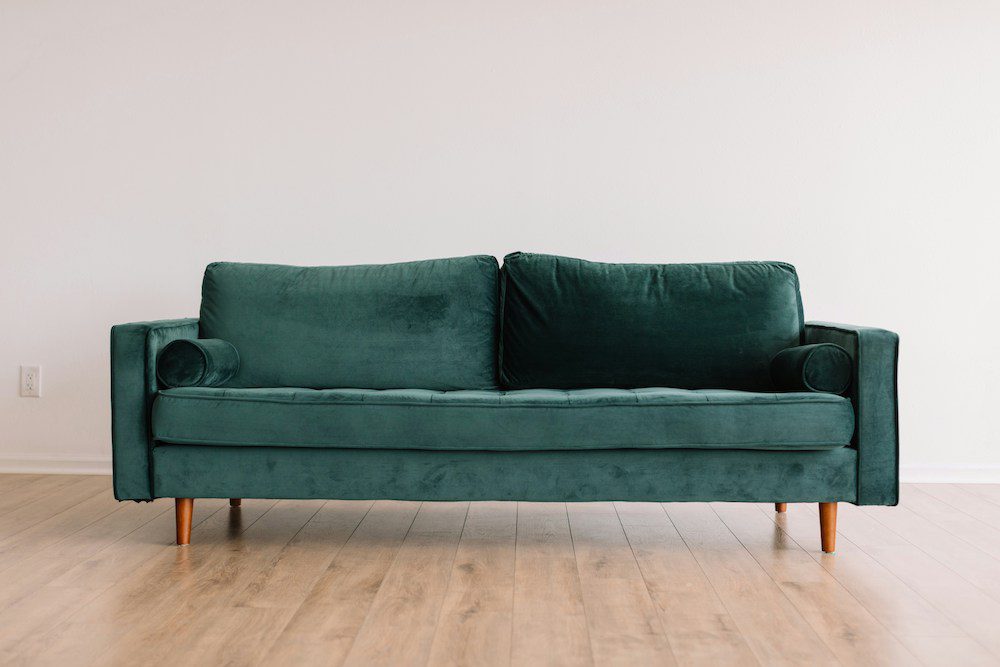
It’s important to bug-proof reclaimed furniture before bringing it inside, or you risk introducing unwanted pests into your home. Insects such as termites, beetles, and bedbugs often hide in cracks, joints, and unfinished wood, making secondhand pieces a potential problem if they are not treated properly.
Reclaimed furniture adds character and supports sustainable living, but it also requires preparation. Taking time to inspect, treat, and seal each piece helps protect your home and preserves the furniture for long-term use.
The steps below explain how to identify warning signs, apply effective treatments, and recognize when professional help may be the better choice.
Inspecting Furniture Before You Bug-Proof Reclaimed Furniture
The first step to bug-proof reclaimed furniture is a careful inspection under strong lighting. Focus on seams, joints, undersides, and areas where wood meets hardware, as these spots often shelter insects.
Common signs of pest activity include:
- Small exit holes in the wood
- Powdery dust known as frass
- Dark staining near joints
- Live insects or shed wings
If you notice extensive damage or active insects, it may be time to pause DIY efforts and consult Pest Control Winston-Salem for a professional assessment before continuing.
Heat Methods That Help Bug-Proof Reclaimed Furniture
Heat is one of the most effective non-chemical ways to eliminate insects and eggs hidden inside wood. Smaller pieces may fit in a heat-controlled environment, while larger furniture benefits from targeted steam treatment.
When using a handheld steamer, move slowly along seams and crevices. Sustained heat is more effective than quick passes. This method works especially well for bedbugs, which cannot survive prolonged high temperatures.
Allow the wood to dry completely after treatment before moving on to cleaning or sealing.
Cleaning Reclaimed Furniture Safely After Treatment
Once heat treatment is complete, cleaning removes residue and discourages future infestations. Avoid soaking reclaimed wood, as excess moisture can cause warping or attract new pests.
Safer cleaning options include:
- White vinegar diluted with water
- Mild dish soap solutions
- Borax mixtures for raw or unfinished wood
Always let the furniture dry fully before applying any sealant.
Understanding Pallet Codes When Bug-Proofing Reclaimed Furniture
If your reclaimed furniture comes from pallets, stamp codes provide important safety information. Some pallets are chemically treated or exposed to higher pest risks.
Avoid pallets marked with:
- MB stamps indicating methyl bromide treatment
- Missing or unreadable stamps
- Visible signs of food, soil, or organic contamination
Heat-treated pallets labeled HT are generally safer, though inspection and treatment are still recommended before indoor use.
Sealing Wood to Finish Bug-Proof Reclaimed Furniture
Sealing turns short-term pest removal into long-term prevention. Once furniture is clean and dry, sealing closes off entry points and makes the surface less appealing to insects.
Effective sealing options include:
- Polyurethane finishes for durability
- Shellac for interior pieces
- Furniture wax for low-traffic decorative items
Apply sealant evenly and pay extra attention to joints and exposed end grain.
When Bug-Proof Reclaimed Furniture Needs Professional Help
In humid regions or older homes, pests can be persistent. If you continue to notice frass, new holes, or live insects weeks after treatment, DIY methods may not be sufficient.
Recurring infestations can spread beyond furniture and cause larger household issues. Early support from professionals like Clarks Pest Control often prevents more costly repairs later.
Protecting Your Home While Bug-Proofing Reclaimed Furniture
Bug-proof reclaimed furniture protects more than just aesthetics. It safeguards your living space, preserves craftsmanship, and ensures sustainability efforts remain practical.
With careful inspection, thorough treatment, and proper sealing, most reclaimed pieces can be safely enjoyed for years. When issues extend beyond surface fixes, professional guidance helps keep both your furniture and your home pest-free.
