
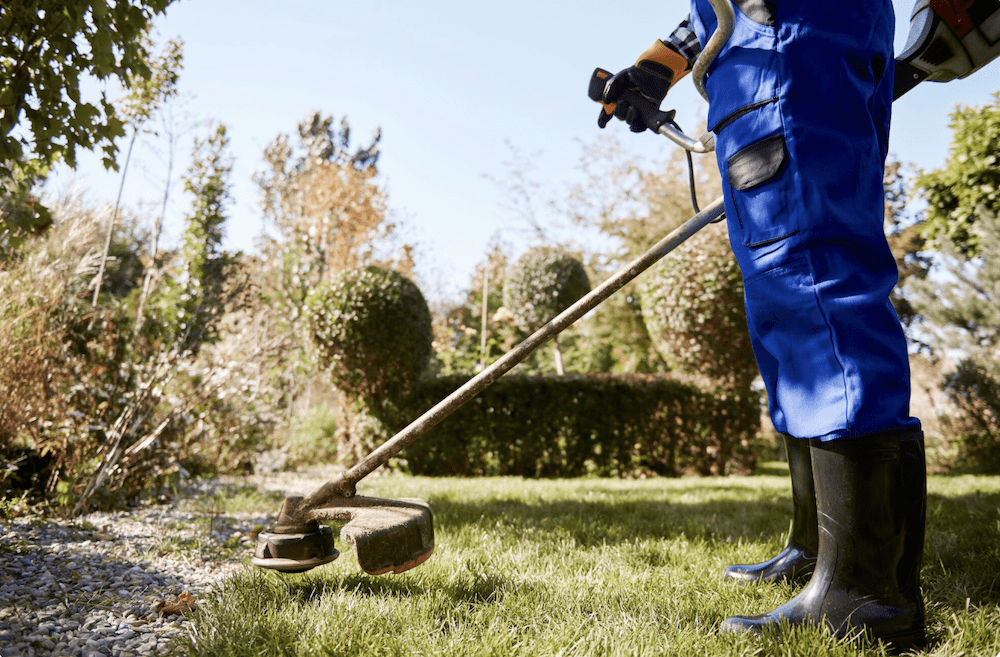
Year-round lawn care helps homeowners maintain healthy, attractive grass through every season, but many people are surprised to learn that lawn treatment programs do not cover everything. While these plans provide important support for soil health, weed control, and fertilization, homeowners can often improve results even further by adopting sustainable habits and upcycling materials they already have around the yard.
What is Year-Round Lawn Care?
Year-round lawn care refers to a structured approach to maintaining grass throughout the changing seasons. Instead of relying on occasional treatments, homeowners follow a schedule that addresses the lawn’s needs at different times of the year.
Because grass growth changes throughout spring, summer, fall, and winter, timing matters. Different climates and grass varieties also require different approaches. This is why many homeowners choose professional treatment programs, while others combine professional services with their own seasonal maintenance routines.
Regional factors also play a role. For example, homeowners seeking McKinney, TX lawn care services may require different treatment schedules than those living in cooler climates due to longer growing seasons and higher summer temperatures.
What Is Usually Included in a Lawn Treatment Program?
Although plans vary between providers, most annual programs include a combination of services designed to encourage healthy growth and reduce common lawn problems.
Typical services include:
- Seasonal fertilizer applications.
- Pre-emergent weed control to prevent invasive weeds.
- Post-emergent treatments for visible weeds.
- Soil conditioning and nutrient support.
- Lawn inspections to monitor stress and growth.
- Seasonal aeration services.
- Overseeding for cool-season grasses.
Some companies may also offer disease monitoring or pest prevention, although these services are often optional rather than standard.
What Most Lawn Treatment Programs Do Not Include
Understanding what is excluded from a program is just as important as understanding what is covered. Many homeowners assume lawn treatment plans provide complete yard maintenance, but this is rarely the case.
Services that are often not included include:
- Regular mowing and edging.
- Landscape design projects.
- Irrigation installation or repairs.
- Tree and shrub care.
- Major lawn renovations.
- Hardscaping and garden construction.
- Seasonal cleanup services.
Additional services are often available, but they usually come with separate fees.
Seasonal Year-Round Lawn Care Tasks
Most treatment programs follow the natural rhythm of the seasons.
Spring
Spring typically focuses on waking the lawn after winter dormancy.
Common tasks include:
- Pre-emergent weed control.
- Early fertilization.
- Soil conditioning.
- Initial lawn evaluations.
Summer
Hot weather brings different challenges.
Many programs include:
- Weed control adjustments.
- Fertilization to improve heat resistance.
- Pest monitoring.
- Stress management recommendations.
Fall
Fall is often one of the most important seasons for long-term lawn health.
Typical services include:
- Core aeration.
- Overseeding.
- Root-strengthening fertilizer applications.
- Winter preparation.
Winter
Winter maintenance is usually minimal, but it can still provide benefits.
Services may include:
- Soil testing.
- Treatment planning for the following year.
- Limited nutrient applications when appropriate.
Since lawn care costs can add up over the course of the year, understanding which seasonal services are included can help homeowners budget more effectively and avoid unexpected expenses.
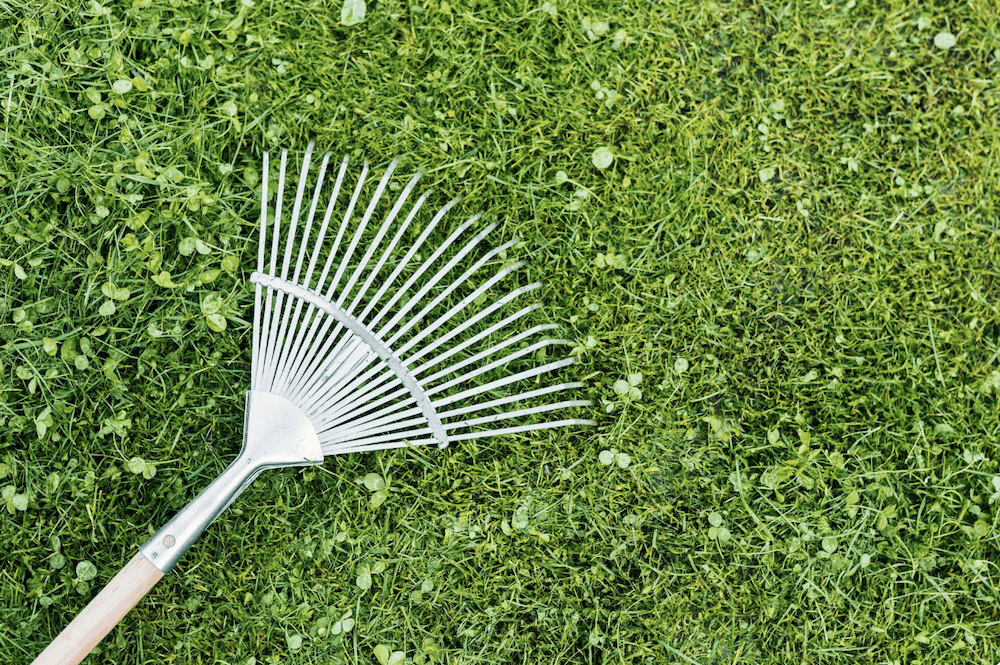
Creative Ways to Upcycle Your Yard While Supporting Year-Round Lawn Care
A beautiful lawn does not always require buying more products. In many cases, sustainable practices and creative reuse can improve soil health while reducing waste.
One of the simplest methods is grasscycling. Instead of bagging clippings, leave finely mulched grass on the lawn to return nutrients to the soil naturally.
Homeowners can also compost fallen leaves, grass clippings, and kitchen scraps to create nutrient-rich material for flower beds and garden areas.
Other upcycling ideas include:
- Turning old pallets into compost bins.
- Repurposing bricks and stones for garden edging.
- Converting barrels into rain collection systems.
- Reusing buckets and containers as planters.
- Creating raised beds from reclaimed lumber.
These simple projects help reduce waste while supporting healthier outdoor spaces.
Factors That Influence Year-Round Lawn Care
No two lawns are exactly alike. Several factors determine which treatments are necessary and how often they should be applied.
These include:
- Local climate conditions.
- Grass species.
- Soil quality.
- Lawn size.
- Drainage conditions.
- Regional weed pressures.
- Pest activity.
Because of these differences, treatment programs can vary significantly from one location to another.
Common Misconceptions About Year-Round Lawn Care
Many homeowners have unrealistic expectations about what annual treatment plans can accomplish.
Some common misconceptions include:
One Treatment Will Solve Every Problem
Healthy lawns require ongoing care. Improvements often happen gradually over several seasons.
More Fertilizer Means Better Results
Over-fertilizing can actually weaken grass and damage soil health.
Every Company Offers the Same Services
Coverage varies considerably between providers. Reading the details of a program helps prevent misunderstandings.
Lawns Stay Perfect All Year
Weather conditions, pests, drought, and heavy foot traffic can all affect appearance despite regular maintenance.
Final Thoughts on Year-Round Lawn Care
A lawn treatment program can provide a strong foundation for maintaining healthy grass throughout the year. Fertilization, weed control, soil support, and seasonal treatments all contribute to better long-term results.
However, understanding what these programs do not include is equally important. Homeowners who combine professional services with sustainable habits and upcycling projects can create landscapes that are healthier, more affordable, and better for the environment. By setting realistic expectations and making the most of available resources, it becomes much easier to enjoy a beautiful yard in every season.
