
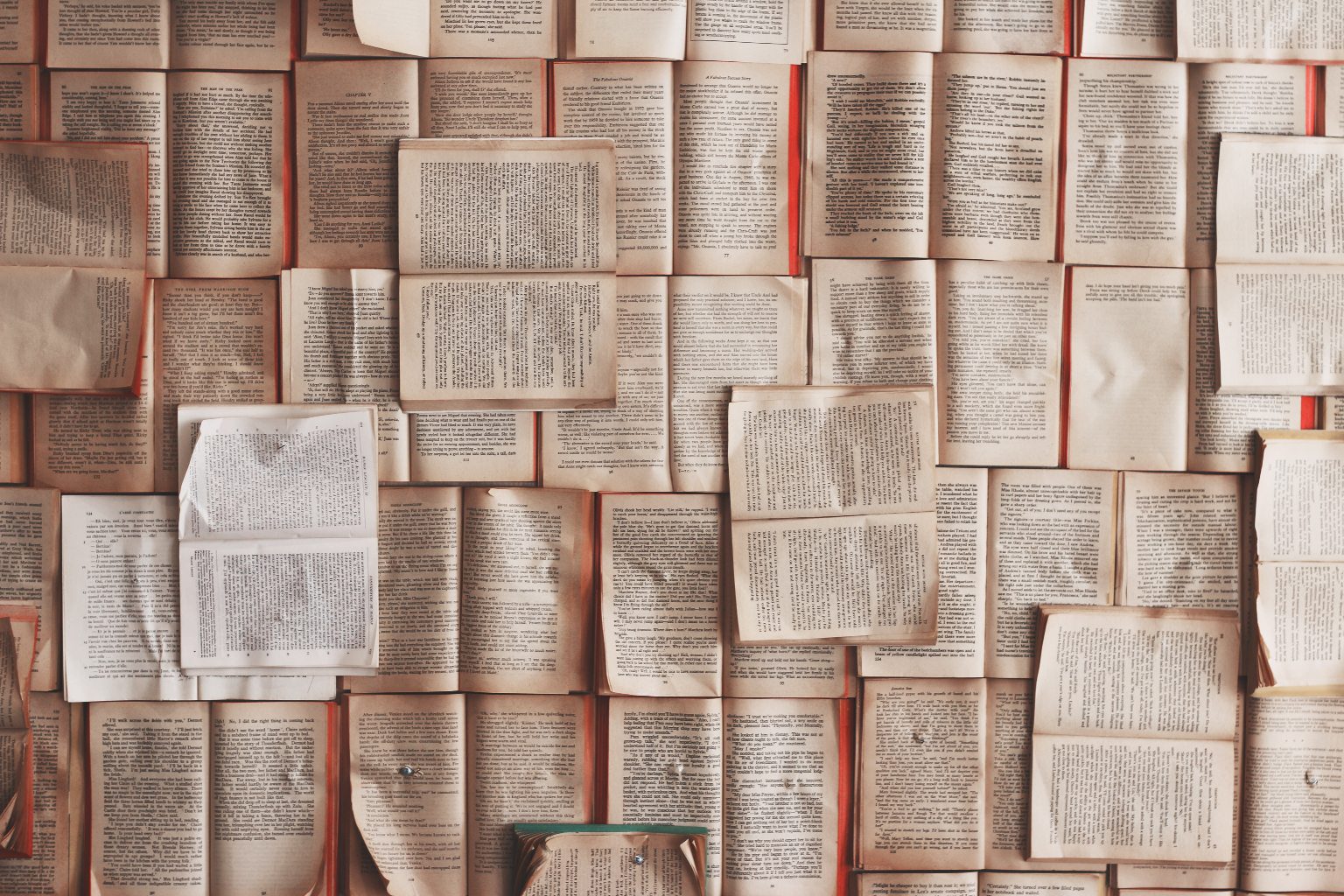
Paper recycling is about far more than simply taking out the trash. From cardboard boxes and office documents to shredded paper and printed materials, businesses generate valuable resources every day that often go unnoticed. With a little preparation and the right outlets, these everyday materials can support sustainability goals while reducing waste and creating new opportunities for recovery.
It is easy to view paper as something disposable, but in a circular economy, used paper is simply a resource waiting for another life. Seeing waste differently is one of the simplest forms of upcycling.
Why Paper Recycling Is Easy to Overlook
Paper products are everywhere. Offices accumulate stacks of printed documents, retailers unpack endless shipments, and warehouses process mountains of cardboard packaging.
Because these materials are so common, many businesses focus primarily on disposal. Yet paper fibres can often be reused multiple times, making them an important part of modern manufacturing and packaging.
Instead of treating cardboard and office paper as a burden, businesses can view them as resources that deserve better handling.
The Different Types of Recyclable Paper Businesses Generate
Not all paper is created equal. Different grades have different uses and are valued differently depending on their quality and condition.
Some of the most common materials include:
- Cardboard (OCC).
- White office paper.
- Mixed office paper.
- Newspapers and magazines.
- Catalogues and brochures.
- Printed documents.
- Shredded paper.
These materials may come from everyday operations or from manufacturing processes. In either case, keeping them separate and clean helps preserve their value and improves the efficiency of recycling systems.
Why Preparation Matters More Than Most People Realize
One of the biggest factors affecting successful recycling is preparation. Clean, dry, and well-sorted paper is easier to process and can be used more effectively.
Businesses can improve their handling practices by:
- Separating different paper grades.
- Preventing contamination from food and liquids.
- Keeping materials dry.
- Storing paper properly.
- Using bales for larger quantities.
Even small improvements in storage and sorting can make a noticeable difference. Better preparation helps ensure that paper fibres remain useful rather than ending up in landfill.
How Paper Recycling Supports a Circular Economy
One of the greatest strengths of paper is that it can often be recycled several times before the fibres eventually reach the end of their useful life.
This process helps:
- Reduce pressure on virgin raw materials.
- Lower the amount of waste sent to landfill.
- Support more sustainable manufacturing.
- Encourage responsible resource management.
- Extend the life of existing materials.
At its core, paper recycling reflects the same principles behind upcycling. Rather than throwing something away after a single use, we find ways to give it another purpose and keep valuable materials in circulation.
Why Access to Buyers Matters
Many organisations generate recyclable paper regularly but are unsure where those materials should go. Finding suitable outlets, comparing options, and managing different relationships can become time-consuming.
This is where marketplaces play an important role. Instead of relying on a single destination, they connect recyclable materials with active demand based on factors such as volume, quality, and location.
Platforms such as Clearpoint Recycling help businesses connect paper waste streams with verified buyers across the UK, making it easier for cardboard, office paper, shredded paper, and other grades to re-enter the production cycle.
By improving access to the market, these systems help valuable materials stay in use instead of becoming waste.
Small Changes Can Make a Big Difference
Creating better recycling habits does not require major changes.
Businesses can start by:
- Setting up clearly labelled bins.
- Training employees on sorting practices.
- Keeping paper separate from general waste.
- Monitoring volumes over time.
- Looking for opportunities to reuse materials internally.
These simple habits make recycling easier while helping organisations reduce waste and operate more efficiently.
Seeing Waste Differently
One of the most powerful shifts any business can make is changing how it thinks about waste. Cardboard boxes, office paper, and printed materials may seem ordinary, but they contain fibres that still have value.
By treating paper as a resource rather than rubbish, businesses contribute to a more circular economy and help keep useful materials in circulation for longer. Sometimes sustainability does not begin with buying something new. Sometimes it starts with recognizing the hidden value already sitting in the recycling bin.

Frequently Asked Questions About Paper Recycling
What Types of Paper Can Be Recycled?
Many types of paper can be recycled, including cardboard, office paper, newspapers, magazines, brochures, and shredded paper. The cleaner and more separated the materials are, the easier they are to process.
Why Does Contamination Matter?
Food residue, liquids, plastics, and general waste can reduce the quality of paper fibres and make materials harder to recycle. Keeping paper clean helps preserve its value.
Can Shredded Paper Still Be Recycled?
Yes. Although shredded paper requires more specialized handling because of its smaller particle size, it can still be recycled through suitable collection and processing systems.
How Does Paper Recycling Benefit Businesses?
Besides reducing waste, paper recycling supports sustainability goals, improves resource efficiency, and helps businesses participate in a more circular economy.
