

Large-scale transformations can completely redefine a home, which is why renovation planning tips are essential before tearing into walls, replacing materials, or committing to a major upcycling vision. While dramatic before-and-after reveals are inspiring, the reality behind most successful renovations involves careful budgeting, realistic timelines, and preparation for unexpected setbacks. Behind every beautiful reclaimed wood feature wall or revived vintage kitchen is a series of practical decisions that kept the project moving forward.
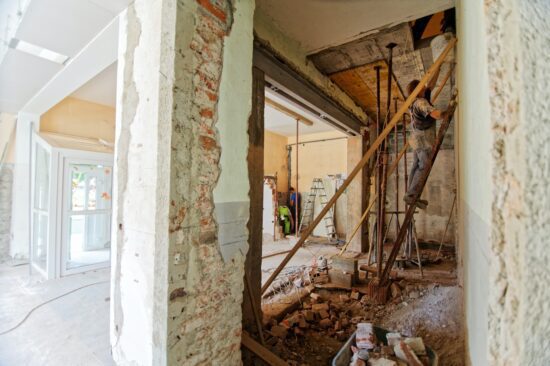
Upcycling projects often come with additional layers of complexity because older homes and salvaged materials can reveal hidden structural issues, outdated systems, or materials that need restoration before reuse. Taking the time to properly plan creates a smoother process and helps prevent creative excitement from turning into financial stress. The goal is not to eliminate surprises entirely but to create enough flexibility that unexpected challenges do not derail the vision.
Define the Full Scope Before You Begin
One of the biggest mistakes homeowners make is underestimating the true scope of a renovation. What begins as a “simple refresh” can quickly expand once demolition starts or design ideas evolve. A clear project outline helps prevent scope creep and creates a realistic understanding of the work involved.
Start by identifying every element you want to change within the space. For example, a kitchen renovation may involve:
- Cabinet refinishing or replacement
- Appliance upgrades
- Lighting changes
- Flooring installation
- Plumbing relocation
- Wall removal
- Painting and finishing details
Breaking projects into smaller categories helps clarify priorities and reveals where costs may escalate. This is especially important in upcycling projects where reclaimed materials often require additional prep work, repairs, or customization before installation.
Detailed planning also makes it easier to decide which tasks can realistically be handled independently and which ones require professional support.
Renovation Planning Tips: Respect Your DIY Limits
There is tremendous satisfaction in completing parts of a renovation yourself. Demolition, sanding, painting, furniture restoration, and styling are all areas where DIY work can significantly reduce costs while adding personality to the finished space.
However, not every task should be approached as a learning experience. Electrical work, plumbing modifications, load-bearing structural changes, and permit-regulated upgrades often require licensed professionals. Mistakes in these areas can become expensive and unsafe very quickly.
A balanced approach usually produces the best outcome. Many successful renovators combine hands-on cosmetic work with skilled professional labor for technical systems and structural components. This hybrid strategy allows homeowners to maintain creative control without compromising safety or functionality.
In large-scale upcycling projects, it is also important to recognize the limitations of salvaged materials. Vintage pieces may need reinforcement, refinishing, or repair before they can safely function in a modern space.
Renovation Planning Tips: Build a Budget That Can Handle Surprises
Budget overruns are one of the most common renovation stressors because hidden problems rarely appear until work begins. When building your budget, include materials, tools, permit fees, and specialized labor. Most importantly, include a contingency buffer of at least 15 to 20 percent. Water damage behind walls, aging electrical systems, uneven flooring, or structural deterioration can quickly increase costs.
When budgeting for a renovation, account for:
- Materials
- Permit fees
- Tools and equipment
- Contractor labor
- Waste removal
- Delivery costs
- Temporary storage
- Unexpected repairs
Large-scale upcycling projects often require additional flexibility because reclaimed materials may vary in condition or availability. Matching discontinued finishes or repairing damaged vintage components can sometimes take more time and money than anticipated.
Financial preparation becomes especially important when urgent structural or water-related issues emerge mid-project. While many homeowners use savings or low-interest financing for planned renovations, sudden emergencies sometimes require immediate action to prevent further damage and keep the project moving forward.
In the world of restoration, a “contingency” isn’t just a number; it’s a safety net for when a project hits a literal wall. While many homeowners explore low-interest personal loans to manage upfront costs, there are times when a renovation uncovers an urgent, non-negotiable issue—like a major leak or a structural failure. In these high-pressure moments where immediate action is required to protect the home, having access to emergency cash loans can act as a vital bridge. This allows you to handle an urgent professional repair immediately, ensuring that a mid-project surprise doesn’t stall your entire vision.
Think Beyond Appearance
A beautiful renovation should also function well for everyday life. Durable design choices often outperform trend-driven decisions over the long term, especially in heavily used spaces.
When evaluating materials and finishes, consider:
- Moisture resistance in bathrooms and kitchens
- Durability in high-traffic areas
- Ease of maintenance
- Longevity of finishes
- Energy efficiency
- Adaptability for future needs
Upcycling naturally supports long-term thinking because it encourages homeowners to reuse quality materials instead of relying on disposable alternatives. Restored hardwood flooring, refinished cabinetry, reclaimed wood shelving, and vintage fixtures often bring more character and durability than mass-produced replacements.
Thoughtful renovations also tend to hold stronger resale appeal. Functional kitchens, updated bathrooms, and well-planned storage solutions consistently remain valuable investments.
Do Not Ignore Permits and Regulations
Permits may feel like an inconvenience, but skipping them can create serious issues later. Many renovations involving electrical systems, plumbing, structural modifications, or additions legally require approval and inspections.
Ignoring permit requirements can result in:
- Fines
- Insurance complications
- Delays during home sales
- Safety concerns
- Forced removal of completed work
Researching local building regulations before starting helps avoid expensive setbacks, as certain renovation projects may also require stage inspections during the construction process. If contractors are involved, confirm who is responsible for securing permits and scheduling inspections.
Even smaller upcycling projects can occasionally trigger permit requirements if systems are being relocated or modified.
Renovation Planning Tips: Expect the Timeline to Shift
Renovation timelines almost always take longer than expected. Material shortages, scheduling conflicts, permit delays, weather conditions, and unforeseen repairs can all affect progress.
Rather than planning around a “perfect” completion date, create a schedule with built-in flexibility. This mindset shift reduces frustration and allows space for thoughtful problem-solving when delays occur.
Large-scale upcycling projects may require additional patience because sourcing secondhand or reclaimed materials is often less predictable than ordering mass-produced items. Waiting for the right vintage fixture or architectural salvage piece can ultimately create a far more unique and rewarding final result.
Renovation Planning Tips: Final Thoughts
The best renovation planning tips focus just as much on preparation as creativity. Large-scale upcycling projects are deeply rewarding, but they also demand flexibility, realistic budgeting, and thoughtful decision-making. When homeowners clearly define the project scope, respect their skill limits, prepare for unexpected costs, and prioritize long-term functionality, the renovation process becomes significantly more manageable.
A successful transformation is rarely about perfection. It is about creating a resilient plan that can adapt when surprises appear behind the walls, under the flooring, or somewhere completely unexpected.
