
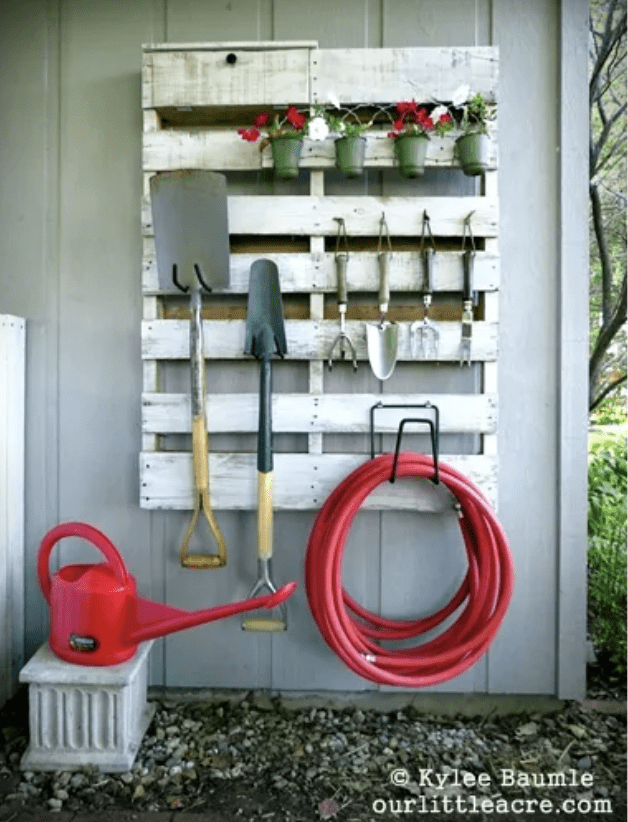
The best garden storage ideas should do more than hide tools out of sight. The real goal is to protect what you own so it lasts through changing seasons without constant replacement. Many outdoor items fail not because they are low-quality, but because they are stored in conditions that accelerate wear. Moisture, heat swings, and rushed packing can quietly damage tools, planters, and materials long before you notice. The best approach is to choose storage methods that prioritize durability, access, and long-term use, so your setup works with your gardening rhythm instead of against it.
Why Garden Storage Ideas Should Focus on Longevity
Most garden storage ideas emphasize capacity, but longevity is the more important measure. Outdoor supplies are often made from materials that react quickly to poor conditions. Metal tools rust, wood warps, and porous materials absorb moisture. Once damage starts, it tends to spread, shortening the lifespan of items that could have lasted for years. This is usually where buyers start more intently looking at modern storage spaces Phoenix.
A better approach is to think in terms of preservation. Storage that keeps items dry, stable, and organized reduces the need to replace them. This not only saves money but also supports a more sustainable way of maintaining your garden. When your tools and materials last longer, you reduce waste and avoid unnecessary purchases.
Climate-Conscious Ideas That Prevent Damage
Temperature and humidity play a major role in how well your garden supplies hold up over time. Garden storage ideas that account for climate conditions will always outperform those that focus only on space. Even a well-organized shed can become a problem if it traps heat or allows moisture to build up.
Ventilation, insulation, and elevation all make a difference. Keeping items off the ground helps prevent dampness, while airflow reduces the risk of mildew and rust. In more humid environments, moisture-resistant containers or sealed bins can protect sensitive materials like seed packets, fertilizers, and soil amendments. Small adjustments like these create a more stable environment that extends the life of everything inside.
Make Seasonal Rotation Easier
Gardening is seasonal, and your storage should reflect that. One of the most effective garden storage ideas is organizing your space based on when items are used. Frequently accessed tools should be easy to reach, while off-season supplies can be stored deeper within the space.
This approach reduces the need to dig through stacked boxes or reorganize everything each time the season changes. It also helps prevent damage caused by constant handling and reshuffling. A clear rotation system keeps your setup efficient and ensures that nothing gets lost or forgotten over time.
Organizing by Material Type
Not all garden items should be stored the same way. One of the most overlooked garden storage ideas is separating items based on the materials they are made from. Metal tools, organic materials, ceramics, and fabrics all respond differently to storage conditions.
Keeping these categories separate allows you to control how they are stored. Metal tools benefit from dry conditions and occasional oiling, while organic materials need breathable containers. Fragile items like ceramic pots should be stacked carefully with padding to prevent cracks. By organizing storage this way, you reduce wear and make it easier to maintain each category properly.
Practical Garden Storage Ideas for Easy Access
Good garden storage ideas should make daily use simple, not complicated. A space that looks tidy but is difficult to access quickly becomes frustrating. When access is poor, items get stacked in front of each other, and useful tools end up buried in the back.
Design your layout around how you actually move through the space. Long items like hoses, trellises, and stakes need room to be stored without bending or forcing them into place. Clear pathways and reachable shelves make it easier to grab what you need without disrupting the entire setup. The easier it is to access your tools, the more likely you are to keep everything organized.
Low-Waste Garden Storage Ideas That Extend Lifespan
The most effective garden storage ideas naturally support a low-waste lifestyle. When your storage system protects items from damage, you replace them less often. This reduces both cost and environmental impact over time.
Reusing containers, repurposing shelving, and choosing durable materials all contribute to a more sustainable setup. Instead of constantly upgrading or replacing storage solutions, focus on building a system that can adapt and last. This mindset shifts storage from a temporary fix to a long-term solution that supports your garden year after year.
Building a Garden Storage System That Works Year-Round
A successful storage setup is one that holds up across an entire gardening cycle. The best garden storage ideas consider how your needs change from spring planting to fall cleanup and winter storage. Planning for these transitions helps prevent overcrowding, damage, and disorganization.
Think through how your space will be used at different times of the year. Adjust your layout so that each season flows into the next without requiring a complete reset. When your storage system works year-round, it becomes a reliable part of your gardening routine rather than a constant problem to solve.
The Real Value of Thoughtful Garden Storage
Garden storage ideas are most effective when they focus on protection, accessibility, and long-term use. A well-designed system does more than keep things tidy. It preserves the tools and materials that support your garden, making each season easier to manage.
When storage is done thoughtfully, it reduces waste, saves time, and extends the life of everything you own. Instead of reacting to damage or disorganization, you create a setup that works consistently in the background. Over time, that consistency is what makes gardening more efficient, sustainable, and enjoyable.
