
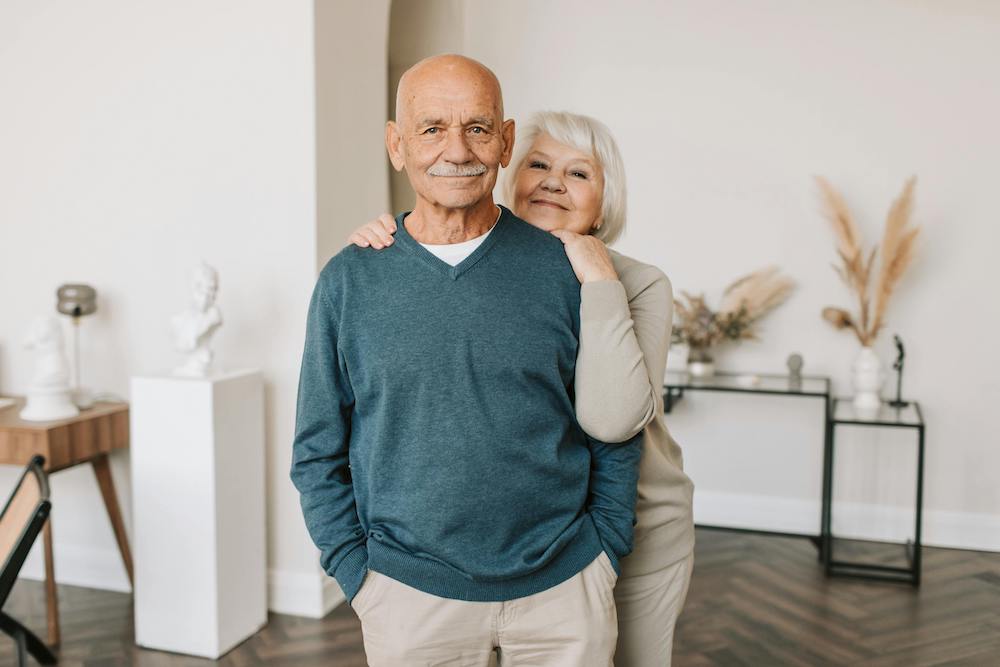
Aging-in-place home modifications are becoming essential as more families adapt their homes for aging loved ones. Many people reach a point where a spare room needs a new purpose. It must support daily life, not just occasional use. Nearly 8 in 10 older adults live independently, yet most homes lack proper accessibility features. This gap creates a clear opportunity to rethink what you already have. By upcycling furniture and refining layouts, you can build a space that feels supportive, warm, and personal.
Prioritizing Functional Layouts for Safety
Effective aging in place home modifications start with simplifying the layout. Guest rooms often collect extra furniture and decorative items over time. These quickly become hazards as mobility changes. Clear pathways allow the room to function with ease. They also reduce the risk of falls. Removing thick rugs and uneven flooring creates a more stable surface. Consistency underfoot helps build confidence with every step.
Thoughtful placement turns everyday furniture into support tools. A low-profile dresser near the entry can provide balance when entering or exiting. It also adds practical storage. Each item should serve a clear purpose within the space. When furniture supports movement, the room feels calm and easy to navigate.
Transitioning Toward Professional-Level Care
As families implement aging in place home modifications, they often notice a deeper shift. The environment begins to shape independence and daily comfort. What starts as a home project can change how you think about care. Many people begin to see how impactful thoughtful design can be.
Some choose to extend that care beyond their own home. Resources like Nurse Next Door’s guide on how to open your Florida health agency outline practical next steps. Within your own space, focus on simple upgrades that deliver real impact. Choose furniture with rounded edges to reduce injury risk. Install lever-style handles to improve accessibility. Set the bed height so feet rest flat on the floor. These changes support stability and independence every day.
Creative Furniture Repurposing for Accessibility
Upcycling plays a central role in aging-in-place home modifications. It allows you to improve function without losing warmth or character. Instead of replacing everything, adapt what you already own. This keeps the space familiar and comfortable. With such upcycled home improvements, the room remains a personal sanctuary rather than a sterile environment.
A vintage nightstand can become a mobile hygiene station with locking casters. Small hardware changes also make a big difference. Swap traditional knobs for D-shaped pulls to improve grip. These updates increase usability without changing the overall look. The space remains personal while quietly becoming more functional.
Lighting and Visibility Enhancements
Lighting plays a critical role in aging in place home modifications. Poor visibility contributes to many falls inside the home. Improving lighting reduces risk and builds confidence. You do not need a full redesign to see results.
Upcycle existing lamps with motion-sensing smart bulbs. These turn on automatically during nighttime movement. Add contrast along baseboards to define room edges. This helps those with declining vision navigate more easily. Use matte finishes on wood to reduce glare. Install LED strips in closets and drawers for better visibility. Secure loose cords behind furniture to prevent trips and snags.
Sustainable Comfort for the Long Term
The best aging in place home modifications evolve with changing needs. The space should adapt without constant renovation. Planning ahead saves time, money, and stress. It also preserves comfort and familiarity.
Upcycled, modular solutions make adjustments simple over time. You can reposition or upgrade furniture as needed. Small changes keep the space aligned with new requirements. This approach maintains a sense of stability and ease. A well-designed room should feel consistent, even as it evolves.
Beyond the Renovation
A home should protect and support the people within it. Aging in place home modifications go beyond safety features alone. They create an environment where someone feels capable and respected. Through thoughtful design and upcycling, a spare room becomes something much more meaningful. It becomes a space that supports both independence and care.
