
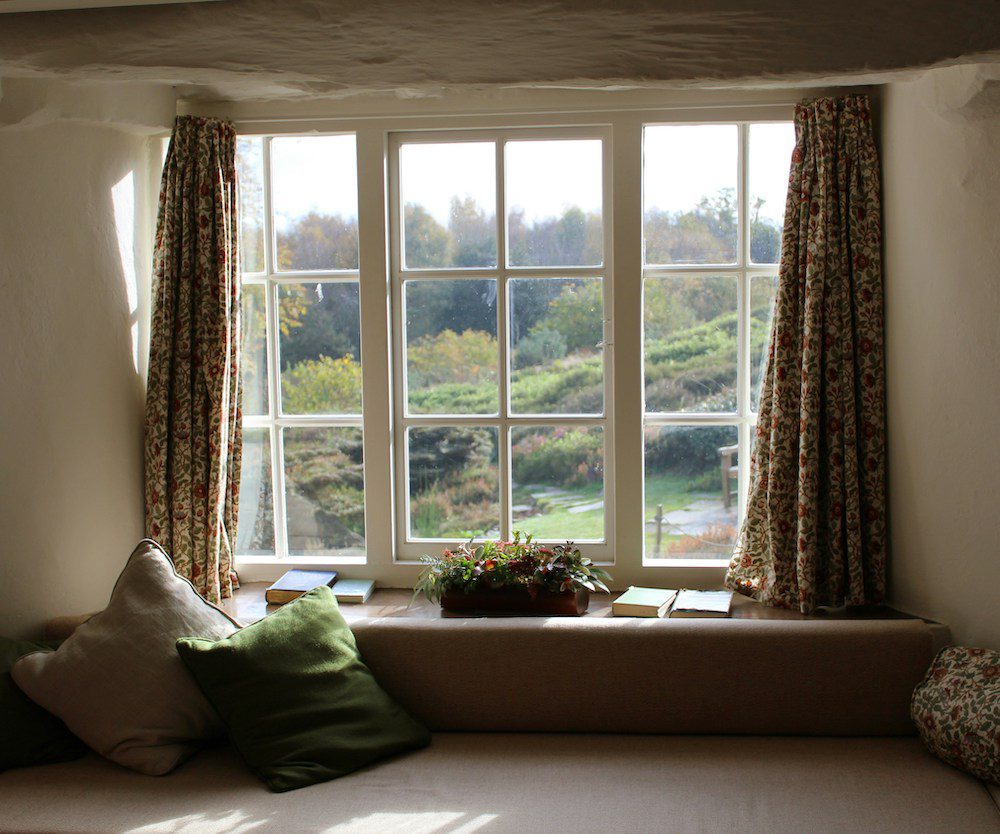
Design ideas to maximize natural light do not always require structural changes. Often, the biggest impact comes from how materials are used. Lighter finishes, reflective surfaces, and open forms allow light to move through the room rather than stopping it.
From there, most people turn to decor. A table gets sanded and repainted. A thrifted chair finds a new place by the window. Heavy drapes come down, and the room immediately feels lighter. These updates help, especially in homes where character matters more than constant replacement. Still, some rooms never quite feel finished.
In many cases, the issue is not what has been added, but how light moves through the space. When it feels blocked or uneven, even thoughtful styling can fall flat. Some places simply won’t look finished despite all the effort spent on interior design, and very often, the problem becomes clearer when one starts considering the windows themselves and what options there may be for them from a boise window company.
Design Ideas to Maximize Natural Light Through Better Window Framing
Light is what brings reused and character-rich pieces to life. Wood tones feel warmer. Textiles gain depth. Ceramics, glass, and metal reflect light in a softer, more natural way. This matters in homes built around upcycled decor, where texture and variation are part of the appeal.
When the window supports the room, everything improves. When it does not, even strong pieces can look dull by midday. Sometimes the shift is not about adding more decor, but about refining how the light enters and moves through the space. Exploring options through a boise window company can help clarify what changes might better support the room without overwhelming it.
Rethinking Layout Around the Light Source
Most layout decisions start with furniture and treat windows as secondary. That is where rooms begin to feel slightly off. A chair ends up in shadow. A desk sits in a dim corner. Curtains interrupt the wall in a way that limits how the space can function.
When the window becomes the starting point, the rest of the room tends to fall into place. Seating can face the light. Storage can sit without blocking it. Walls begin to feel usable instead of awkward. For anyone working with existing or upcycled pieces, this shift creates flexibility without requiring a full reset.
Using Furniture and Materials to Maximize Natural Light
Design ideas to maximize natural light do not always require major changes, but they do benefit from thoughtful material choices. Lighter finishes, reflective surfaces, and open forms allow light to move through the room rather than stopping it.
A painted cabinet in a soft tone can bounce light instead of absorbing it. Open shelving keeps the wall from feeling heavy. Even small changes, like switching dense textiles for lighter ones, can make a noticeable difference. The goal is not to remove character, but to let existing pieces interact better with the light.
Small Styling Changes That Make a Noticeable Difference
Once the main elements are in place, the smaller details begin to matter more. Curtain length and fabric weight can either enhance or block light. Trim color can shift how bright a wall appears. The placement of plants, books, and ceramics can either reflect light or create visual weight.
This is where an upcycling mindset becomes especially useful. Instead of replacing everything, it is about editing. Move pieces. Restyle shelves. Rework what you already own so it supports the light instead of competing with it.
Design Ideas to Maximize Natural Light Without Overdesigning
The best rooms do not feel forced. They do not look like every surface was replaced or every trend was applied at once. They feel balanced, lived-in, and quietly intentional.
When light is working properly, older furniture, thrifted finds, and handmade decor settle into the space more naturally. Nothing has to fight for attention. The room feels calmer, not because it is empty, but because everything is finally working together.
When the Space Finally Comes Together
Some updates demand attention. Others work in the background. Improving how light moves through a room often falls into that second category, especially in spaces built around reuse and thoughtful styling.
A room with good bones rarely needs more things. It needs alignment. Once the light supports the layout, the pieces that were already worth keeping start to feel right where they are. The space becomes easier to live in, easier to use, and far more complete without losing its character.
