
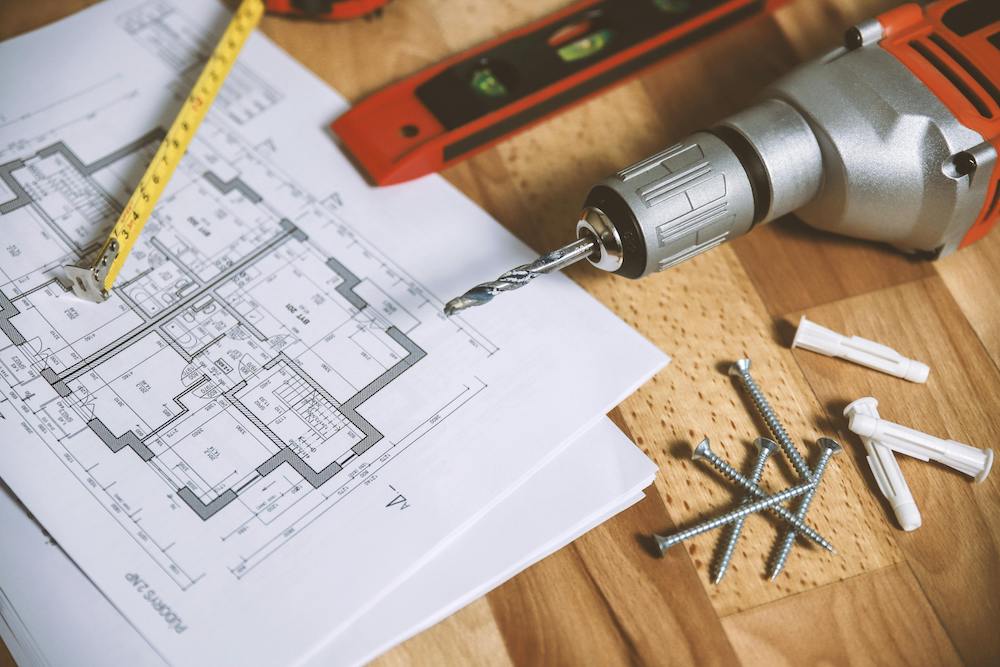
If you’re wondering how to plan a home renovation, you’re not alone. Many homeowners reach a point where their space no longer fits their lifestyle, but moving isn’t always the smartest or most affordable option. Renovating gives you the opportunity to reshape your home in a way that feels more aligned, functional, and intentional. The best renovations today go beyond surface-level upgrades. They rethink how a space is used while finding creative ways to reuse what already exists, reducing both cost and waste in the process.
How to Plan a Home Renovation with a Clear Vision
The first step in how to plan a home renovation is getting specific about what is not working in your space. A vague goal like “update the kitchen” quickly falls apart once real decisions need to be made. Instead, focus on function first. Pay attention to how you move through your home, where things feel inefficient, and what consistently frustrates you. These insights will guide stronger design choices than aesthetics alone ever could.
This stage is also where upcycling can quietly shape your entire project. Before replacing anything, take inventory of what you already have. Cabinets can often be repainted or refaced instead of removed. Solid wood pieces can be cut, repurposed, or refinished. Even keeping your existing layout can save thousands while dramatically reducing construction waste. A renovation grounded in intention tends to feel better and perform better over time.
Make a Reuse Plan Before You Demolish
Before demolition begins, walk through each room and make a list of what is already there. Sort cabinets, doors, flooring, fixtures, and furniture into four groups: keep in place, repair or refinish, reuse elsewhere, and donate or salvage. This simple exercise can reveal opportunities that disappear once everything is pulled out.
For example, kitchen cabinets with solid frames may only need new doors or paint. An old interior door could become a sliding pantry door, while leftover tile might cover a small backsplash or tabletop. Measure anything you hope to reuse, photograph its condition, and check with your contractor before building the new design around it. Some items need repairs or adjustments that affect the budget and schedule.
Then add your reuse decisions to the renovation plan. Label items that must be removed carefully, set aside a dry place to store them, and tell the demolition crew what to protect. If you cannot use something yourself, contact a local salvage shop or reuse organization before work starts. Planning where materials will go keeps useful pieces out of the waste bin and makes upcycling part of the renovation from day one.
Budgeting Smartly When Planning a Home Renovation
Budgeting is where even well-planned renovations can start to unravel. Costs rarely stay fixed, especially once walls are opened and hidden issues come to light. Materials fluctuate, labor varies, and unexpected repairs show up once walls open. Setting aside an extra 15 to 20 percent of your budget helps you stay steady when those surprises hit.
Upcycling becomes a major advantage here. Sourcing items from places like Facebook Marketplace, architectural salvage yards, or local reuse centers can significantly cut costs while adding character. It is often possible to find high-quality doors, lighting, vanities, and fixtures for a fraction of retail prices. Mixing these pieces with new materials creates a layered look that feels more curated than buying everything off the shelf.
Compare the Real Cost of Reusing and Replacing
A salvaged item is not always the cheaper choice once you account for the work needed to use it. Before committing to reclaimed flooring, an old vanity, or secondhand doors, compare the installed cost with the cost of a suitable new option.
Write down the purchase price, transport, cleaning or refinishing, missing parts, and installation labour. Then check measurements and condition. A beautiful secondhand door may need a new frame and hardware; reclaimed flooring may contain damaged boards, so you might need more material than the room’s square footage suggests.
Do the same calculation for an item already in your home. Refacing sound cabinets, for example, may preserve useful materials and avoid demolition costs. But if the cabinet boxes are damaged or the layout does not work, keeping them could make the kitchen less functional.
This comparison helps you choose reuse projects that genuinely save resources and fit your budget. It also shows where paying for skilled repair makes sense—and where passing an item to someone who can use it is the better upcycling decision.
Choosing the Right Professionals Early
A key part of how to plan a home renovation successfully is choosing the right professionals early in the process. The contractor you hire will shape not only the final result but also your day-to-day experience during the renovation. Instead of relying solely on reviews, look at past work, timelines, and how clearly they communicate expectations. Working with a trusted Lacey roofing company gives you confidence that materials, installation, and long-term durability are handled correctly. When key areas are done right, you avoid future repairs that cost far more than the initial investment.
It is also important to be upfront about your approach. If you want to incorporate reclaimed or reused materials, make sure your contractor is comfortable working with them. Some are highly skilled in this area, while others prefer strictly new materials. Aligning on this early prevents friction later and ensures your vision is executed properly.
Understanding Timelines and Managing Disruption
No renovation unfolds perfectly on schedule. Delays can come from supply issues, weather, or unexpected structural discoveries. Planning for this reality makes the process far less stressful. If your kitchen or bathroom will be out of use, set up temporary alternatives ahead of time so daily life can continue with minimal disruption.
Breaking your renovation into phases can also be a strategic move. It reduces financial pressure and gives you more time to source upcycled materials thoughtfully rather than making rushed purchases. A slower, more intentional pace often leads to better design decisions and a more cohesive end result.
Choosing Materials That Last and Reduce Waste
Material selection is one of the most important decisions you will make when learning how to plan a home renovation. While trends can be tempting, durability should guide your choices. High-traffic areas require materials that can withstand daily use, while kitchens and bathrooms need surfaces that resist moisture and wear.
Upcycled materials often excel in this category. Reclaimed wood, vintage fixtures, and refurbished furniture tend to offer both durability and character that mass-produced items lack. They also bring a sense of history into your space, making the final result feel more personal. Pairing these elements with energy-efficient upgrades such as better insulation or modern windows can further improve both sustainability and long-term cost savings.
Staying Involved Without Overcontrolling the Process
Once construction begins, staying involved helps ensure everything stays aligned with your vision. Regular check-ins allow you to catch issues early and make adjustments before they become costly problems. At the same time, it is important to trust the professionals you have hired and avoid micromanaging every step.
Keeping clear records of decisions, changes, and payments will help you stay organized and reduce the chance of misunderstandings. Renovations often reveal hidden issues like water damage or outdated wiring, and while these discoveries can feel frustrating, addressing them properly strengthens your home in the long run.
Thinking Long-Term When Planning a Home Renovation
The most successful renovations are designed with the future in mind. As your lifestyle evolves, your space should be able to adapt with you. Flexible rooms that can serve multiple purposes add long-term value without requiring additional square footage.
Upcycling supports this approach by encouraging more timeless, adaptable design choices. Instead of chasing short-lived trends, incorporating well-made, repurposed pieces helps create a space that continues to feel relevant over time. Even if you are not planning to sell, considering resale value can guide smarter decisions, particularly in kitchens, bathrooms, and layout improvements.
Final Thoughts on How to Plan a Home Renovation
Understanding how to plan a home renovation is about more than managing timelines and budgets. It is about making intentional choices that improve how your home functions while reducing unnecessary waste. By combining clear planning, the right team, and a thoughtful approach to reusing materials, you can create a space that feels both elevated and deeply personal.
A well-planned renovation does not just update your home. It transforms it into something that better reflects how you want to live.
