
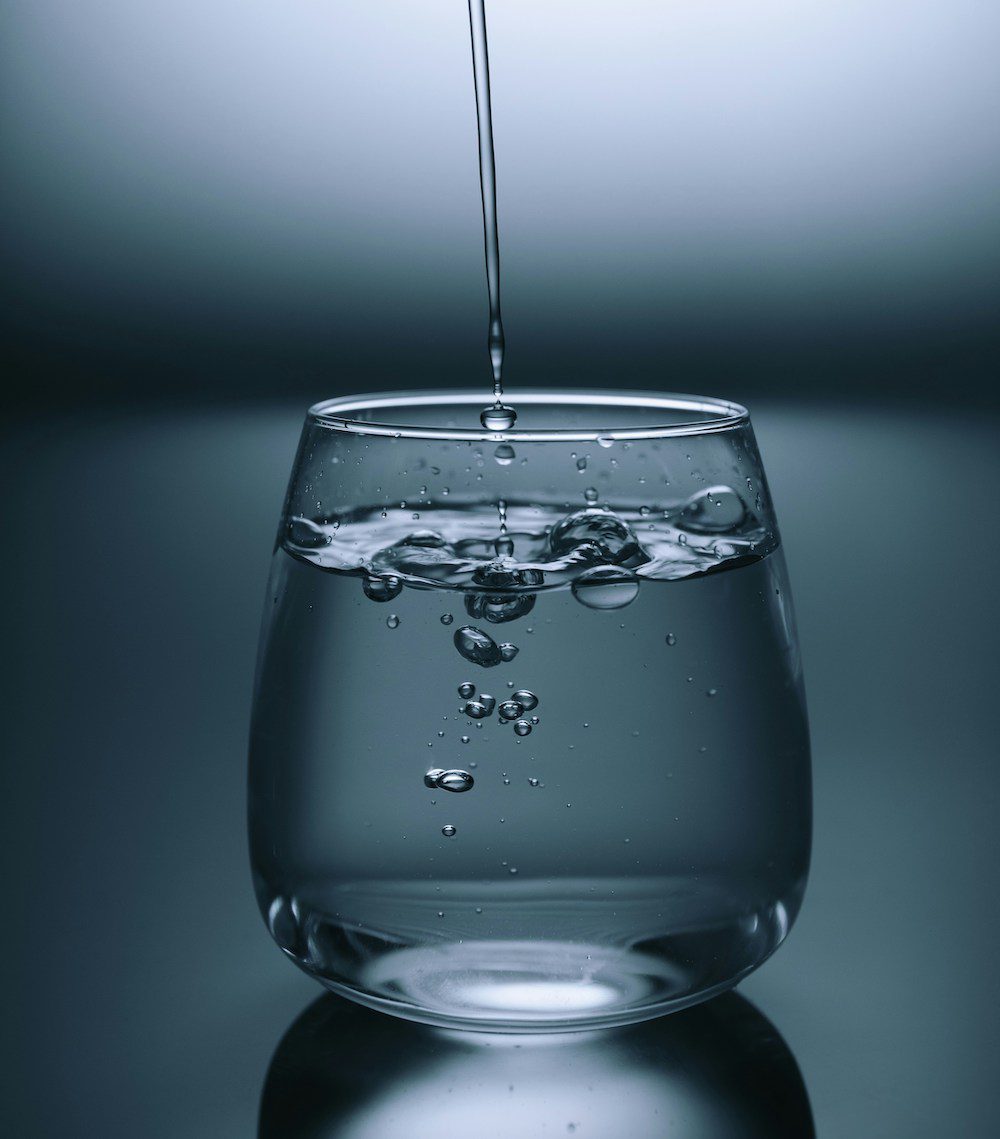
The best water to drink is not always the most convenient option on the shelf. More people now ask what tastes best, what feels best to drink, what supports health, and what creates less waste over time.
Today’s choices include filtered tap water, natural spring water, ionized alkaline water systems, and premium mineral water in glass bottles. Each option has its own strengths, trade-offs, and environmental footprint. In a more conscious home, it helps to view hydration the same way we view furniture, fashion, or decor: through the lens of quality, function, and long-term value.
Is Spring Water the Best Water to Drink?
Spring water flows from underground aquifers and passes through layers of rock and soil. Along the way, it picks up minerals such as calcium, magnesium, and potassium. These minerals shape its taste and add to its appeal.
Many people choose spring water because it keeps those natural minerals intact. It often tastes smoother and more satisfying than heavily filtered water.
The main drawback is logistics. Brands often bottle true spring water at the source and ship it long distances. That process can increase transport emissions and packaging waste.
For people who enjoy spring water, glass bottles and responsible sourcing can make this option more thoughtful.
Filtered Tap Water May Be the Best Water to Drink for Daily Use
For many households, filtered tap water is the most practical and sustainable solution.
Modern filtration systems remove contaminants such as chlorine, heavy metals, and sediments while allowing water to be consumed locally without transportation or packaging waste. Compared with bottled water, tap water also tends to produce fewer environmental impacts overall.
Some studies even suggest bottled water can contain higher levels of microplastic particles than treated tap water, largely due to packaging and bottling processes. (Ohio State News)
Using a high-quality filtration system paired with reusable glass bottles or stainless steel containers can therefore be one of the simplest low-waste hydration strategies.
Alkaline and Ionized Water Systems
Alkaline water machines, such as Kangen systems, work by passing filtered water through electrolysis plates that separate the water into acidic and alkaline streams. Drinking water is typically produced with a pH between about 8.5 and 9.5.
Supporters believe alkaline water may help neutralize acidity and improve hydration, although scientific consensus on the health benefits remains mixed.
One advantage of these machines is that they allow people to produce drinking water at home rather than relying on bottled products. However, they can require a significant upfront investment and regular maintenance.
For some households, they represent a long-term strategy for reducing plastic waste while customizing water quality.
Can Glass-Bottled Mineral Water Be the Best Water to Drink?
Glass-bottled mineral water sits in an interesting middle ground between convenience and sustainability.
Brands bottle mineral water directly from protected underground sources, so it keeps the naturally occurring minerals that shape its flavor. Many people prefer glass packaging because it reduces reliance on plastic, even though it does not erase every environmental concern.
Research also shows that microplastic contamination can still occur in both plastic and glass bottles because of bottling processes or caps. Glass packaging is often preferred by people trying to reduce plastic use, although packaging itself does not eliminate environmental impacts entirely. In fact, research shows that microplastic contamination can occur in both plastic and glass bottles due to bottling processes or caps. (Food & Wine)
Even so, glass bottles offer one major advantage: reuse. People can easily repurpose them around the home.
Premium mineral waters—such as alpine spring varieties like Chiarella, which comes in durable glass bottles that can later be repurposed as water carafes, vases, or oil dispensers. Unlike many water brands now owned by large multinational companies, Chiarella remains family-owned. That detail may matter to shoppers who value a stronger connection to source, story, and small-scale stewardship. The water is bottled at the source in the Plesio mountains, where it is naturally filtered through alpine rock, helping shape its mineral profile and crisp taste.
The Upcycle Factor: Giving Bottles a Second Life
From an Upcycle That perspective, the most interesting part of premium water packaging is what happens after the water is gone.
High-quality glass bottles can easily become:
- Minimalist table water carafes
- Propagation jars for plant cuttings
- Olive oil or vinegar dispensers
- Single-stem flower vases
- Refillable bottles for homemade drinks
Choosing packaging that can be reused multiple times turns a disposable product into a long-lasting household object.
Finding the Best Water to Drink for Your Lifestyle
No single option works best for everyone.
Spring water offers natural minerals and a strong sense of source. Filtered tap water cuts down on packaging and transport. Alkaline machines give people a customizable at-home option. Glass-bottled mineral water adds a sense of ritual and reuse.
The best choice usually comes down to balance. Health, convenience, sustainability, and personal preference all play a role.
For many households, a mix of options works best. Filtered tap water can cover daily hydration, while glass-bottled mineral water can add something special for entertaining or shared meals.
Sometimes the most sustainable choice is simply using what you already have and making it last longer.
