
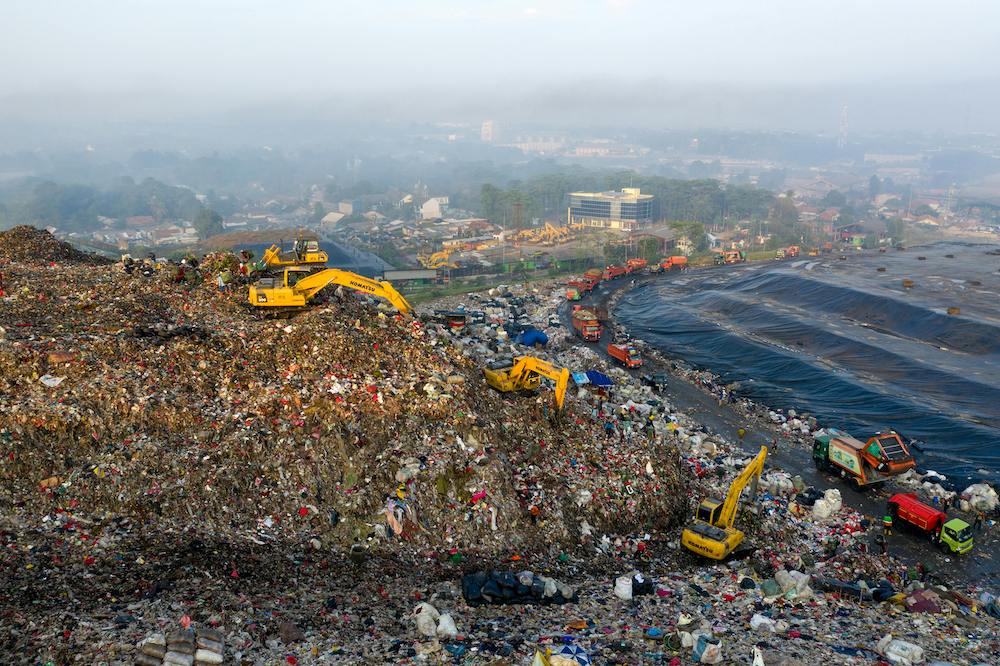
Quality roofing materials play a critical role in reducing landfill waste over time. More than 11 million tons of asphalt shingles end up in American landfills each year, much of it from roofs that fail far earlier than expected. The difference between a 15-year roof and one that lasts 30 to 50 years often comes down to material quality and installation standards.
Homeowners rarely think about their roof’s environmental footprint until replacement time rolls around. But the real sustainability decision happens during installation. Choosing durable materials now prevents multiple tear-offs later, saving both money and resources.
Why Quality Roofing Materials Reduce Landfill Waste
Every roof replacement generates significant debris. A typical tear-off produces two to four tons of discarded shingles per home. When roofs fail prematurely, that waste multiplies.
Quality roofing materials are engineered to resist UV damage, wind uplift, hail impact, and moisture intrusion. Complete Roofing contractors who know material quality can cut lifetime waste output in half through smart product selection. One 50-year roof creates far less landfill impact than two 25-year roofs installed back-to-back.
Longevity is one of the simplest and most effective forms of environmental responsibility.
How Quality Roofing Materials Improve Lifespan
Not all shingles are built the same. The internal construction determines how well they endure temperature swings, heavy storms, and prolonged sun exposure.
Premium manufacturers like GAF, CertainTeed, and Owens Corning reinforce their higher-end lines with durable fiberglass mats. These resist cracking and tearing through decades of expansion and contraction.
Weight is another indicator of durability. Basic three-tab shingles weigh roughly 200 pounds per square. Architectural shingles can weigh 300 to 350 pounds or more. That added thickness improves wind resistance and slows wear.
Heavier, reinforced shingles cost more upfront. But they frequently add 10 to 20 years of service life, significantly reducing replacement frequency.
Installation Standards That Protect Your Roof
Even the best materials fail early when installed poorly. The Environmental Protection Agency tracks construction trash patterns across the country. Roofing creates one of the biggest recyclable waste streams heading to dumps. Much of that comes from roofs failing too soon.

Precise nail placement prevents wind lift. Each shingle typically requires four to six nails positioned exactly within manufacturer guidelines. Nails driven too high or too low weaken the fastening system.
Ventilation also matters. Ridge vents working together with soffit vents maintain balanced airflow. Without proper ventilation, trapped heat accelerates shingle aging from below. Moisture buildup can rot the roof deck, forcing premature replacement.
Flashing around chimneys, skylights, and valleys must be sealed carefully. Water intrusion remains one of the most common causes of early failure.
Quality materials only deliver their full lifespan when supported by proper installation.
Choosing Quality Roofing Materials for Your Climate
Climate conditions should guide material selection. Standard shingles handle about 60 miles per hour. Impact-resistant products built for hurricanes take over 110 miles per hour.
In hot, sunny regions, lighter-colored shingles reflect more sunlight and reduce surface temperatures. Research shows lighter roofs in high-UV areas can last up to 20 percent longer due to lower heat absorption.
Cold climates require shingles designed for freeze-thaw durability. Ice and water shield membranes add critical protection in snowy areas where melting and refreezing are common.
Wind ratings are equally important. Standard shingles may resist winds around 60 miles per hour. Impact-resistant products designed for storm-prone regions can withstand 110 miles per hour or more. Choosing the right rating prevents blow-offs and unnecessary landfill waste.
Matching quality roofing materials to local weather ensures maximum longevity.
The Environmental Impact of Durable Roofing
Construction debris accounts for roughly 40 percent of solid waste in the United States. Roofing contributes heavily to that total.
When roofs fail early, waste increases. Manufacturing demand increases. Transportation emissions increase. Disposal costs increase.
By contrast, durable roofing systems reduce resource extraction, production energy, and landfill volume. Extending service life by even 10 years significantly lowers long-term environmental impact.
Professional installation may cost more upfront, but the return comes in durability and reduced waste generation. A roof that reaches its full lifespan represents both financial and environmental efficiency.
Choosing quality roofing materials is not just a construction decision. It is a long-term sustainability strategy that benefits homeowners and reduces pressure on landfills for decades.
