
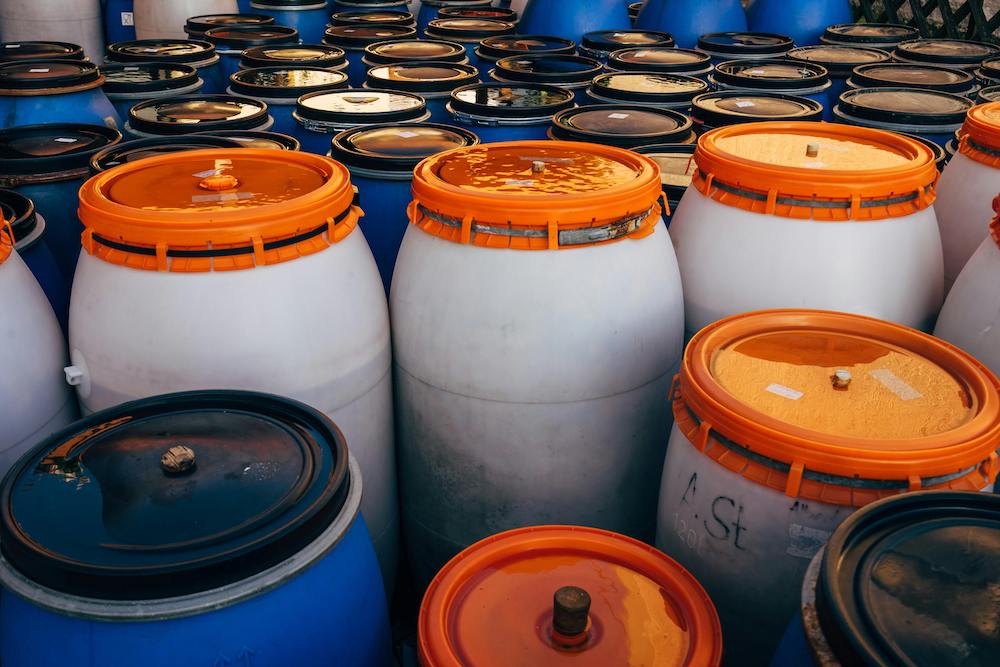
Do you ever wonder what actually happens to chemical waste? Unlike glass jars, scrap wood, or old furniture, chemical waste isn’t something that can be creatively reused or repurposed. In fact, trying to “upcycle” hazardous chemicals would create far more harm than good. Their danger lies in what they contain — which makes how they are stored just as important as how they are eventually treated or disposed of.
That’s where sustainability enters the conversation. When waste itself can’t be reused, responsibility shifts to the systems surrounding it. Smarter containment, longer-lasting materials, and modular designs are redefining what sustainable chemical waste management really looks like.
Why Chemical Waste Isn’t Upcycled — And Why Containment Matters
Upcycling is about giving materials a second life. Chemical waste, by definition, doesn’t belong in that category. It can be corrosive, toxic, flammable, or environmentally persistent. Reusing it outside of tightly controlled industrial processes risks contamination, injury, and long-term ecological damage.
Sustainability here isn’t about reuse. It’s about prevention.
Proper containment protects soil, water systems, workers, and nearby communities. It also reduces the likelihood of spills, emergency cleanups, and secondary pollution — all of which create even more waste. In the case of chemical waste, doing nothing creatively is often the most responsible choice.
Smarter Containment Systems for Chemical Waste Storage
Modern chemical waste storage has evolved far beyond basic steel drums. Today’s containment systems are designed to last longer, resist corrosion, and adapt to changing operational needs.
Advanced industrial tank solutions now feature secondary containment layers, leak-resistant linings, and materials engineered to withstand harsh chemical exposure. These systems reduce replacement frequency, which in turn lowers material consumption and manufacturing waste over time.
In other words, if chemical waste can’t be upcycled, the containers holding it must be built to endure.
Modular Storage as a Form of Industrial Upcycling
One of the most sustainable shifts in waste management is the move toward modular storage systems.
Instead of building permanent, single-use infrastructure, facilities are increasingly adopting tanks and containment pads that can be assembled, expanded, relocated, or reused across multiple projects. This approach reduces demolition waste, minimizes raw-material demand, and allows storage capacity to scale without overbuilding.
Think of it as upcycling at the systems level. The materials themselves remain in service longer, serving multiple lifecycles rather than ending up as industrial debris.
Recycled Materials Supporting Chemical Waste Containment
While chemical waste itself cannot be reused, recycled materials are playing a growing role in the structures that contain it.
Reprocessed plastics and reclaimed polymers are now used in tank linings, containment walls, and protective coatings. These materials are engineered for chemical resistance and durability, turning industrial waste streams into functional components that enhance safety.
In a study reported by LiveScience, researchers found new ways to break down PET plastic using moisture and a low‑cost catalyst.
This is where circular thinking makes sense — not by reusing hazardous substances, but by reusing materials that help keep them safely controlled.
Smart Monitoring That Reduces Risk and Waste
Technology is also reshaping how chemical waste is stored and maintained.
Modern containment systems often include sensors that monitor pressure, temperature, vapor buildup, and early signs of structural wear. By identifying problems before they escalate, facilities can perform targeted maintenance instead of full replacements or emergency interventions.
Fewer failures mean fewer cleanups. Fewer cleanups mean less secondary waste. Sustainability here comes from foresight, not reaction.
Storage Systems That Help Neutralize Risk
Some emerging storage technologies aim to do more than simply hold chemical waste. Researchers are exploring catalytic linings and absorptive polymers that can bind or reduce the toxicity of certain compounds during storage.
While still developing, these approaches reflect a broader shift toward harm reduction. Instead of waiting for waste to become dangerous, storage systems themselves may one day help stabilize it, lowering long-term environmental risk.
Designing for Extreme and High-Risk Environments
Industrial waste storage doesn’t always happen under ideal conditions. Facilities may operate in extreme temperatures, seismic zones, coastal regions, or corrosive atmospheres.
To address this, modern designs use multi-layer tanks, flexible anchoring systems, thermal-barrier coatings, and corrosion-adaptive materials. These features allow storage systems to move, expand, contract, and absorb stress without cracking or leaking.
The goal isn’t perfection. It’s resilience.
Rethinking Sustainability Around Chemical Waste
Upcycling isn’t about reusing everything. Sometimes it’s about knowing what shouldn’t be reused — and designing smarter systems around it.
When it comes to chemical waste, sustainability means long-lasting containment, modular infrastructure, recycled support materials, and proactive monitoring. It’s not flashy, but it’s deeply impactful.
By shifting focus from disposal alone to thoughtful design, industries can reduce harm, extend material lifecycles, and quietly move toward a more responsible, circular future.
