
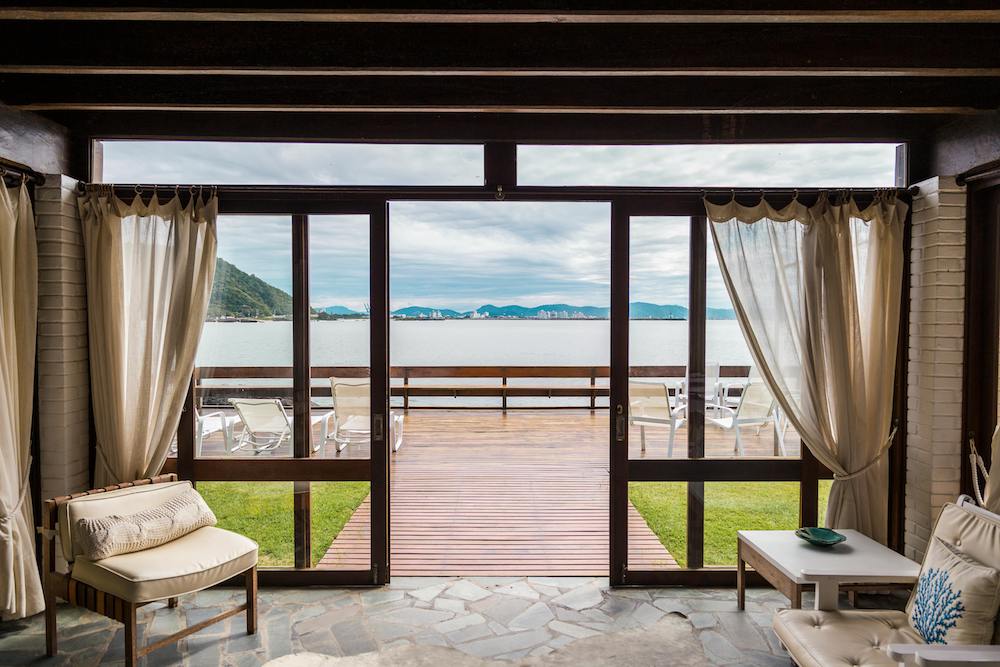
Patio upgrades are one of the most effective ways to extend living space without adding square footage. Instead of building new rooms, many homes gain far more value by reworking how existing outdoor areas connect to daily life. When patios are designed for real use rather than occasional gatherings, they begin to function like open-air rooms.
Upcycling fits naturally into patio upgrades because it focuses on transformation rather than expansion. By reusing materials and rethinking boundaries, patios become places to eat, work, relax, and gather without the cost or disruption of full construction.
What Patio Upgrades Really Mean
One of the most effective ways to extend living space is by upgrading an existing patio or creating one where it naturally belongs—without treating it as a separate project. Patio upgrades are not just surface improvements. They change how space is used. A patio becomes living space when it is easy to access, comfortable in different weather, and visually connected to the interior.
Upcycling supports this by:
- Reusing materials to define zones
- Creating semi-enclosed spaces instead of wide open slabs
- Turning unused edges into functional areas
- Softening the boundary between indoors and outdoors
The goal is not to build more new rooms, but to make more of the house count.
Why Patio Upgrades Work So Well With Upcycling
Upcycled materials bring character and flexibility to patio upgrades. Reclaimed stone, salvaged wood, and reused concrete already carry texture and variation, which helps outdoor spaces feel warmer and more intentional.
Because these materials come with size and shape limits, designs naturally become more thoughtful. Instead of forcing a uniform look, the patio adapts to what is available, often producing more interesting and functional layouts.
Using Upcycled Materials for Patio Surfaces
One of the simplest patio upgrades is improving the ground underfoot. Reclaimed pavers, broken concrete slabs, brick, or leftover stone can be laid in patterns that feel organic and durable.
Upcycling ideas for patio flooring include:
- Old sidewalk slabs reset as stepping-stone patios
- Reclaimed bricks arranged in herringbone or basketweave
- Salvaged concrete cut into modular sections
- Stone offcuts used to define walking paths
These surfaces handle weather well and give patios the sense of permanence that makes them feel like real rooms.
Patio Upgrades That Create Boundaries Without Closing Space
A patio feels larger when it has definition. Upcycled materials are ideal for building partial enclosures that create privacy and comfort without blocking light or airflow.
Creative upcycling ideas include:
- Old doors or shutters used as movable wind screens
- Reclaimed timber slats built into semi-open walls
- Salvaged metal panels for shade and privacy
- Reused windows to create light-filtering partitions
These elements allow the patio to open and close depending on weather, turning it into a flexible extension of the home.
Turning a Patio Into a True Living Zone
Patio upgrades work best when the space supports real activities. Eating, working, relaxing, and gathering all require structure, not just furniture.
Upcycled patio features that change how the space functions include:
- Built-in seating made from reclaimed lumber
- Tables or counters from salvaged doors or slabs
- Shelving from old fencing or pallet wood
- Planters built from concrete blocks or crates
Once these elements are part of the structure, the patio becomes a daily-use space rather than a seasonal extra.
How Patio Upgrades Improve Flow Between Indoors and Outdoors
The best patio upgrades reduce the feeling of separation between inside and outside. Using upcycled materials that echo interior helps visually connect the spaces for home energy upgrades.
Reclaimed wood that matches interior flooring, reused brick that complements interior walls, or metal that mirrors interior fixtures can make the patio feel like part of the home instead of an add-on.
Extending Living Space Beyond the Patio
While patios are central, surrounding outdoor areas can also be upgraded through upcycling. Side yards, narrow walkways, and unused corners can become functional when given structure and intention.
Upcycling ideas include:
- Reclaimed pergolas to add shade and definition
- Old fencing turned into vertical gardens
- Salvaged paving creating paths and seating areas
- Reused timber for outdoor storage and benches
Each addition increases usable space without formal expansion.
Comfort Is What Makes Patio Upgrades Stick
Patios only extend living space if people want to spend time there. Comfort determines that. Shade, wind protection, solid footing, and built-in seating all matter more than décor.
Upcycled materials can address these needs affordably and durably, allowing more budget to go toward making the space truly usable.
Cost Control Through Upcycled Patio Upgrades
New construction is expensive. Patio upgrades built with reused materials reduce costs while still improving function and appearance.
Savings often come from:
- Reclaimed structural materials
- Avoided demolition
- Fewer finishing requirements
- Phased upgrades instead of one large build
This makes long-term improvement accessible rather than overwhelming.
Patio Upgrades That Last
Upcycled materials have already proven their durability. When used thoughtfully, they weather in predictable, graceful ways. That longevity turns a patio upgrade into a true extension of living space rather than a temporary trend.
By focusing on climate-appropriate materials and solid installation, patios can remain useful for decades.
A More Generous Home
Patio upgrades are not about adding square footage. They are about giving a home more ways to breathe, move, and function. Through upcycling, old materials gain new purpose, and overlooked spaces become central to daily life.
The result is not a bigger house — it is a more generous one.
