
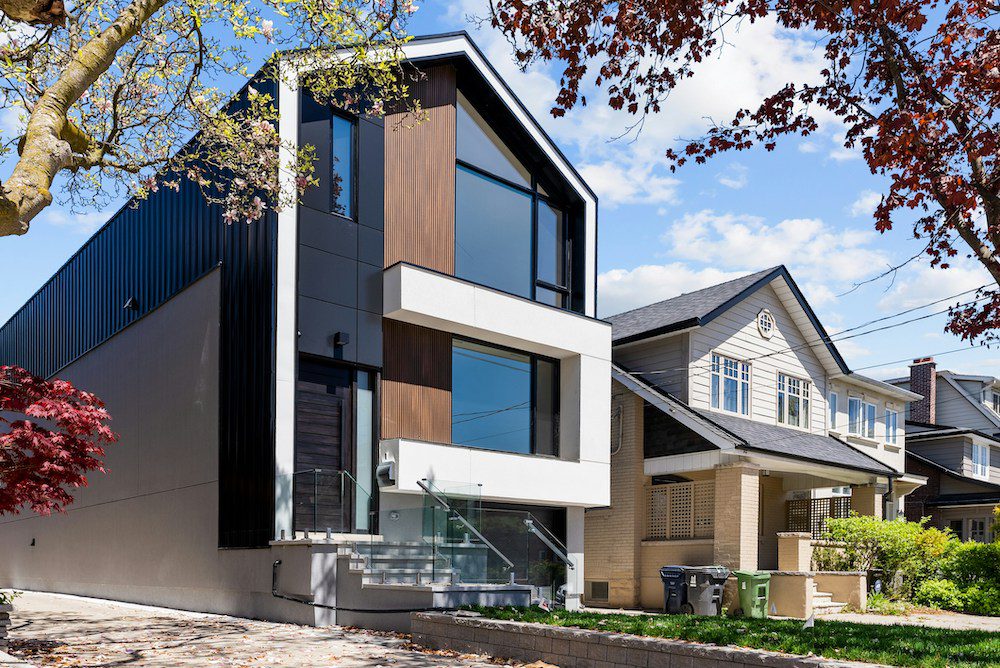
Durable home design is emerging as one of the most important shifts in modern architecture. As weather patterns intensify, lifestyles become busier, and homeowners look for ways to reduce waste, the idea of building a home that ages beautifully — without endless upkeep — is becoming a guiding design principle. Longevity is no longer simply desirable; it’s a form of sustainability.
For many years, natural timber shaped the look and feel of contemporary homes. Its warmth grounds a structure in nature and creates a softness few materials can replicate. But the realities of climate, maintenance cycles, and changing building standards have revealed a truth designers can no longer ignore: timber is beautiful, but it is demanding. It fades, warps, absorbs moisture, attracts pests, and requires regular refinishing to stay looking its best.
Durable home design offers a different path — one where the materials chosen support both the life of the home and the life of the homeowner.
Why Durable Home Design Is Moving Beyond High-Maintenance Timber
The growing shift away from high-maintenance materials isn’t a rejection of timber’s beauty, but rather an acknowledgement that modern living requires something more resilient. In many regions, intense UV exposure, humidity, or seasonal fire risk can dramatically shorten timber’s lifespan. Each of these elements accelerates the cycle of sanding, sealing, staining, or replacing boards.
Designers and homeowners alike are now drawn to materials that offer the same rich, architectural presence but with far greater stability. This shift is as much about sustainability as practicality. When a material requires constant stripping, recoating, and replacing, its environmental footprint expands far beyond the initial install. Durable alternatives reduce this cycle dramatically.
Fire Performance and Evolving Building Standards
Around the world, building regulations have increasingly emphasized fire-safe design. These standards influence exterior materials more than ever before, pushing architects to look for options that can meet stringent classifications without sacrificing aesthetics.
This doesn’t diminish timber’s timeless appeal. Instead, it expands the material vocabulary available to designers. Engineered solutions — including fibre cement, composites, and timber-look aluminium battens — allow for warm, textured façades that meet modern safety expectations without the burdens of continuous treatment.
How Durable Home Design Reduces Whole-Life Maintenance Costs
Maintenance is often the hidden cost of homeownership. A façade that looks inexpensive or simple at first glance may prove far more costly over the next decade. Timber is one of the clearest examples of this gap between installation cost and lifetime effort.
To keep its rich colour and structural integrity, natural wood demands constant attention. In some climates, this means annual refinishing; in others, humidity or pests force partial replacement. Over time, the sum of coatings, labour, water use, and discarded timber adds significantly to both financial and environmental costs.
Durable home design flips the narrative. When materials are chosen for stability and longevity, they require dramatically fewer interventions. The result is a home that remains consistent, elegant, and efficient for much longer — a win for both the homeowner and the planet.
The Rise of Long-Life Exterior Materials in Modern Architecture
As architects focus more intentionally on longevity, they are embracing materials engineered for performance. These systems are no longer merely “timber alternatives.” Instead, they offer design advantages of their own.
High-quality exterior solutions maintain colour much longer than natural timber exposed to sun or moisture. They resist warping, cracking, and decay. And they allow designers to achieve effects that would be difficult with wood alone — long, continuous battens, sculptural curves, clean shadow lines, or lightweight profiles that reduce structural demands. If you’re evaluating finishes from house and land packages, ask your builder which timber-look systems are offered as upgrades.
What started as a practical shift has evolved into a genuine design movement: one that prioritizes aesthetics and endurance.
Durable Home Design and the Shift Toward Circular Materials
Longevity and circularity naturally overlap. A material that lasts forty years without intervention prevents waste simply by existing. A material that can be recycled multiple times without degrading contributes even more.
Aluminium is a strong example of this principle. It can be melted down and reused indefinitely, retaining its structural quality. Even though its initial production energy may be higher than timber, its extended lifespan and recyclability make it a compelling choice within circular design frameworks.
Designers are increasingly considering not just how a material looks today, but how it behaves decades from now — and what happens when the building eventually reaches the end of its life.
Timber vs Timber-Look Systems: A Lifecycle Lens
When viewed through the lens of lifecycle impact, the differences between natural timber and durable engineered materials become clearer.
Timber provides warmth, authenticity, and charm, but it is sensitive to its environment and must be carefully maintained to preserve its appearance. Engineered or timber-look systems, however, offer greater stability, consistent grain patterns, reduced maintenance, and strong fire performance.
Both have roles in contemporary architecture — but they serve different needs. Durable home design simply helps homeowners and designers choose more intentionally.
How Durable Home Design Supports Better Everyday Living
A home that ages well enhances the life lived within it. Durable materials support a more relaxed, satisfying relationship with one’s space. They allow homeowners to spend less time on repairs and more time enjoying their environments.
A façade that stays rich in colour year after year, a ceiling that doesn’t require recoating, or a garage door that doesn’t strain its motor — each of these details contributes to a lifestyle with fewer interruptions and lower long-term costs. Durability becomes a form of ease.
Practical Ways to Apply Long-Life Materials in Your Home
Durable materials are appearing in a range of contemporary design applications, allowing homeowners to build creative, low-maintenance spaces. They are being used in privacy screens that maintain airflow, soffits that blur indoor–outdoor transitions, feature walls that hold their shape over time, and architectural curves that remain smooth without warping.
Before committing to any system, it’s useful to review fire ratings, examine sample finishes in natural light, and check whether warranties cover appearance as well as structure. These small steps ensure that the chosen material performs as beautifully as it looks.
Durable Home Design Principles for Smarter Material Selection
A longevity-focused approach encourages homeowners to look past trend cycles and toward future-proofing. When selecting materials, consider whether the finish will hold its colour, whether the material can be recycled, and how often it will require intervention. Think not just about installation, but about the next 5, 10, or 20 years.
For projects requiring the warmth of timber but necessitating non-combustible, low-maintenance finishes, consider timber look aluminium battens. These systems, with a timber-effect in aluminum, have been designed to replicate natural grain while meeting external application compliance.
Durability isn’t about perfection. It’s about creating a home that remains resilient, elegant, and environmentally responsible over time.
The Future of Homes Built Through Durable Home Design
Homes designed to age well signal a deeper cultural shift away from disposable building practices. As climate demands rise and homeowners seek smarter long-term investments, durable home design offers a pathway to structures that remain beautiful without constant correction.
The homes of the future won’t just look good on day one — they will continue to thrive through the years, offering comfort, efficiency, and a lighter environmental footprint.
